Apparel · the comparison, decided

Lookbook vs product photography, and which one your brand actually needs.

The lookbook vs product photography question almost always shows up wearing a budget. A founder has one number for imagery and two instincts pulling at it — shoot the beautiful styled story that makes the brand feel like a brand, or shoot the clean accurate frames that actually let someone buy. They are not the same job. Product photography exists to make the garment legible and trustworthy enough to add to cart: the true colour, the cut, the back yoke, the hem, shot so the return rate stays low. Lookbook photography exists to make the brand desirable: the same garment placed inside a world, a season and a styling story so the customer wants to be the person who wears it. One answers can I trust this. The other answers do I want this. Most apparel brands need both — the trap is over-shooting one and starving the other.

By Abhi Chawla, founder · Last updated: 2026-06-19

Campaign reference

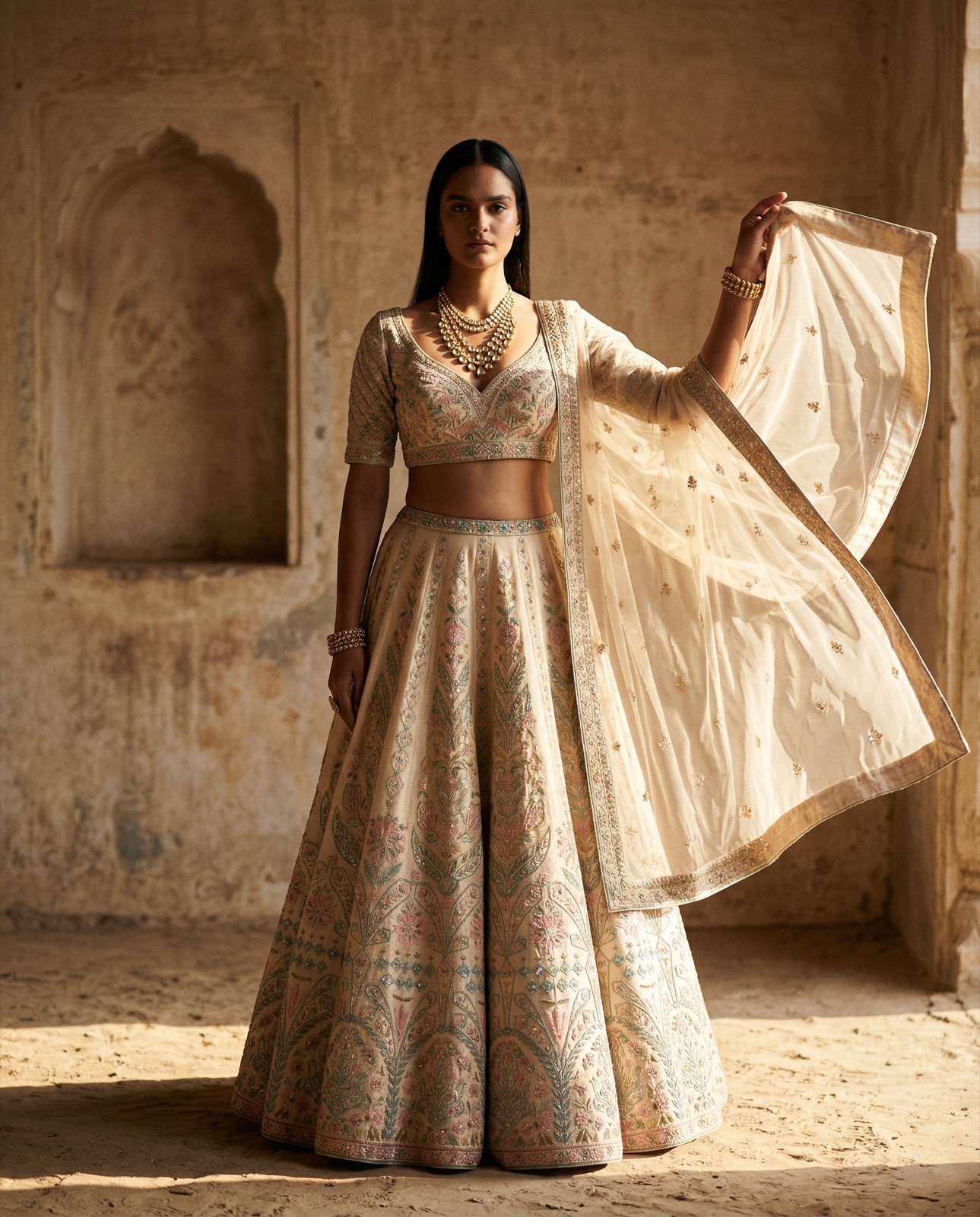
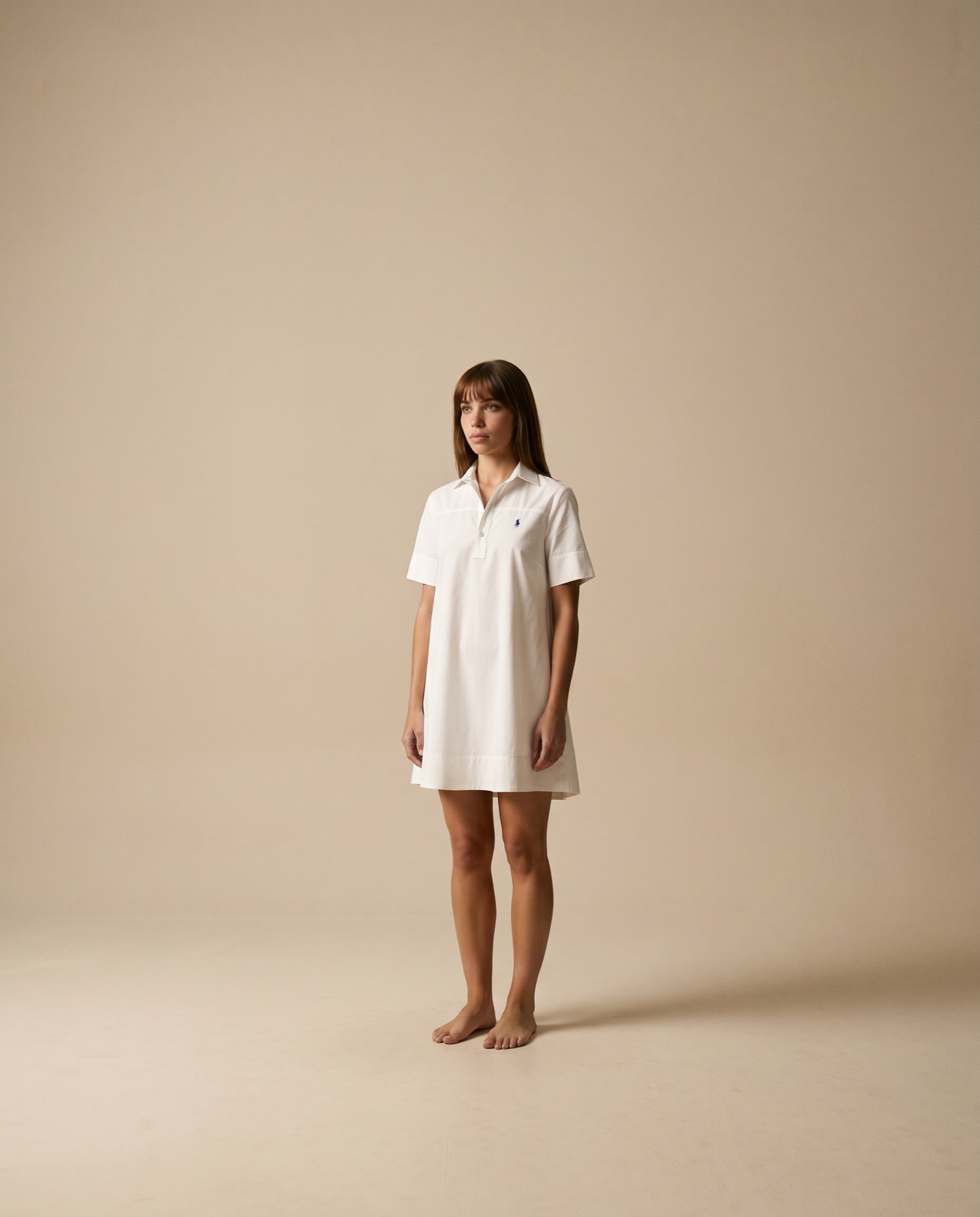
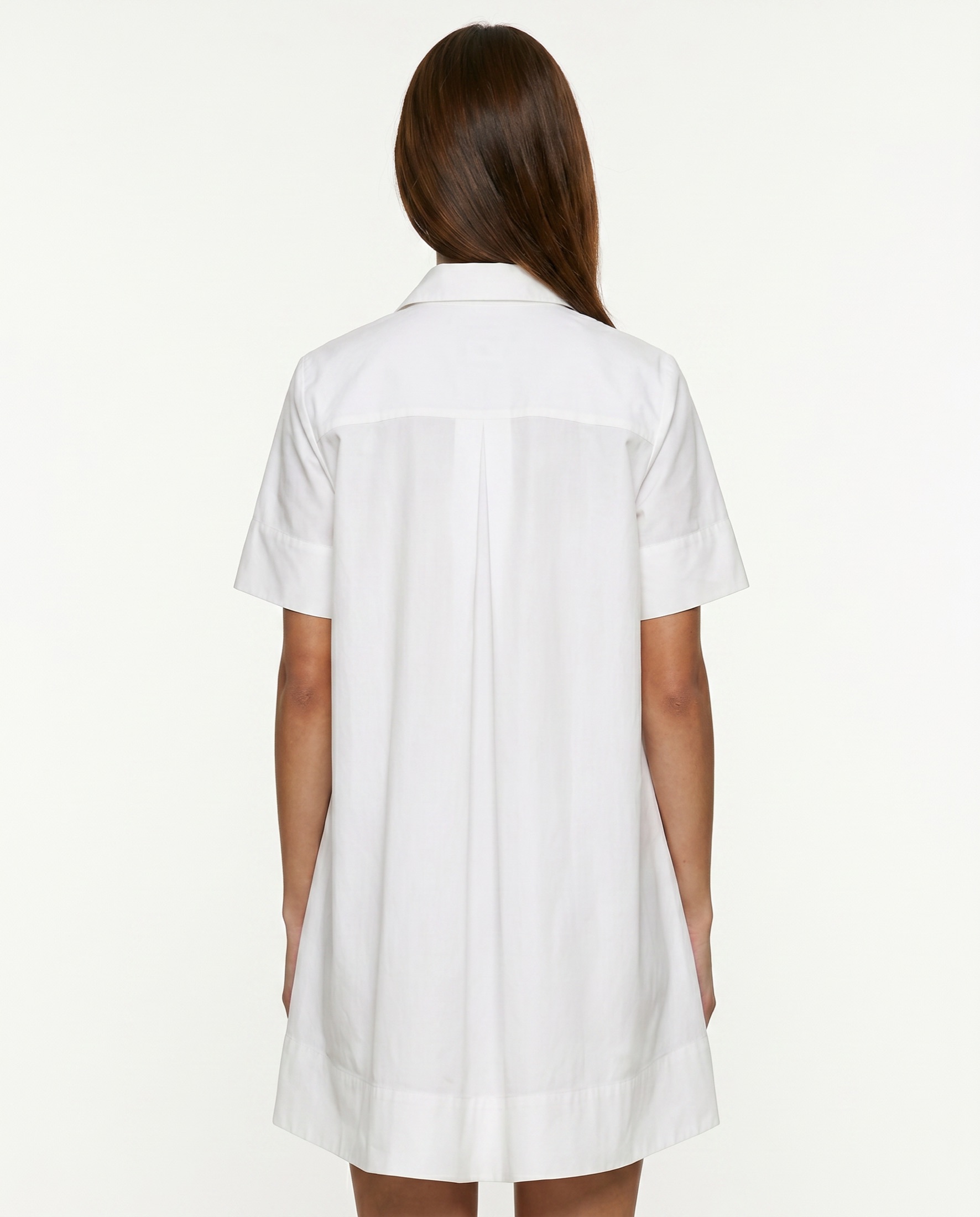
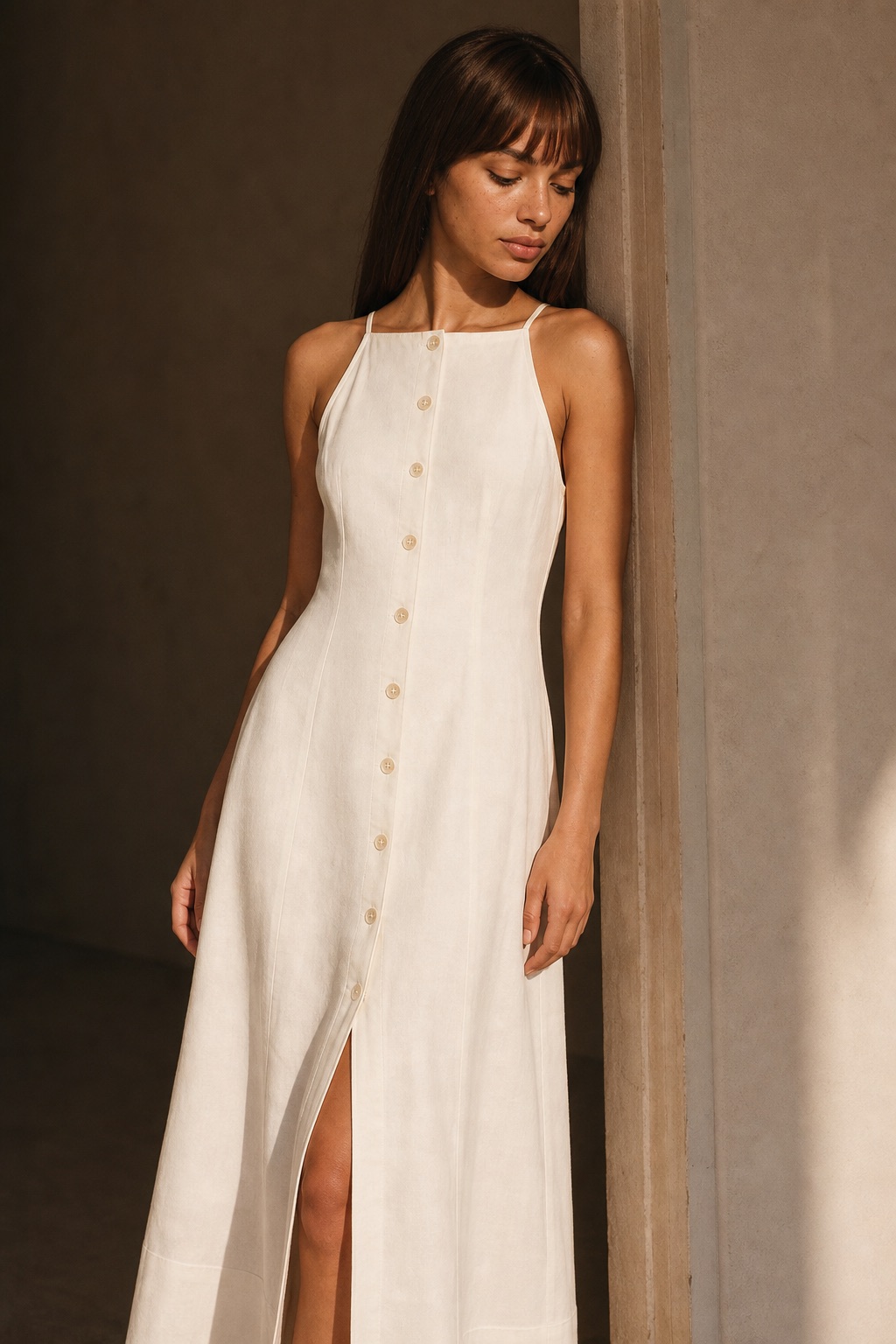
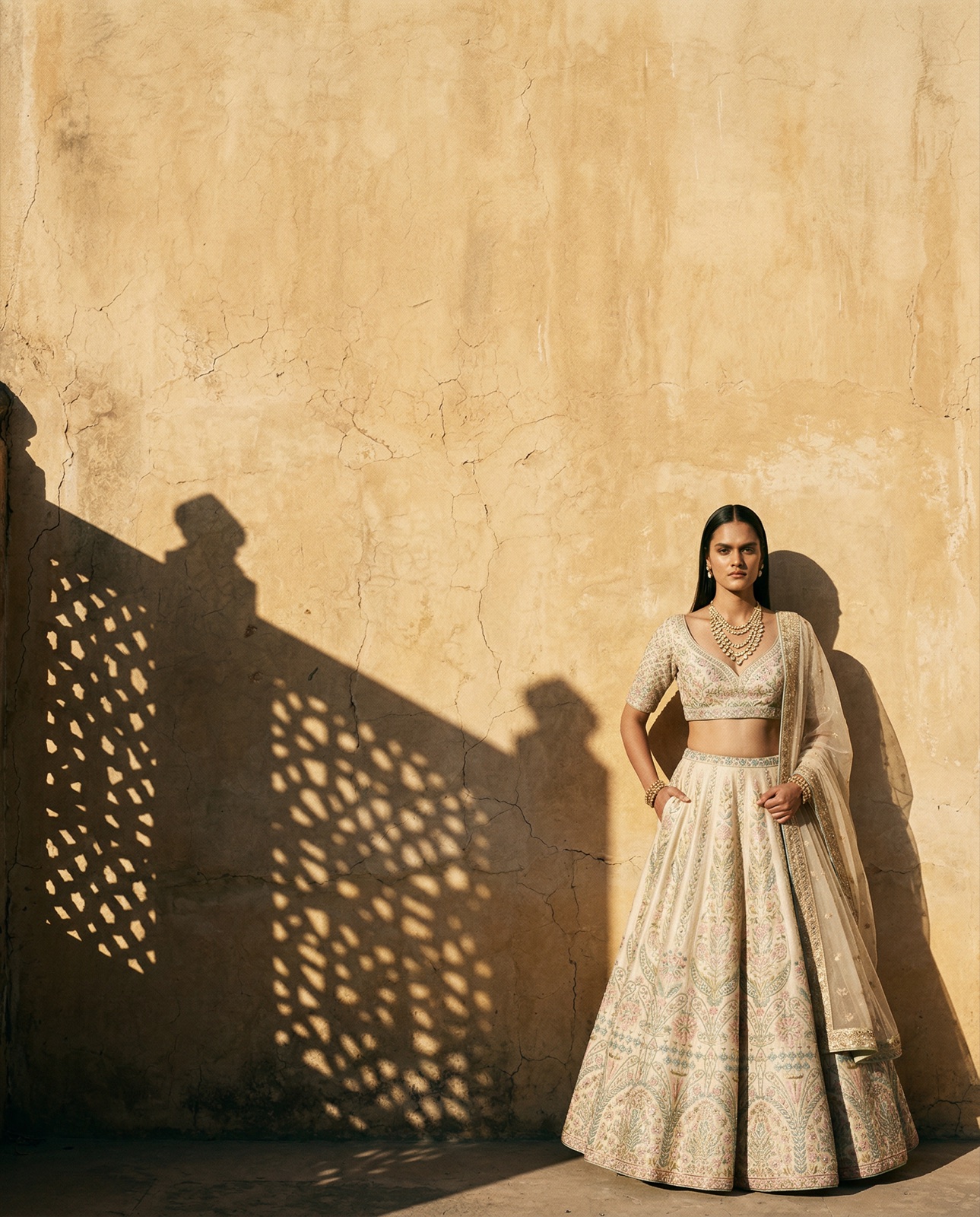
The same season, two jobs — the lookbook frame and the product frame.

When a founder asks for a “shoot,” they are usually asking for two different things.

A founder messages on a Thursday with a folder of inspiration. It is all lookbook — Aritzia summer editorial, a Ralph Lauren rainforest frame, a Veronica Beard coastal spread, golden light and movement and atmosphere. The drop launches in five weeks and the PDP is empty. What the founder has briefed is the demand layer. What the launch actually fails without is the conversion layer. This is the most common version of the lookbook vs product photography confusion, and it is expensive in both directions: a brand that shoots only the styled story has nothing accurate to put on the product page, and a brand that shoots only flat product frames has a feed that reads like a marketplace listing and never earns a brand premium.

The cleanest way to separate them is by the job the image is hired to do. Product photography is hired to make the garment buyable. The customer is already on the PDP; they have intent; the only question left is can they trust what they are seeing. The frame has to be Pantone-accurate so the colour on screen matches the colour in the box, complete across the angles that matter — front, back, the detail of a closure or a hem — and clean enough that the eye reads the cut without distraction. Ralph Lauren shoots a white polo shirtdress on a seamless warm-beige backdrop, then shoots the same dress from the back to show the collar, yoke and hem, because the back frame is the one that stops the return. That is a conversion asset, not a brand asset.

Lookbook photography is hired to make the brand wanted. The customer is on the feed, on the campaign page, flipping the seasonal PDF — they have no intent yet, and the frame's job is to create it. That means art direction, location or a built set, full styling, directional light and a casting register that signals the price point before a single price loads. Anita Dongre shoots a bride in an ivory embroidered lehenga before a sandstone palace arch because the frame is selling the occasion, the heritage and the world, not the SKU. The buyer-intent question of how to fund and sequence both from one budget is the subject of the companion piece on product photography vs lookbook and what to shoot first; this page is about telling them apart and deciding which your brand needs now.

What product photography is — and the line where it stops working.

Product photography is the family of frames whose only contract is accuracy. The classic is the on-white or off-white still: the garment on a seamless, lit high-key and even, no shadow drama, shot true to colour so the merchandising team can stand behind the screen-to-box match. Then the on-model variant: the same garment on a body against a clean controlled backdrop, neutral posing, even light, there to show drape and fit rather than to tell a story. Then the support frames — the back, the side, the closure, the fabric-in-hand detail, the size-comparison and scale frames. None of these are trying to be beautiful in the editorial sense. They are trying to be true.

The economics of product photography are the economics of repetition. Because the setup is fixed — same light, same backdrop, same camera position — a studio can move eighty SKUs through it in a day, which is why product frames land at roughly forty to a hundred and fifty dollars each on a traditional model and far less at volume. The frame that matters most and gets shot last is the back-and-detail coverage; brands that skip it to save shoot hours pay for it in returns, because the customer who could not see the back guessed wrong about the fit. Marketplace and wholesale make this non-negotiable: a wholesale linesheet and on-figure product set is what a retail buyer evaluates before writing the order, and an incomplete or colour-drifted product frame reads as an amateur line.

Product photography stops working at the exact point the brand needs to be wanted rather than trusted. A feed of clean product-on-white frames converts the customer who already arrived, but it does nothing to make a new customer arrive, and it actively flattens the brand into a commodity the customer will happily buy cheaper elsewhere. The moment the goal shifts from show the garment accurately to make someone choose this brand, product photography hands off to the lookbook. Knowing where that line sits per channel is most of the decision.

What a lookbook is — and the line where it stops being honest.

A lookbook is the styled, art-directed body of imagery that sells the season as a world. Historically it was the literal book the brand sent to press and stockists — the styled spread, the hero looks, the editorial sequence that told a buyer what the season was about before they saw a single linesheet. Today it lives in more places than the book: the campaign landing page, the seasonal PDF, the Instagram grid, the Pinterest board, the email hero, the wholesale deck cover. But the contract is unchanged. Every lookbook frame is composed against a brand world — a palette, a light direction, a casting register, a set of named environments and a negative-space discipline — so that twelve to thirty frames read as one coherent season rather than thirty unrelated photos.

The economics of the lookbook are the economics of composition, not repetition. Each frame is built — location or set, stylist, art direction, casting that carries the price point — so usable frames land at four hundred to twelve hundred dollars each on the traditional model, and a season's lookbook is a project, not a production line. That is also why the lookbook scales with the story rather than the catalog: a brand does not shoot all forty colourways as lookbook frames, it shoots the twelve to thirty looks that carry the narrative, the hero pieces and the styling logic. The relationship between the lookbook and the bigger campaign moment is laid out in the guide to planning a fashion campaign shoot, where the lookbook is one output of a brief that also has to feed PDP and paid.

The lookbook stops being honest the moment it flatters the garment past what the customer receives. Editorial light, aggressive styling and clever cropping can make a fabric read richer, a fit read cleaner and a colour read deeper than the real thing — and when the lookbook frame is the only frame on the PDP, the gap between the styled image and the box is where returns and one-star reviews come from. This is the discipline a brand-world studio enforces by composing both the lookbook and the product frame against the same real garment: the lookbook is allowed to make the brand desirable, but the product frame keeps it accurate, and the two are never allowed to disagree about what the customer is buying.

Three ways apparel brands get the lookbook vs product split wrong.

Failure A

Lookbook-only, empty PDP

The brand shoots a gorgeous styled season — location, casting, golden light — and puts the editorial frames straight onto the product page because there is nothing else to put there. Add-to-cart looks fine; return rate climbs because the customer cannot see the true colour, the back or the fit, and guessed. The styled frame was never built to be accurate. This is the most expensive version of the confusion: the brand paid lookbook prices and still does not have a conversion asset. The fix is not a re-shoot of the story — it is a fast, accurate product pass against the same garments.

Failure B

Product-only, commodity feed

The brand shoots clean, accurate product-on-white for every SKU, fills the PDP, fills the feed with the same frames cropped square, and cannot understand why it competes only on price. Product-only reads as catalog, and catalog reads as commodity. There is no world for the customer to want into, so the customer comps the price against the next listing and buys whichever is cheaper. The conversion layer is healthy and the demand layer does not exist. The fix is a small, sharp lookbook — twelve to twenty hero looks — to give the brand a reason to be chosen, not just bought.

The right split

Both, scoped to the job

Product photography scaled to the catalog — front, back and detail per selling SKU, four to eight frames each, on the PDP, the linesheet and the shopping feed. Lookbook scaled to the story — twelve to thirty hero looks against the brand world, on the campaign page, the deck cover, the grid and the email hero. The customer meets the lookbook on the feed and confirms on the PDP. A brand-world studio composes both against one locked brand spine and one real garment, so the demand frame and the conversion frame never disagree — and ships both at a fraction of the traditional per-frame cost.

The same season on two surfaces — demand and conversion.

The clearest way to decide what to shoot is to map the surfaces, not the images. Product photography belongs everywhere the buying decision actually happens: the PDP gallery, the size-and-fit module, the marketplace listing, the Google Shopping feed, the wholesale linesheet a retail buyer scrolls before writing an order. These surfaces reward completeness and accuracy and punish ambiguity — a missing back frame or a colour that drifts two shades is a return waiting to happen. The back-and-detail coverage that feels optional on a tight shoot day is the single highest-leverage product spend a brand makes, because it converts the same traffic at a lower return rate.

Lookbook photography belongs everywhere the brand decision happens before intent exists: the campaign landing page, the seasonal lookbook PDF, the wholesale deck cover, the Instagram grid and Pinterest board, the email hero, the press kit. These surfaces reward a coherent world and punish inconsistency — twelve frames that read as one season build a brand, twelve frames that read as twelve different brands build nothing. The customer's path runs across both: she meets the brand through a lookbook frame on the feed, follows it to the campaign page, then lands on the PDP where the product frame closes the trust gap and she buys. Cut either surface and the path breaks somewhere the analytics will not name clearly.

Volume per season follows the surface. Product photography scales with the SKU count — every variant that sells needs front, back and detail, often four to eight frames once on-model and size coverage are included, so a forty-SKU drop can need two hundred-plus product frames. Lookbook scales with the story — twelve to thirty hero looks covering the strongest pieces and the styling narrative, not every colourway. The ratio tilts heavily toward product on a catalog-deep line and toward lookbook on a brand-building budget. Getting the ratio right is the practical core of the decision, and the season-sequencing version of it — one shoot, both outputs, how to split the budget — is the buyer-intent companion on product photography vs lookbook and what to shoot first.

01

The PDP is empty

If you have inventory to sell and product pages with placeholder or borrowed imagery, product photography comes first. Nothing converts without an accurate, complete frame per SKU — front, back, detail, true colour. The lookbook is the layer you add once the conversion layer exists, not the layer you launch on.

02

You are competing on price

If margin is eroding and the feed reads like a marketplace listing, you have a demand problem, not a conversion problem. A product-only brand competes on price because there is no world to want into. A sharp lookbook is the lever that lets you charge a brand premium instead of a commodity price.

03

Returns are climbing

A rising return rate usually means the product frames are incomplete or inaccurate — no back shot, no detail, a colour that drifts from the box. That is a product-photography fix, not a lookbook one. Add the returns-reducing angles before you spend another dollar on the styled story.

04

A wholesale market is coming

A buyer appointment needs both, in sequence: the lookbook deck cover and hero looks to sell the season's story, and the accurate linesheet product frames the buyer evaluates before writing the order. The deck wins the meeting; the linesheet wins the order. Skimp on either and the order shrinks.

05

The feed has gone flat

If the grid is all product-on-white cropped square, the brand reads as catalog and the save-rate is low. Lookbook frames are what earn the save, the follow and the brand premium. The product frames keep working on the PDP; the feed needs the demand layer the lookbook provides.

06

You can only afford one shoot

Then plan one shoot to deliver both. The garment is steamed and on the model once; a shot list designed up front can pull the clean product frame, the on-model PDP frame and the styled lookbook frame from the same setup — but only if product is scheduled with full light, not left to the tired end of the day.

How styling, light and cost actually differ frame by frame.

Hold the same garment in both worlds and the differences become concrete. In the product frame the light is flat, even and colour-true — typically high-key on seamless, or a controlled on-model setup with soft frontal fill — because any drama in the light is a lie about the colour. Styling is minimal, the pose is neutral, the crop is generous so the customer reads the full cut, and the garment is steamed to within an inch of its life because every wrinkle reads as a defect on a white background. The whole apparatus is built to remove the photographer's opinion from the frame. Ralph Lauren's white shirtdress on warm-beige seamless, front and back, is exactly this discipline: nothing to interpret, everything to verify.

In the lookbook frame, the photographer's opinion is the product. Light is directional and atmospheric — golden-hour, window-raking, the single shaft of daylight in a dark palace hall — because mood is the job. Styling is full: layering, accessories, the way the dupatta is held or the slit falls. The set is a location or a built environment that carries the brand world, and the casting register signals the price point before any number loads. Veronica Beard's ivory linen maxi against a warm plaster column is doing none of the verification work the product frame does and all of the desire work the product frame cannot.

The cost gap follows directly from the difference between repetition and composition. Product frames are repeatable, so they amortise — forty to a hundred and fifty dollars each traditionally, less at volume. Lookbook frames are composed one at a time, so they do not — four hundred to twelve hundred each on the traditional model. This is the real reason brands under-shoot one or the other: the product line looks cheap so it gets cut to save a shoot hour, and the lookbook line looks expensive so it gets cut to save the budget. A brand-world studio collapses both costs by composing against a locked brand spine and the real garment — the accuracy of the product pass and the art direction of the lookbook, at roughly a fifth of the traditional per-frame number and a fraction of the timeline. The garment stays the ground truth in both.

Lookbook vs product photography · frequent questions

What is the difference between lookbook vs product photography?

Product photography exists to make the garment legible and accurate enough to buy — the white-background or on-model PDP frame that shows the true colour, the cut, the back yoke, the hem length, the fabric weight, so the customer adds to cart and does not return it. Lookbook photography exists to make the brand desirable and to sell the look — the styled, in-context, art-directed frame that puts the same garment inside a world, a season and a styling story so the customer wants the brand, not just the SKU. Product photography answers can I trust this. Lookbook answers do I want to be the person who wears this. Most apparel brands need both, doing two different jobs in two different places.

Which do I need first, a lookbook or product photography?

If you are selling — a live PDP, a wholesale linesheet, a marketplace listing — you need product photography first, because nothing converts without an accurate, complete, on-white-or-on-model frame per SKU. The lookbook is the demand layer that comes once the conversion layer exists. The exception is a launch or a wholesale market appointment, where the lookbook does the heavy lifting of selling the season's story to a buyer who has not seen the brand before. The honest sequence for a new label: product photography to be buyable, then a lookbook to be wanted. The buyer-intent companion piece on how to budget and sequence both from a single shoot is covered separately.

Can one shoot produce both lookbook and product photography?

Yes, and it is the single biggest cost saving available to an apparel brand, but only if it is planned that way from the brief. The garment is steamed, fitted and on the model once. From that setup you can pull the clean product frame, the on-model PDP frame, the styled lookbook frame and the cropped detail still — provided the shot list, the lighting plan and the set were designed to deliver all of them in sequence rather than treating product as an afterthought at the end of a tired shoot day. The failure mode is shooting the lookbook beautifully, running out of light, and shipping rushed product frames that drive returns.

Where does each type of image actually get used?

Product photography lives where the buying decision happens: the PDP gallery, the wholesale linesheet, the marketplace listing, the Google Shopping feed, the size-and-fit module, the returns-reducing back-and-detail frames. Lookbook photography lives where the brand decision happens: the campaign landing page, the seasonal lookbook PDF, the wholesale deck cover, the Instagram grid, the Pinterest board, the email hero, the press kit. The same season, two surfaces. The customer meets the lookbook on the feed and confirms the purchase on the PDP.

How do lookbook and product photography differ in styling, lighting and cost?

Product photography uses flat, even, colour-accurate lighting — usually high-key on seamless or a controlled on-model setup — minimal styling, neutral posing, and the garment shown true to Pantone. It is cheaper per frame because it is repeatable: a brand can shoot eighty SKUs against the same setup in a day. Lookbook photography uses directional, atmospheric light, full styling, location or built sets, art direction and a casting register that carries the brand. It costs far more per usable frame because each one is composed, not repeated. A product frame might cost forty to a hundred and fifty dollars; a lookbook frame, four hundred to twelve hundred on the traditional model.

Do I need a lookbook if I only sell direct-to-consumer online?

You can survive on product photography alone, but you will compete on price, because product-only feeds read as catalog and catalog reads as commodity. The lookbook is what lets a DTC brand charge a brand premium rather than a marketplace price. It is the layer that makes the customer save the post, follow the account and pay the higher number. If margin and brand are part of the plan, the lookbook is not optional for DTC; it is the reason the customer chooses you over the cheaper SKU three listings down.

How many of each do I need per season?

Product photography scales with the SKU count: every variant that sells needs at least a front, a back and a detail frame, often four to eight frames per SKU once on-model and size-range coverage is included. Lookbook photography scales with the story, not the catalog: twelve to thirty hero looks per season is typical, covering the strongest pieces and the styling narrative rather than every colourway. A forty-SKU drop might need two hundred-plus product frames and twenty lookbook frames. The ratio tilts heavily toward product on volume and toward lookbook on brand-building budget.

Will using AI for product and lookbook photography hurt accuracy?

Not when the garment is the ground truth. The product frame has to be Pantone-accurate, true to cut and complete on every angle, because an inaccurate PDP frame drives returns and chargebacks. A brand-world studio composes both the product and the lookbook frame against the real garment and a locked brand-spine document, so the colour, the cut and the fabric read true on the conversion frame and the styling reads on-brand on the demand frame. The discipline is the same one a careful traditional studio uses; the cost and speed are not.

Decide the mix

Send us the drop. We will tell you what to shoot.

If you are staring at one imagery budget and two instincts — the styled lookbook that makes the brand feel like a brand, and the accurate product frames that let someone actually buy — bring us the line. We will tell you the split: how many product frames the catalog needs, how many lookbook looks the story needs, and how to pull both from one setup against a locked brand spine so the demand frame and the conversion frame never disagree. Send the drop and we will reply with a plan — abhi@paperkites.co.

Talk through your shot mix