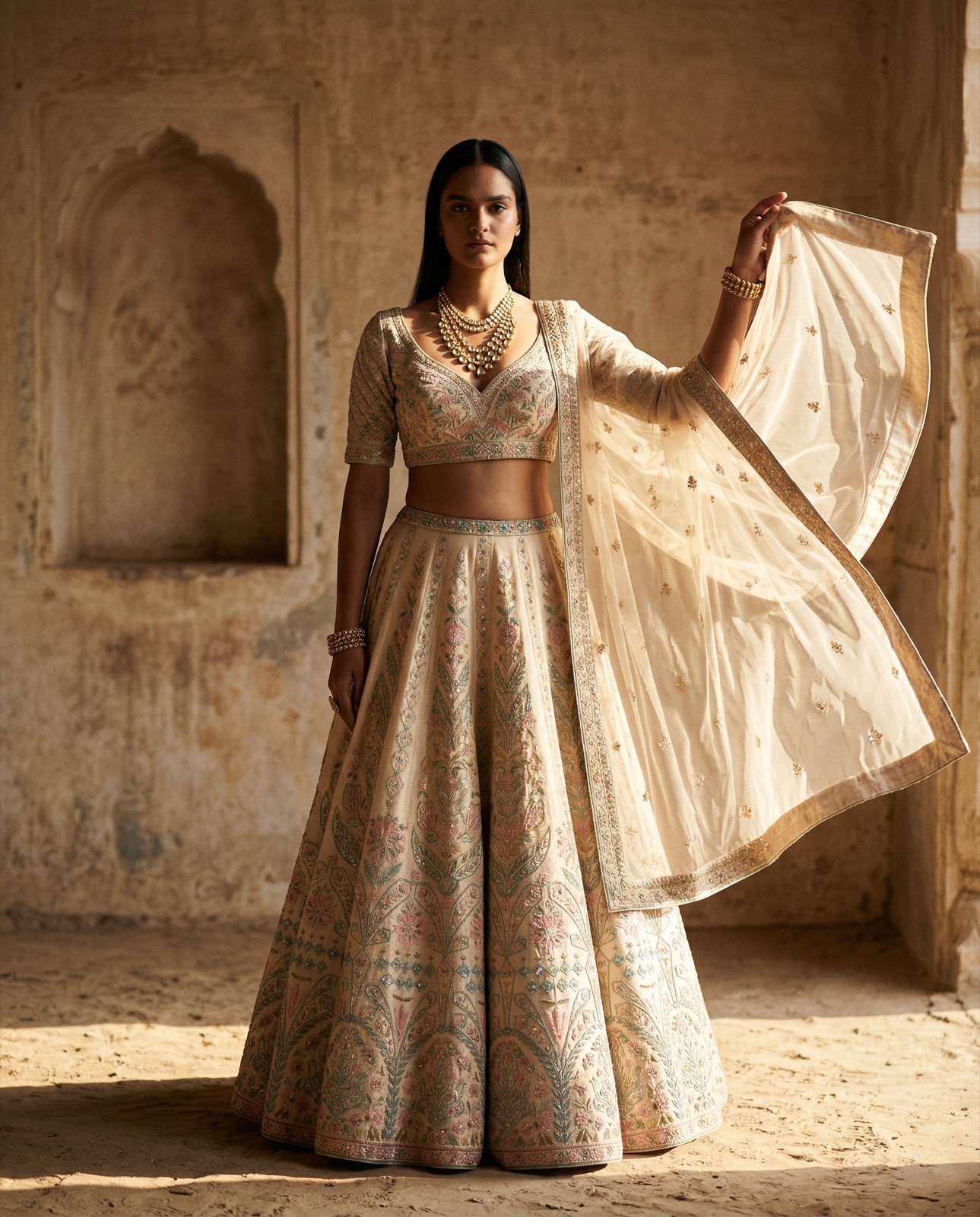
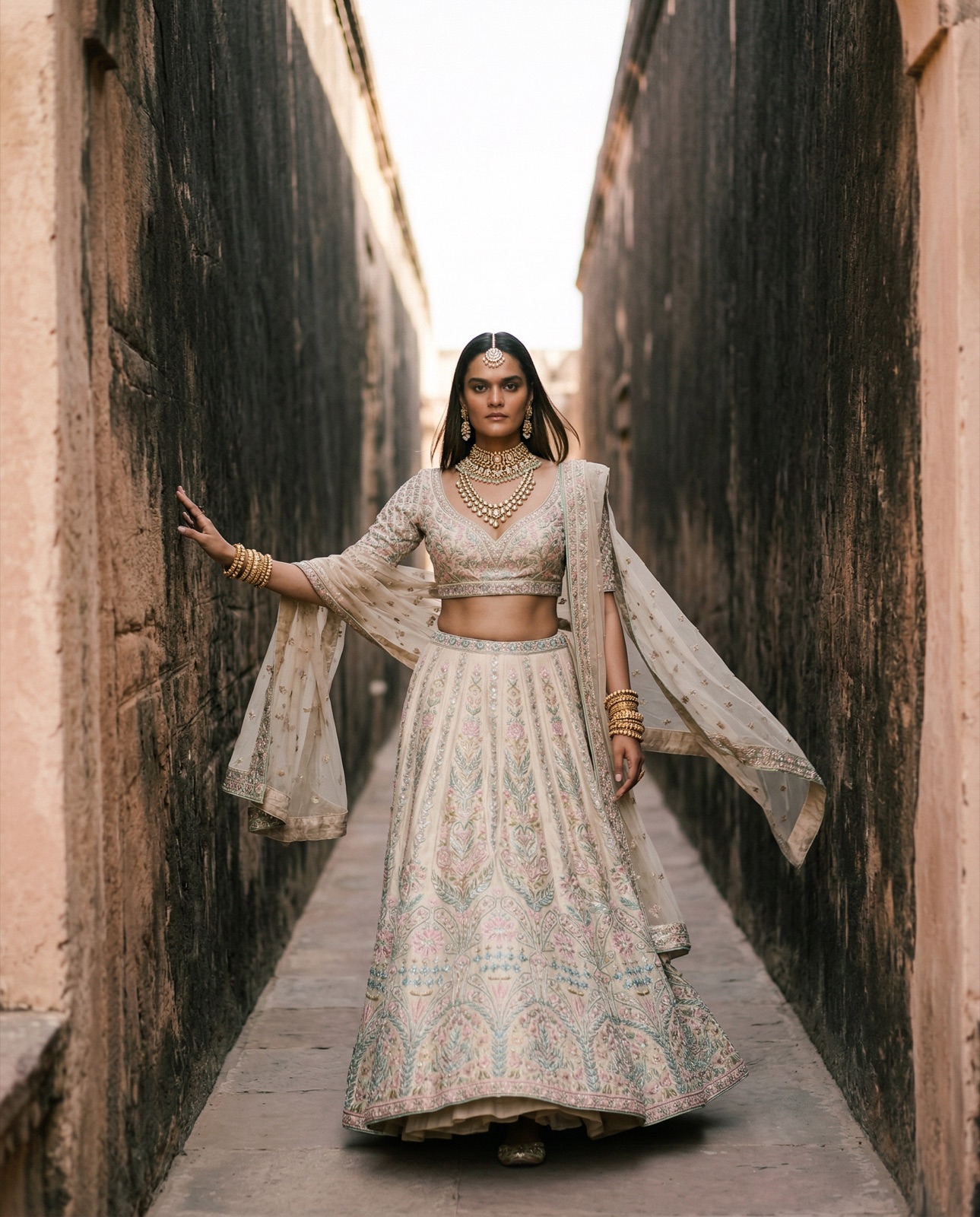
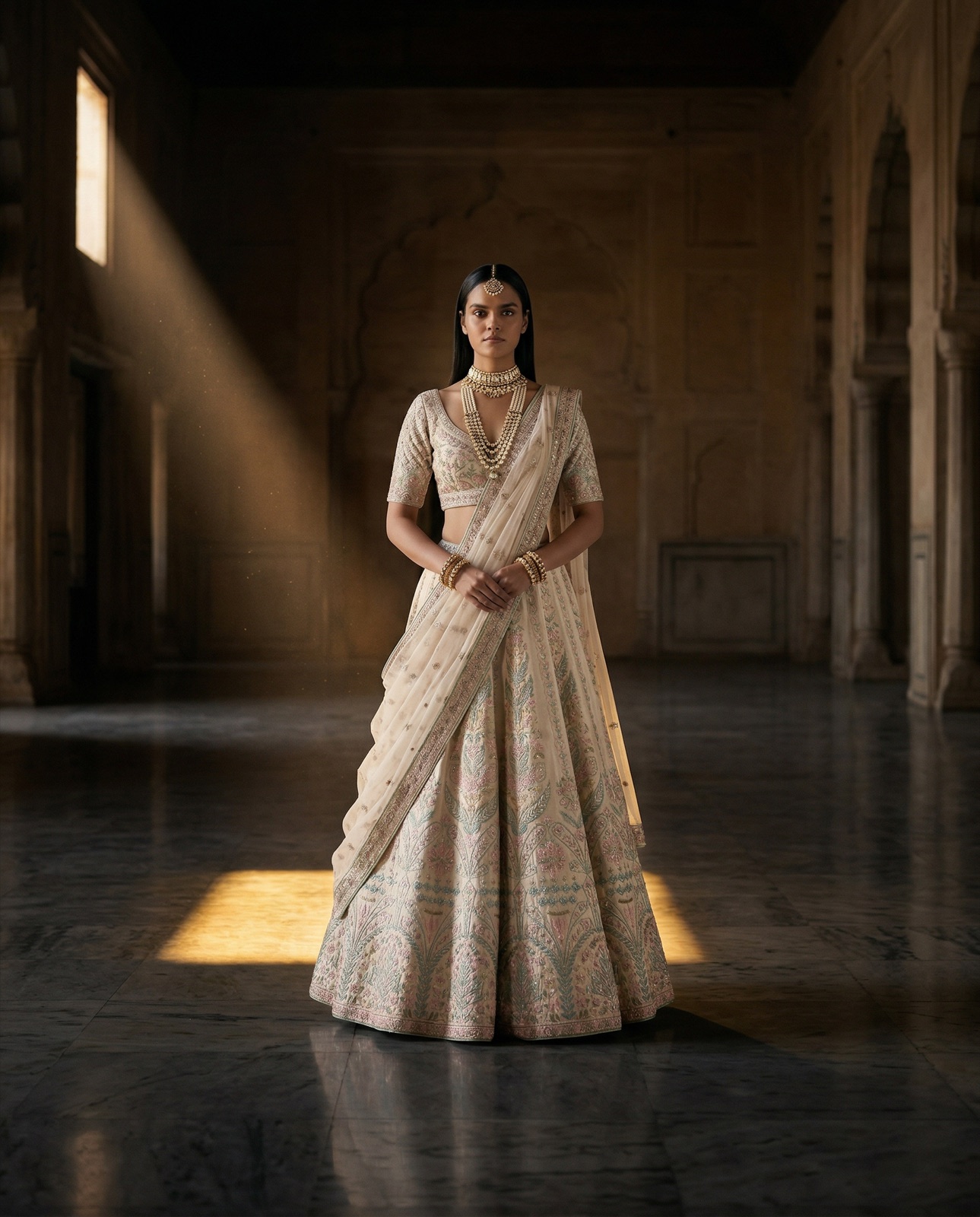
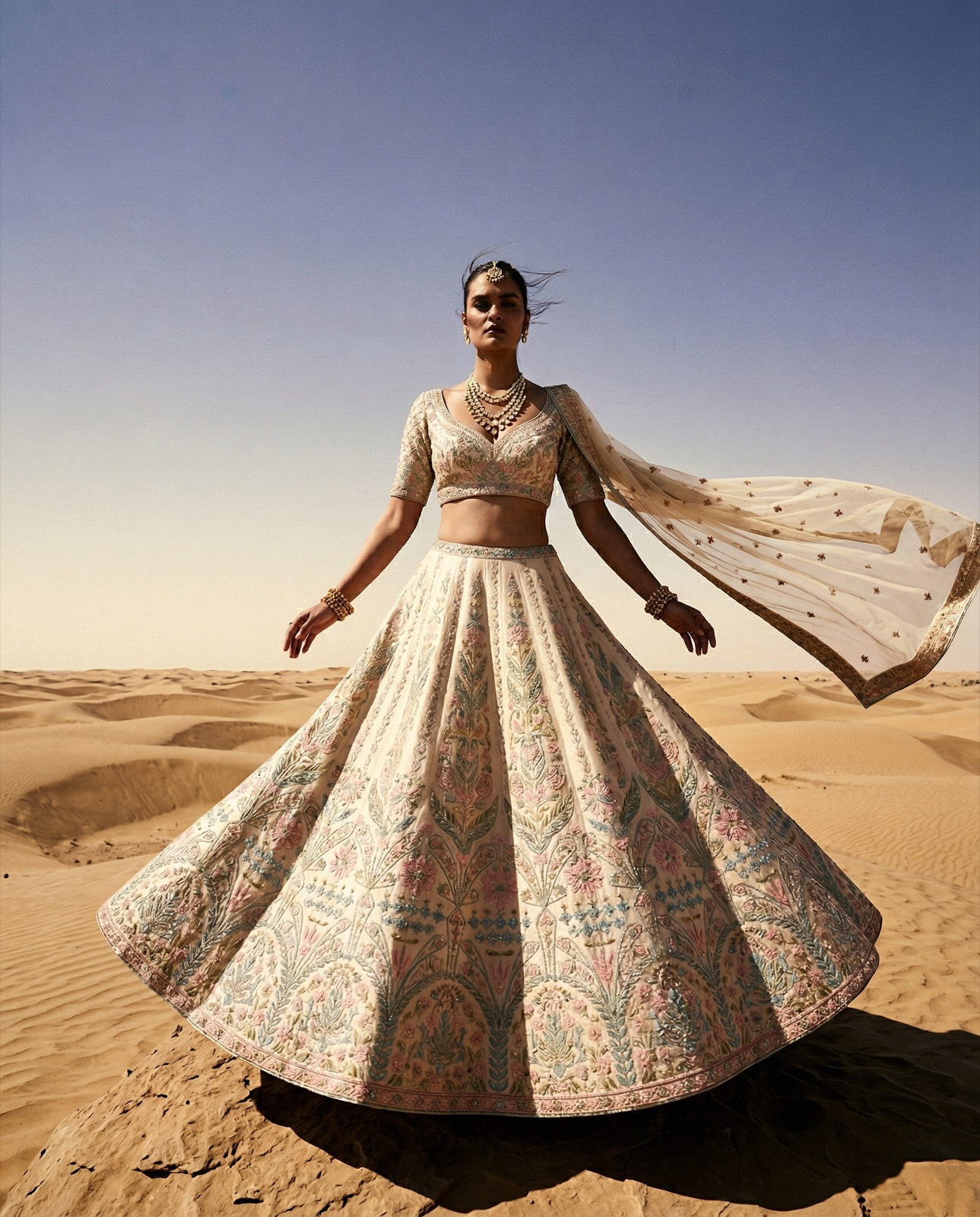
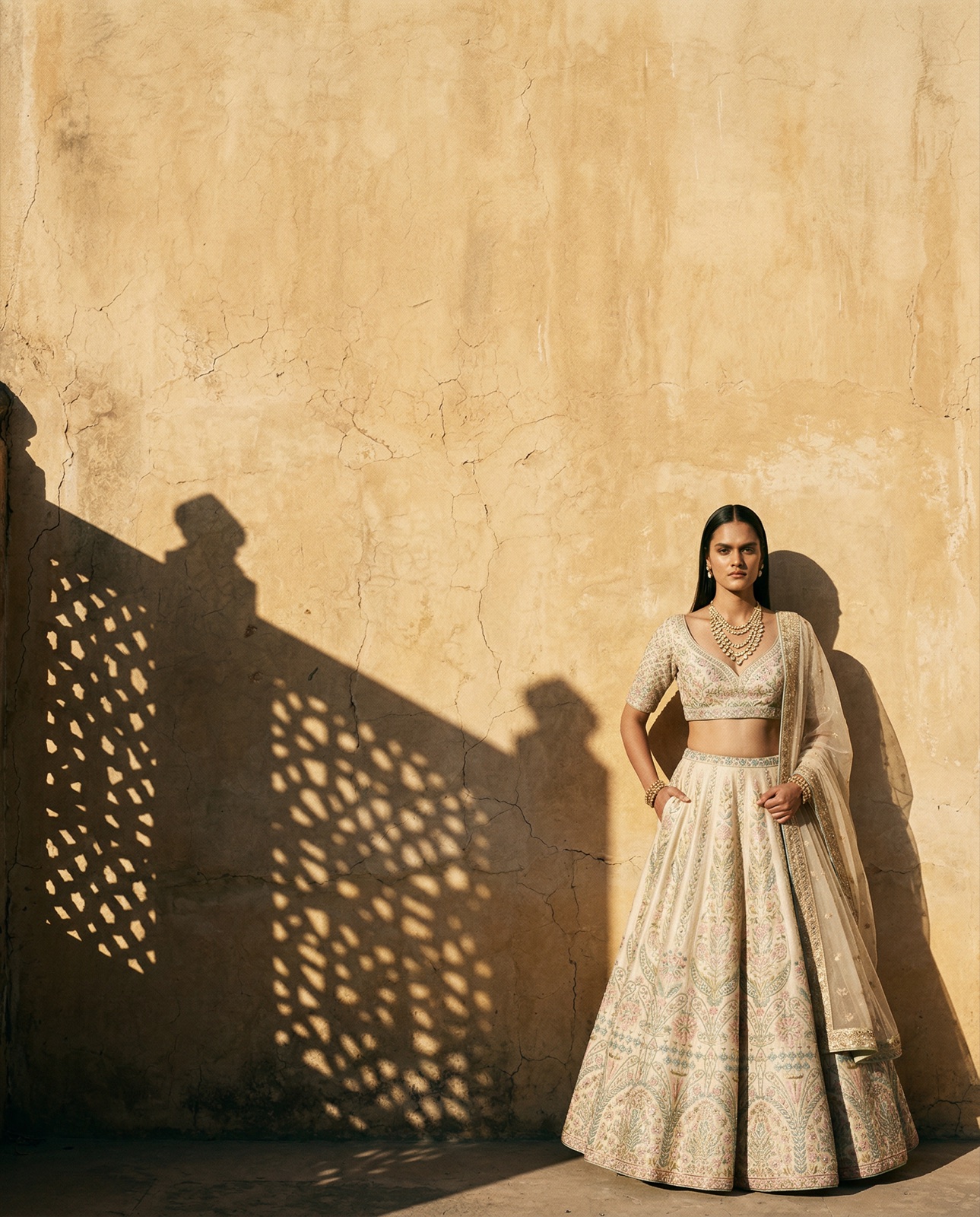
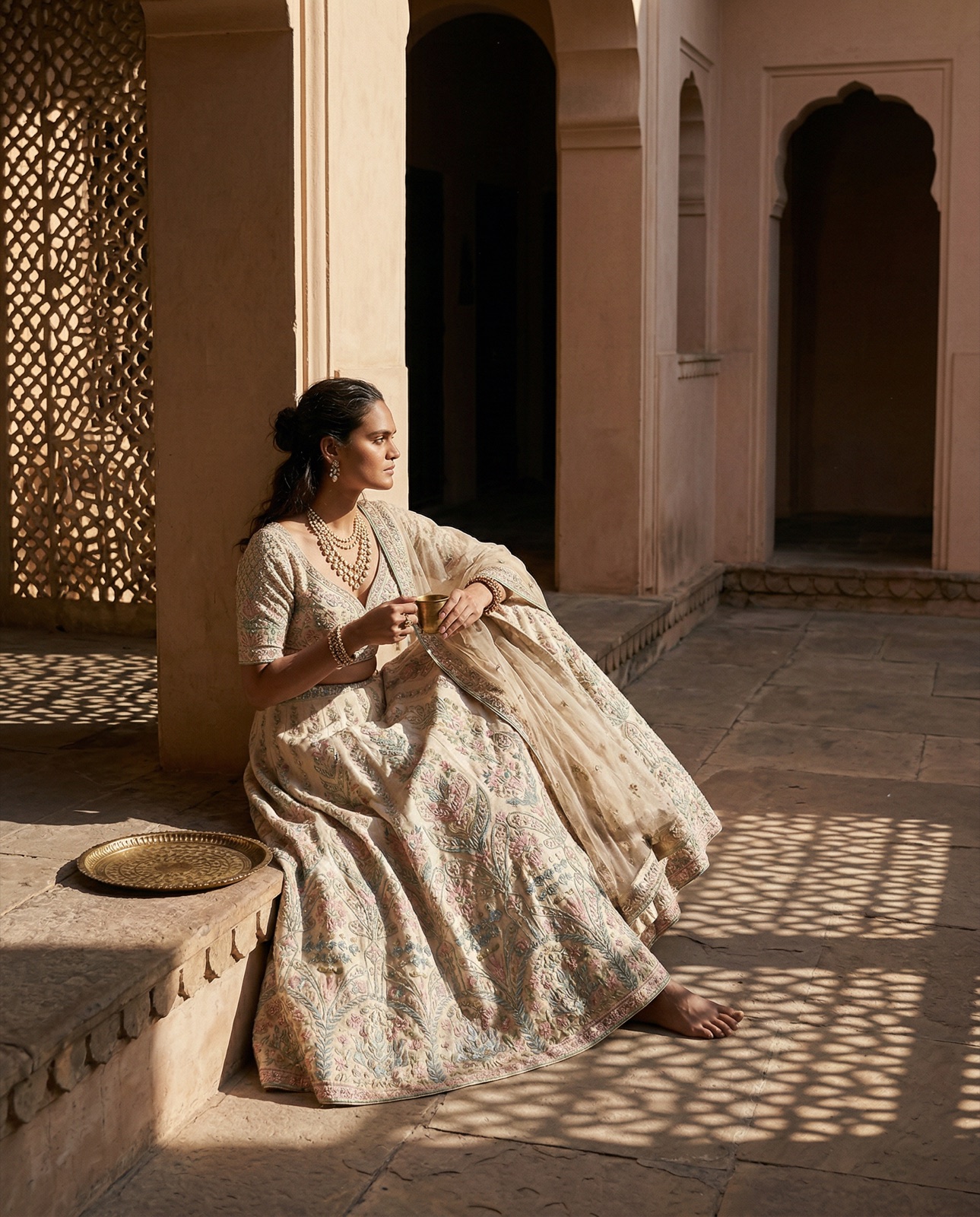
A typical engagement begins with a brand kit onboarding. You provide your model preferences or reference photos of models your brand uses, your visual language, your colorway library, and your export specs. That onboarding is a one-time effort. From that point forward, every time you add new products to the catalog, you send the garments or reference images and we produce the complete photography suite without additional creative direction.
For high-SKU catalogs, the system is industrial. One of our apparel partners sends garments in weekly batches and we return on-model hero shots, lifestyle context, flat lays, and detail imagery in 48 hours — across their 2,000+ SKU catalog this is the difference between a viable ecommerce operation and an unscalable one. That is the workflow on-model photography at scale is built for.
Flash drops and seasonal launches are the highest-value use case. Brief us Monday, have the full creative library — product photography, lifestyle context, and ad-ready creatives — live by Wednesday. For trending style moments with a seven-day window, this cadence is not optional. It is the difference between capturing the moment and watching it pass. This is the playbook brands are using to replace photoshoots with AI without losing the creative quality that built their brand.
For existing catalogs, the unlock is consistency. Brands with photography that was shot over months by different photographers carry a visual inconsistency that erodes trust. Retroactively reshooting 500 SKUs in a traditional model is prohibitive. With AI photography, unifying a catalog under a single visual language is achievable in weeks instead of quarters — the full virtual photoshoot for clothing brands workflow, applied to legacy inventory.
Photography is one part of a larger picture. US labels that want catalog imagery, lifestyle context, and ad-ready creatives handled by a single team typically engage our full apparel creative agency for US brands, where the photography pipeline described here feeds directly into the creative and campaign work.