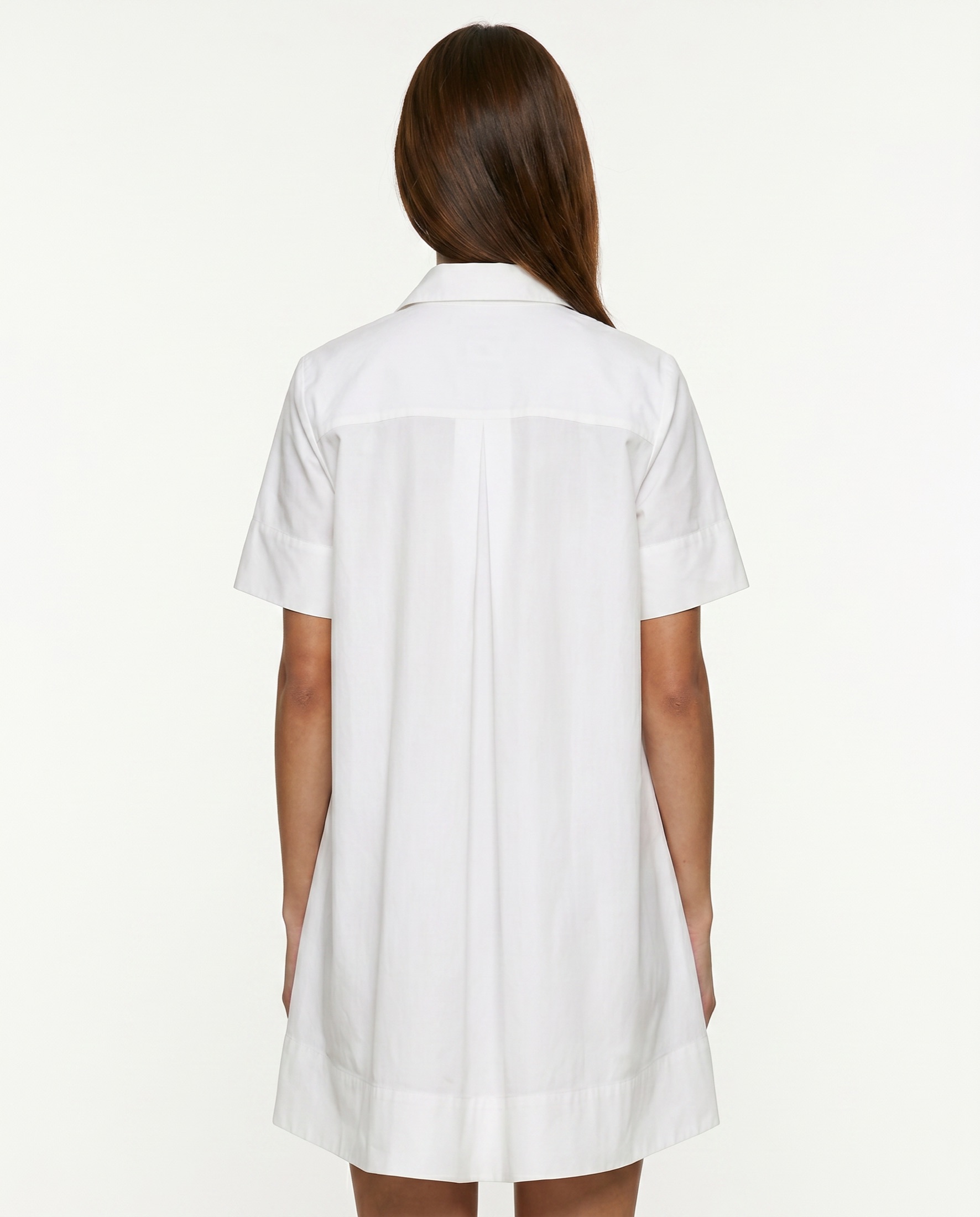
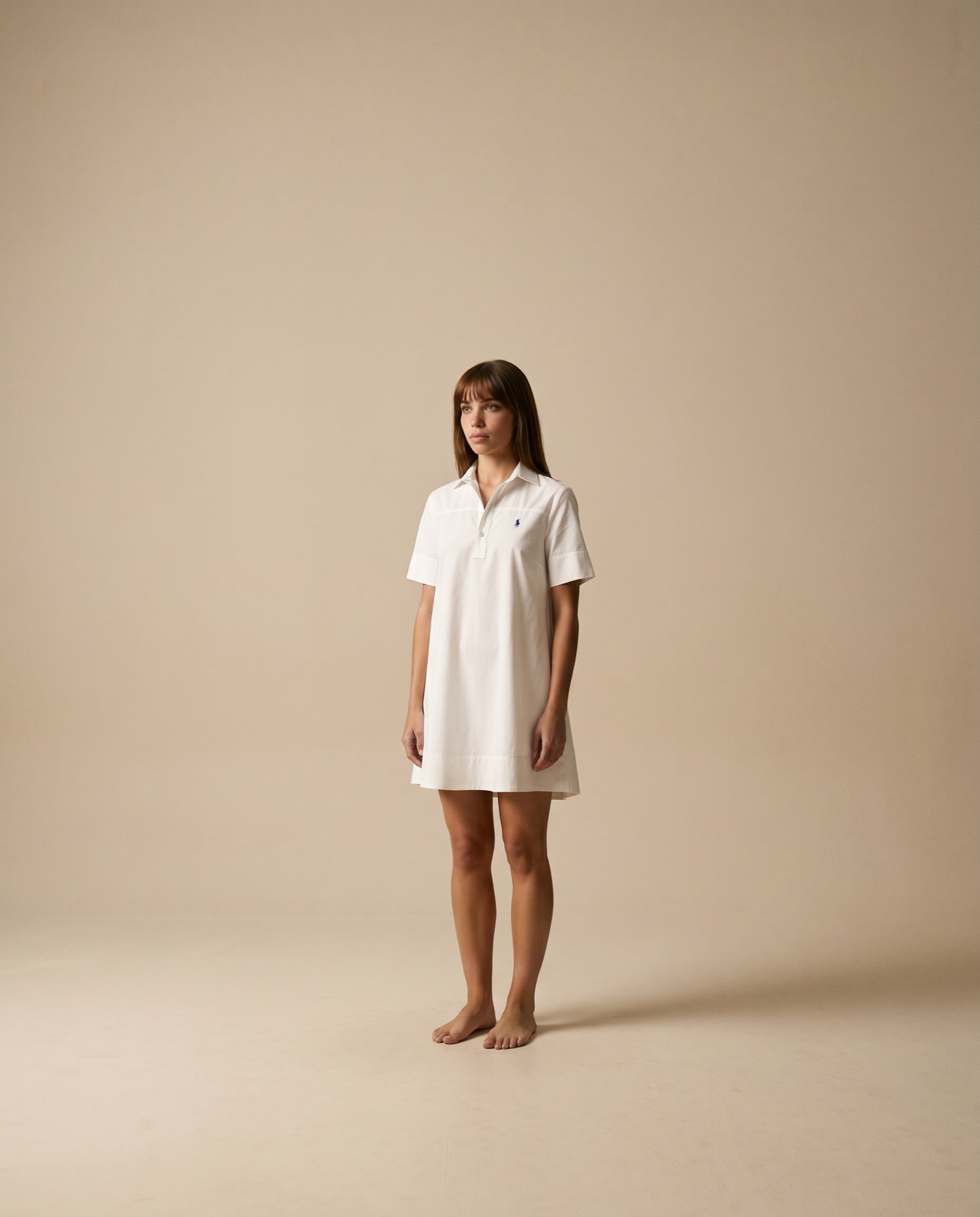
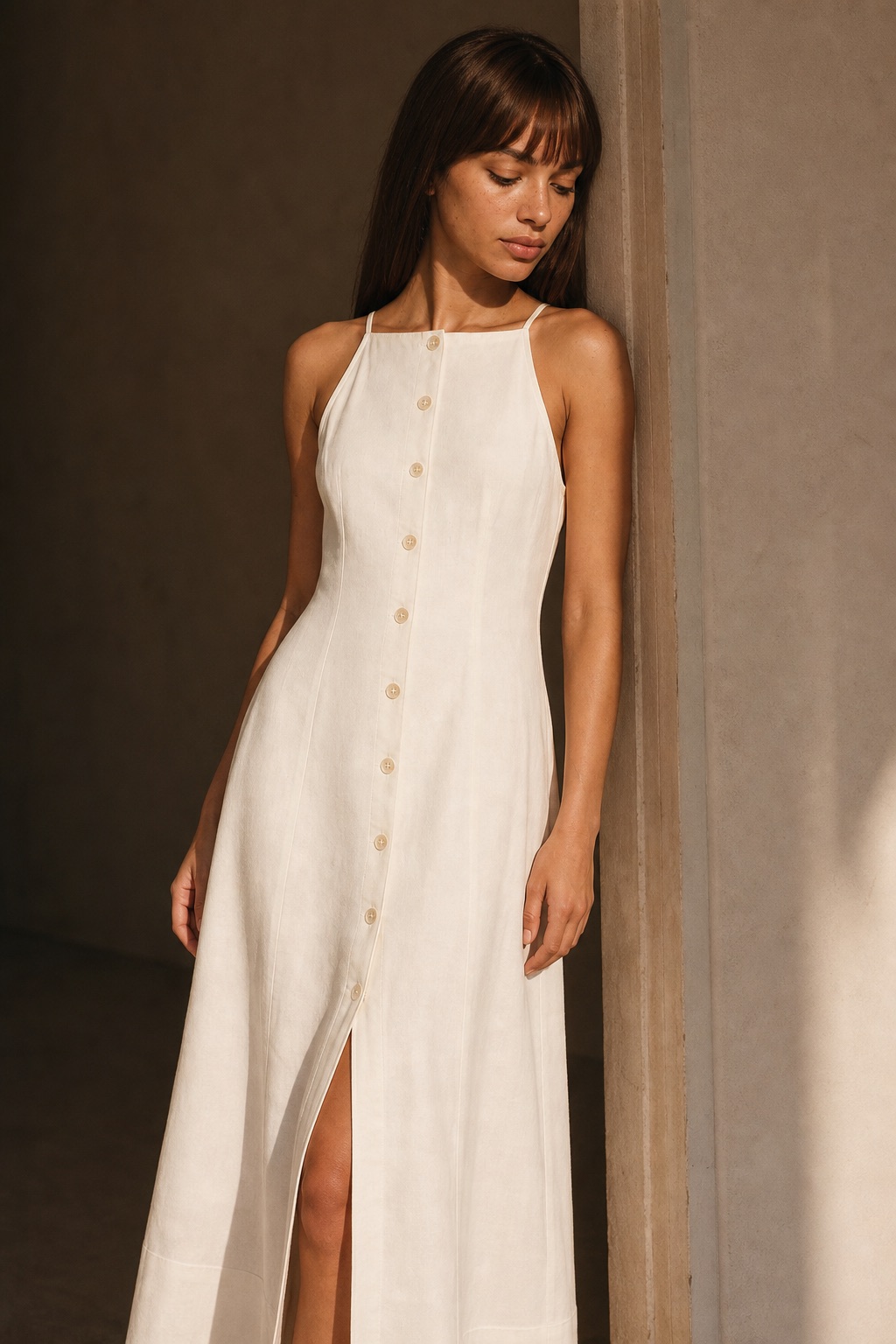
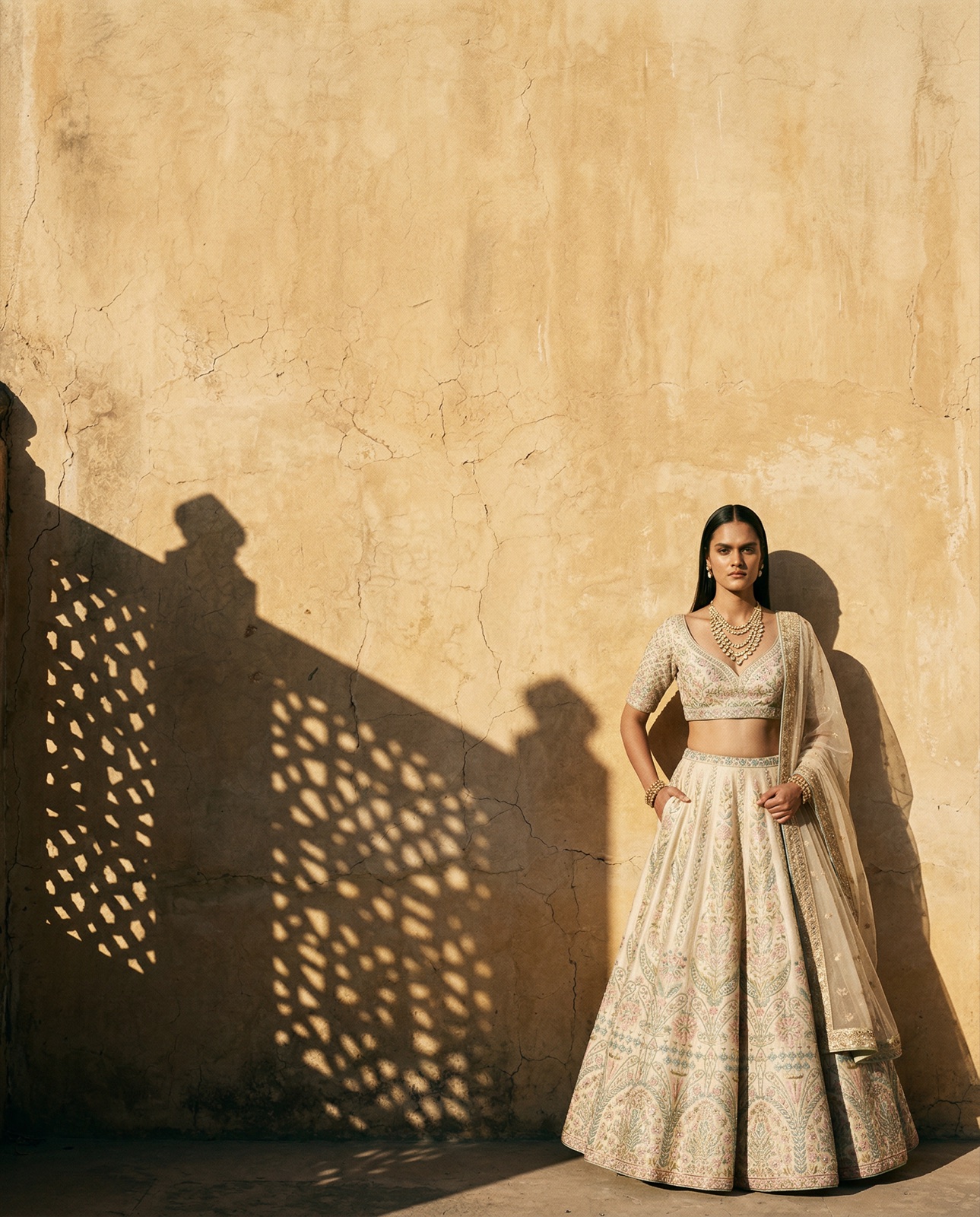

It is the Monday nine days before the New York wholesale appointments. The line is finished — seventy-two SKUs across three colourways, the samples are back from the factory, the linesheet is built in NuORDER with the costs and MOQs locked. Everything is ready except the one thing the buyer actually looks at first: the imagery. The founder has a studio quote at fifty-eight thousand for two model days and a three-week retouch pass, and the appointments are in nine. So she does what most founders at this band do — shoots flat-lays on a folding table against a bedsheet, drops them into the linesheet, and tells herself the buyer cares about the margin, not the photo.
The buyer cares about both, in the same glance. A wholesale buyer at a multi-brand boutique or a department-store floor is reading thirty to sixty brands a season. She opens the catalog, scans the imagery, and decides in under four seconds whether this is a brand her floor wants to carry — before she reads a single cost. The bedsheet flat-lay does not read as a brand. It reads as a brand that ran out of time, which a buyer correctly translates as a brand that will run out of time on the reorder, the colourway swap and the EDI ship window too. The image is a proxy for operational trust.
This is the gap apparel wholesale photography is built to close. The buy is a margin bet made against an image, months before any consumer demand exists to validate it. The imagery is the only evidence the buyer has that the navy will arrive as navy, that the silhouette in the linesheet is the silhouette that ships, and that the brand world the floor merchandises against is real. Get the imagery wrong and the buyer either passes or writes a smaller, hedged order. Get it right and she writes the open-to-buy she came to write.