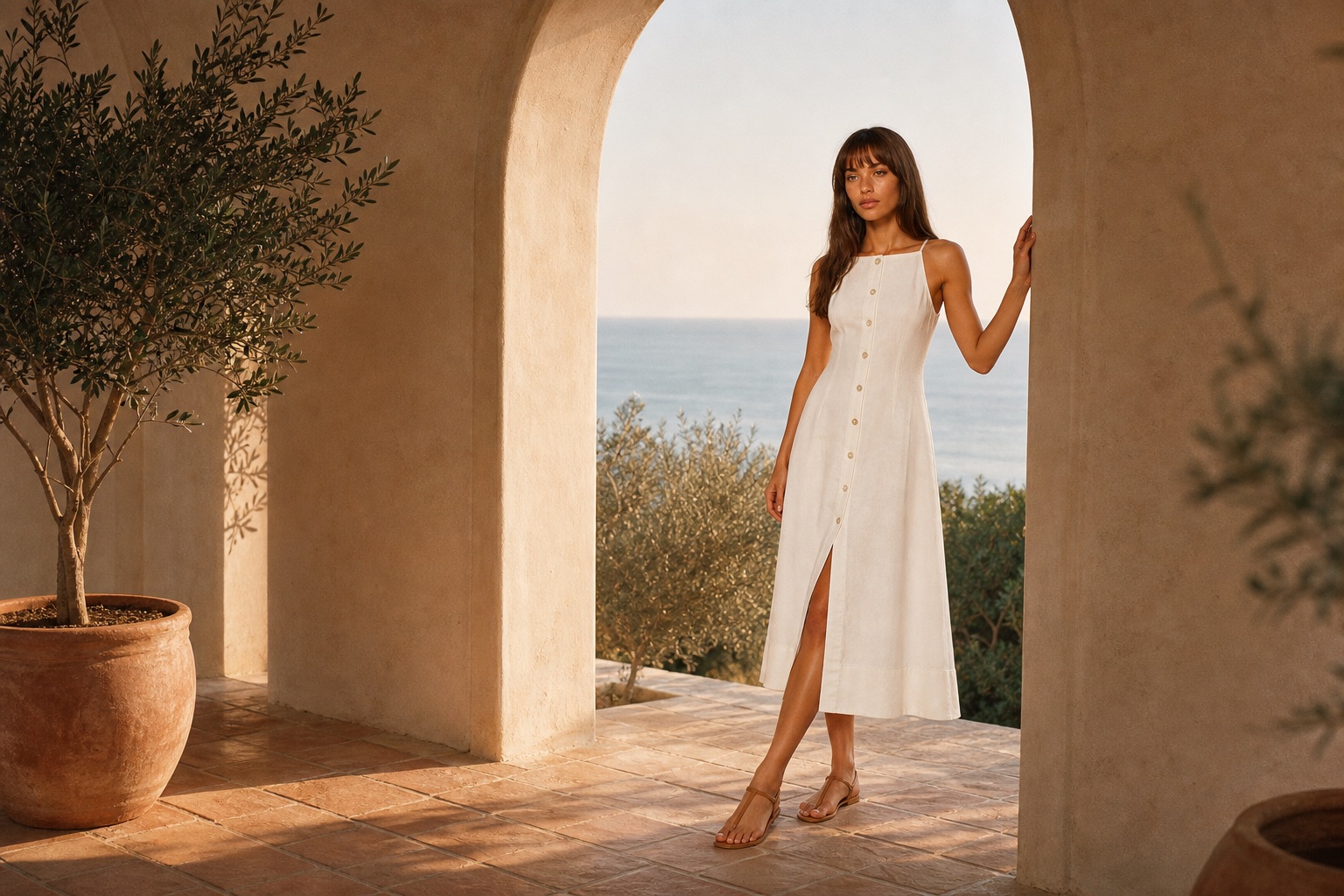
It is the Monday you committed to your first real campaign. The fall capsule is back from the factory — fourteen looks, sized, pressed, hanging on a rail in the corner of the office. You have booked a photographer a friend recommended, found a model on Instagram who fits the brand, and circled a Saturday three weeks out because that is when everyone is free. You have a moodboard with thirty pins on it. What you do not have is a shoot. You have ingredients, a date and a feeling. Every founder who has shot a campaign that came back thin made exactly this mistake: they confused booking the day with planning the shoot.
The gap between those two things is pre-production, and it is the single highest-leverage spend in the entire campaign. The photographer's day rate is fixed. The model is booked. The samples are made. The only variable left that determines whether you get forty usable frames or eight is the planning you do in the three weeks before. A campaign shoot is not a creative act that happens on the day; it is a logistics document that happens to produce art. Brands at the Aritzia and Reformation tier do not show up with a moodboard and a vibe — they show up with a call sheet, a shot list, a permit binder and a coverage matrix, and the photographer's job on the day is to execute a plan that was already won.
This playbook runs in the order a real production runs: the brief against the brand world first, then casting, then location and permits, then the shot list and coverage matrix, then the budget tier, then post and delivery. Skip the brief and you cast for the wrong customer. Skip the coverage matrix and you shoot frames that do not crop to the channels you need. Skip the permit and a parks officer ends your day at 2pm with the light just turning good. The order is not arbitrary. Each stage de-risks the one after it.