

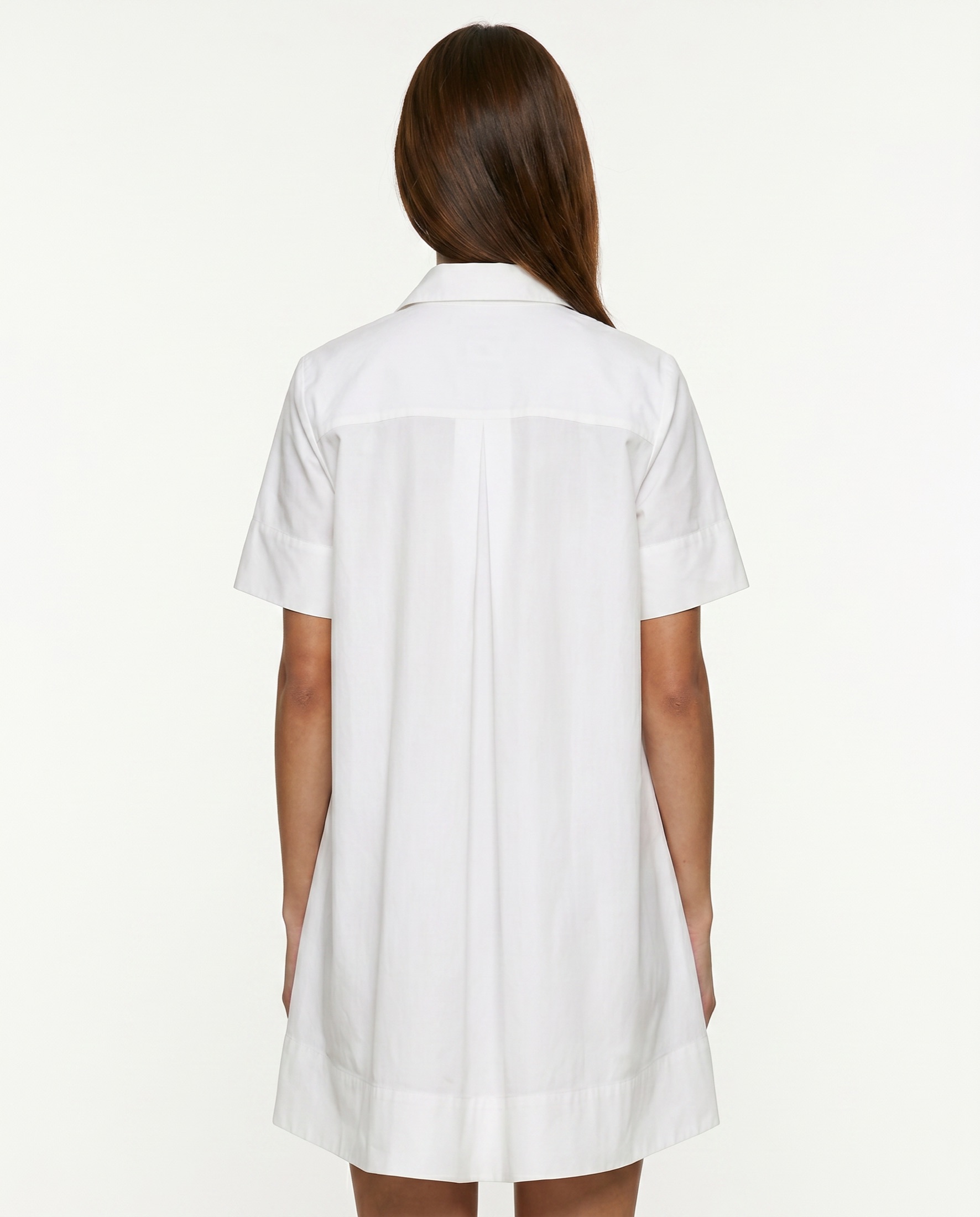


It is the Thursday before a market week and the deck is a forty-slide PDF the founder built in Canva over two late nights. The first thirty slides are gorgeous — full-bleed editorial frames, a manifesto slide, the founder's origin story, a moodboard. Somewhere around slide thirty-four is a screenshot of a spreadsheet with style numbers in eight-point grey type, and a line at the bottom that says "MOQ and pricing on request". The boutique buyer at the appointment will give the brand twelve to twenty minutes, half of it spent flipping past the editorial to find the part she needs. She will not find a clean linesheet. She will say "this is beautiful, send me the linesheet and the terms" and the brand will spend the next three weeks in an email thread instead of writing an order on the spot.
This is the most common way a strong collection loses the room. The founder treats the wholesale deck as a portfolio when the buyer treats it as a working tool. A retail buyer at a boutique, a Nordstrom or Anthropologie merchandiser, or a Faire and NuOrder platform reviewer is not browsing — she is filling an open-to-buy budget against a deadline, comparing fifteen brands the same week, and she needs to transcribe an order. The deck either makes that fast or it gets set aside. The editorial belongs in the deck. It belongs in the front two slides and the lookbook spreads. It does not belong in front of the linesheet she came for.
The fix is not a prettier deck. It is a deck built in two halves with a clear hinge: a brand-world front that sets the price point and the customer in under a minute, and a garment-accurate back that functions as the buyer's order worksheet. Everything in this guide is in service of that structure. Build the front to earn the price; build the back so the order writes itself. The brands that book reorders are the ones whose decks the buyer could work from without a single follow-up email.