

Apparel · the full creative funnel

An apparel creative agency in Canada that ships the brand world, not the catalog.

An apparel creative agency in Canada is the partner a fashion brand hires to own the entire visual funnel — brand identity, the seasonal campaign hero, the lookbook the customer and the wholesale buyer flip through, the editorial story that earns press, and the feed-depth imagery that holds the brand world together between drops. The brand director comparing agencies has usually already lived the alternative: a freelance photographer for the campaign, a different shooter for the lookbook, a UGC pack for the feed, a contract designer for the identity — five colour registers, five framing instincts, and a feed that reads as five different brands stitched together on a Friday afternoon. We are the version where every tier of that funnel is produced from one studio against one brand spine, for labels at the Aritzia, Kotn, Frank And Oak, Sentaler, Ralph Lauren, Veronica Beard and Anita Dongre register — Calgary-rooted, working coast to coast, at roughly one fifth the cost and ten times the speed of the traditional model.

By Abhi Chawla, founder · Last updated: 2026-06-19

Brand-world reference

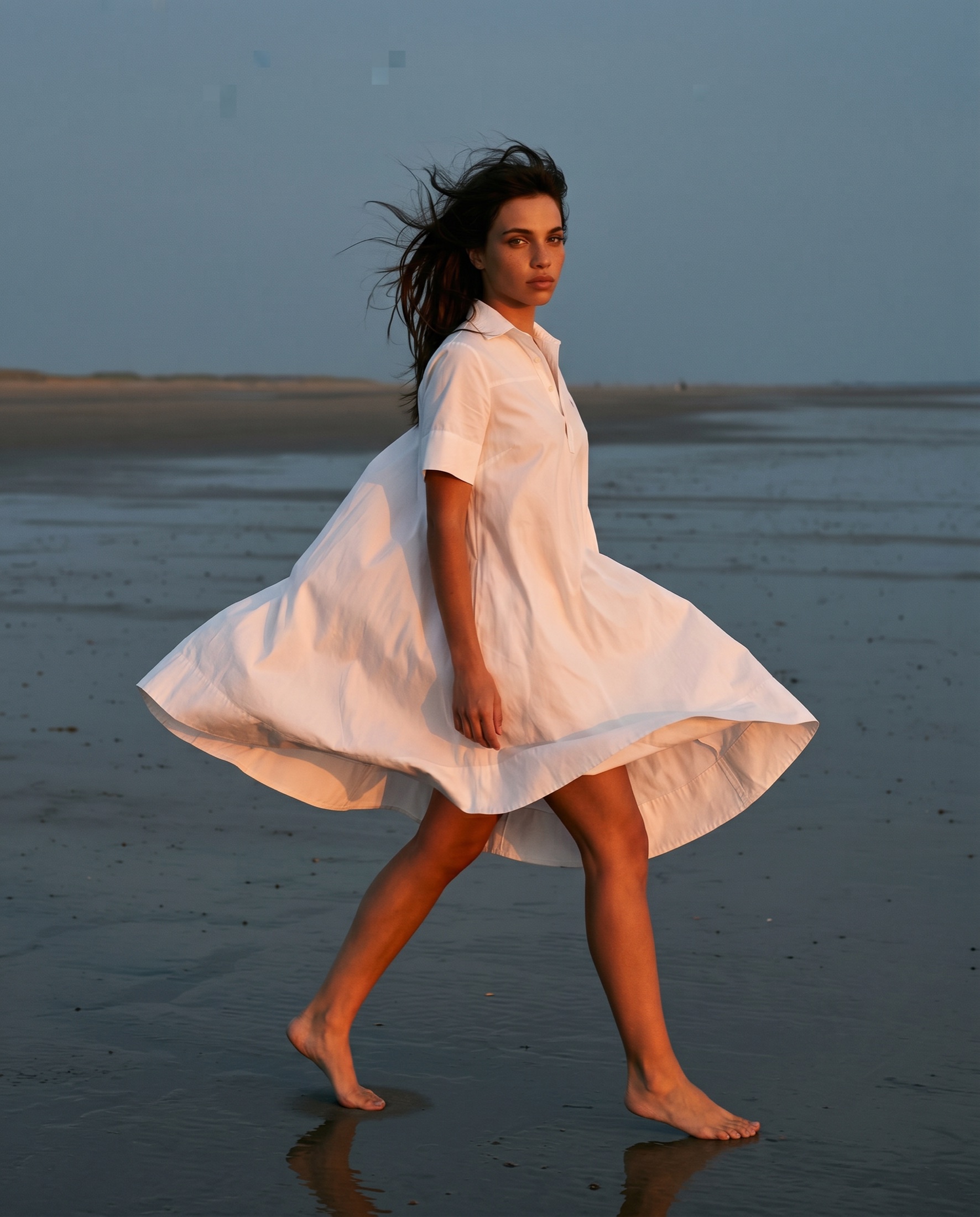
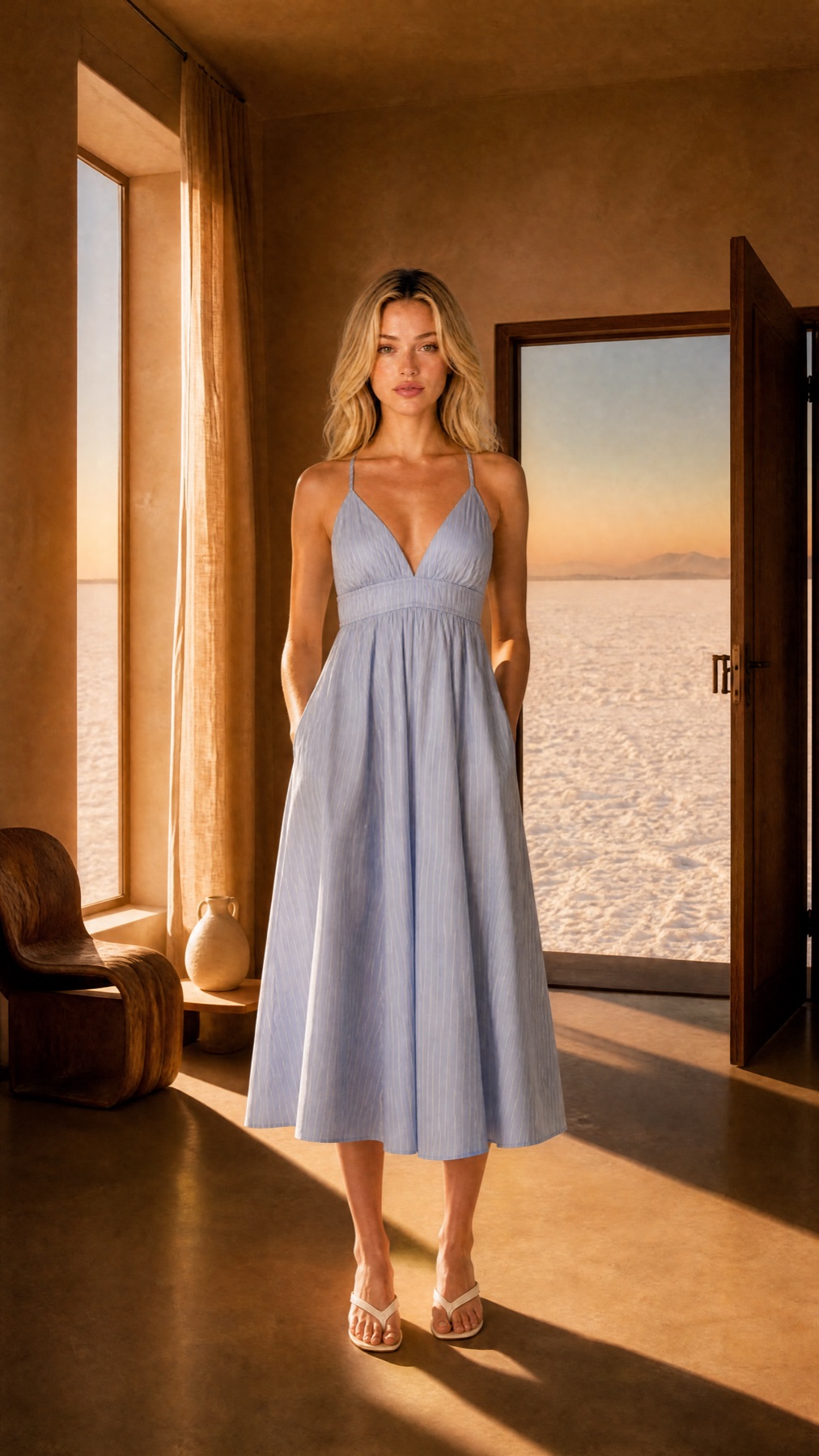
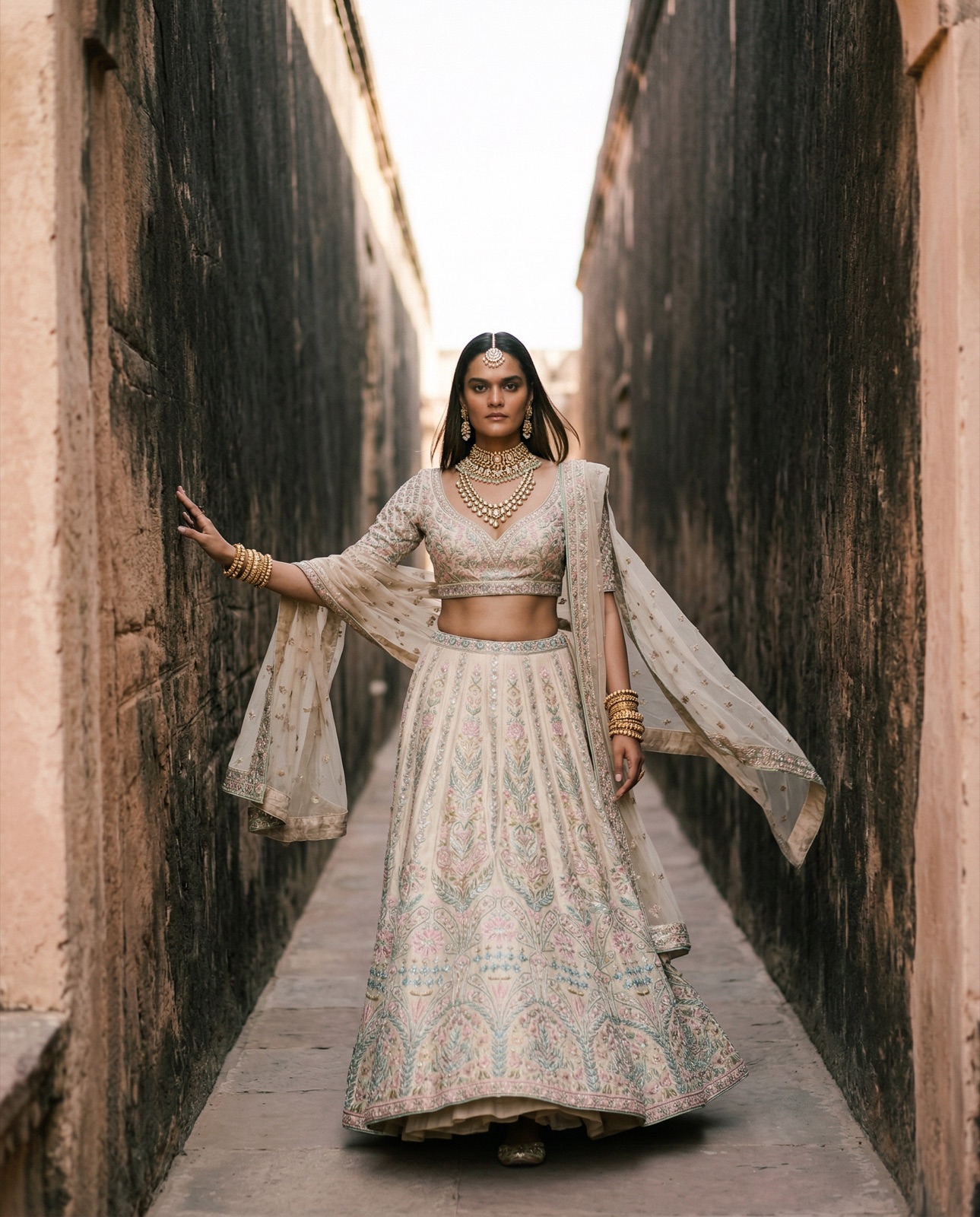
One brand spine, every tier of the funnel — the work of an apparel creative agency in Canada.

The brand director has a tab open with nine agency websites.

It is the Thursday she finally blocked an afternoon to fix the creative problem. The brand director at a Toronto contemporary label runs eight figures, ships three seasons a year, and has a folder on her desktop called "creative — sort out". Inside it: a quote from a Queen West agency for the spring campaign at one-hundred-eighty thousand, a freelance lookbook shooter she likes but who is booked through May, a UGC platform invoice for twenty-six thousand that produced a feed she quietly hates, and a brand book a contractor delivered eighteen months ago that nobody has shot against since. She has nine agency websites open in a browser window and they all say the same three words — strategy, storytelling, results — over the same kind of moody full-bleed video.

The thing none of the nine sites answers is the question she actually has, which is not "who is good" but "who holds the whole thing together". She does not have a campaign problem. She has a coherence problem. The campaign looks great for the three weeks it runs. The lookbook, shot by someone else, is half a stop warmer and frames tighter. The feed, fed by the UGC pack, is a different brand entirely. The wholesale buyer who saw the campaign on Instagram opens the linesheet and meets a third visual language. Every tier of her funnel is individually fine and collectively incoherent, because no single party is composing against one spine.

That is the specific gap an apparel creative agency in Canada is supposed to close and rarely does, because most agencies are organised around the campaign as a project rather than the brand as a system. The campaign gets the budget and the named photographer; the lookbook, the editorial, the feed and the identity get whoever is cheap and available. We built the practice the other way around — identity first as a production spine, then campaign, lookbook, editorial and feed all composed against it. The work above is four brands and one performance label, every tier produced against a locked spine. The detail at the linesheet and feed level is where the social-campaign engine and the season's lifestyle layer hold the world together once the hero is off screen.

Why the freelance stack and the holding-company agency both leave a gap.

The freelance stack is the default for a Canadian apparel brand under thirty million, and it is rational right up until it is not. A photographer the founder loves shoots the campaign. A second shooter who is cheaper does the e-commerce and the lookbook. A platform supplies the UGC. A contract designer built the identity two years ago. Each line is defensible. The collective failure is that the brand director is the only human holding the spine, and she holds it in her head and on her phone at nine on a Sunday night. There is no document the five parties compose against, so there is no coherence to enforce. The feed reads as five brands because it was made by five people who never saw each other's colour profile.

The holding-company-adjacent agency in Toronto or Vancouver solves coherence and reintroduces cost. It will run discovery, concepting, a destination shoot, a finishing cycle, and present the season as a beautiful project at one-hundred-fifty to six-hundred thousand on a six-to-ten-week clock. The work is genuinely good. The model is genuinely unaffordable at three campaigns a year for a brand at this band, which is why the brand director ends up paying agency rates for the spring tentpole and falling back to the freelance stack for fall and the holidays. She gets coherence one season out of three and incoherence the rest of the year, at the highest possible blended cost.

The third path — the one growth leads reach for when CAC is climbing — is to hire in-house and try to produce everything internally. A talented designer and a social manager can hold the brand for a while, but they cannot personally shoot a campaign, a lookbook, an editorial and forty feed frames a fortnight while also doing their jobs. The in-house team becomes the production team, the design work stops, and the founder wonders why the brand stopped evolving. We document the volume math behind this specific trap in the DTC content-as-growth-lever analysis — the auction needs more creative than any two-person team can hand-produce on the brand spine.

All three paths share one root cause: the brand spine is never made into a production contract that every tier is composed against. The freelance stack has no spine. The holding-company agency rebuilds the spine from scratch every season and bills for the rediscovery. The in-house team holds the spine but cannot scale the hands. An apparel creative agency built as a brand-world studio fixes the root cause directly — lock the spine once, compose every tier against it, ship on a cadence the brand can actually afford.

One brand spine, five tiers of the creative funnel.

An apparel creative agency in Canada earns the word "agency" by owning the whole funnel, not one tier of it. Click through the five tiers below — each is produced from the same studio against the same brand-spine document, so identity, campaign, lookbook, editorial and feed all read as one brand. Every tier is built against the spine the brand identity work locks in week one.

The brand spine — identity as a production contract

The funnel starts where most agencies finish: a brand identity that is not a logo and a moodboard but a production contract. The spine documents the colour register in Pantone-locked sRGB, the type system, the voice, the casting logic, the light direction in physical units, the negative-space ratio, and the named environments the brand lives in. It is signed by the brand director and becomes the single document every downstream tier is composed against. Without this, every tier rediscovers the brand from scratch.

01

Lock the spine before the first frame

The brand-spine document — colour in Pantone-locked sRGB, light direction in physical units, casting logic, named environments, negative-space ratio — is built and signed in week one. It is the production contract every tier is composed against. The agency that skips this rediscovers the brand on every shoot and bills for the rediscovery. The studio that locks it once composes the entire funnel against the same source of truth.

02

One studio for the whole funnel

Identity, campaign, lookbook, editorial and feed all produced from one studio means one colour profile, one framing language and one casting frame across every tier. The customer who saved the campaign meets the same brand in the lookbook and the wholesale buyer meets it again in the linesheet. The five-freelancer stack cannot deliver this at any price because no document binds the five parties together.

03

Rooted in Canada, built for global

Calgary-based, working with labels in Toronto, Vancouver, Montreal and the Prairies — a creative partner in the brand's own time zone and currency. The studio model sidesteps the harsh-light-half-the-year problem that makes Canadian location shooting a gamble, and lets a Canadian brand compete at the Aritzia register globally from day one. Detailed in the apparel brand identity spine work.

04

Ship on a sprint, not a project clock

The traditional agency bills the season as a six-to-ten-week project. The studio ships on a two-week sprint indexed to the social and drop calendar. The brand goes from locked identity to live campaign funnel inside the first month, then keeps the funnel full every fortnight. The brand director stops being the producer and goes back to being the brand director.

05

Cost the CFO can model

Brand-spine ingestion as a one-time engagement, then campaign, lookbook, editorial and feed waves on a monthly sprint retainer — roughly one fifth the blended cost of the holding-company agency for the same funnel. The math closes because the spine is built once and every tier is composed against it rather than re-discovered and re-billed each season.

06

The campaign, not the catalog

The deliverable is a brand world, not a folder of product shots. The catalog tells the customer what a garment costs; the campaign tells her why it belongs to a world she wants in. Every tier of the funnel — even the e-commerce-adjacent lookbook — is composed to build the world, not just clear the SKU. That is the difference between an apparel creative agency and a production vendor.

The three ways a Canadian apparel brand resources its creative.

Option A

The freelance stack

A campaign photographer, a lookbook shooter, a UGC platform, a contract identity designer. Each line is cheap and defensible; the collective output is five colour registers and a feed that reads as five brands. The brand director is the only spine, and she holds it on nights and weekends. Coherence is impossible because no document binds the parties. Works at the very smallest scale and breaks the moment the brand has more than one tier shipping at once.

Option B

The holding-company agency

A Toronto or Vancouver agency runs discovery, concepting, a destination shoot and a finishing cycle, and ships a beautiful season at one-hundred-fifty to six-hundred thousand on a six-to-ten-week clock. Coherence is excellent inside the project and the cost is unaffordable at three campaigns a year. The brand pays agency rates for the spring tentpole and falls back to the freelance stack the rest of the year — coherence one season in three, at the highest blended cost.

100 Creatives

The brand-world studio

Lock the brand spine once, then produce identity, campaign, lookbook, editorial and feed against it from one studio on a two-week sprint cadence — roughly one fifth the holding-company cost. Every tier reads as one brand because every tier is composed against one document. The traditional agency stays for the once-a-year tentpole a brand chooses to keep. The studio holds the funnel for the rest of the year. Detailed at the indie-label campaign studio tier.

The math against the annual creative budget.

A Canadian apparel brand at the three to thirty million band typically runs an annual creative budget between two-hundred thousand and one-point-two million fully loaded. Of that, a single holding-company campaign engagement — discovery, concepting, two to four shoot days, talent, location, post, project management — absorbs one-hundred-fifty to six-hundred thousand. That is one season. The brand running three seasons cannot run three of those, so it runs one agency campaign and two freelance-stack seasons, and the blended cost lands high while the coherence lands low. The budget is being spent; the brand world is not being built.

The brand-world studio closes the math by restructuring it. Brand-spine ingestion is a one-time engagement at a fraction of a single agency campaign. After that, campaign, lookbook, editorial and feed-depth imagery ship on a monthly sprint retainer — typically the high-four to low-five figures per month depending on volume and channel count — against the spine already locked. Three seasons of the full funnel land for roughly what one holding-company campaign used to cost, and every tier reads as one brand because every tier is composed against one document rather than rediscovered each season.

The second-order economics sit on the in-house team's calendar and rarely show on the invoice. The brand director who was the de-facto producer of five freelancers recovers ten to fifteen hours a week. The designer who was shooting Sunday iPhone content goes back to designing. The brand evolves again because the people hired to evolve it are no longer holding the production line together by hand. Where a brand wants the campaign-studio tier specifically — the indie-label-grade hero without the agency overhead — the campaign studio for independent fashion labels is the sharper entry point, and the volume math behind a content-led growth motion is laid out in the DTC content analysis.

What the first month with the agency actually looks like.

Week one is the spine. We run a four-to-six-hour working session with the brand director, the in-house art director if there is one, and whoever owns social — walking the existing campaign work, the season's casting frame, the colour register, the light direction, the named environments the customer recognises, and the negative-space ratio of the brand's best existing frame. The output is a signed brand-spine document that becomes the production contract for everything that follows. For a brand whose identity lives in a stale PDF, this is also the moment the identity finally becomes a thing the work is shot against rather than a thing on a shelf — the upstream apparel brand identity layer made operational.

Weeks two and three ship the first funnel wave. The campaign hero and the opening lookbook looks land against the spine, cropped for the dot-com, the deck and paid. The brand director sees the first wave and recognises the brand on every frame — same colour register, same casting frame, same light as the work she already loved. This is the moment the coherence problem visibly closes: the campaign, the lookbook and the e-commerce crop are finally the same brand, produced in one wave rather than three separate shoots with three separate colour profiles.

Week four onward is rhythm. The feed-depth and editorial tiers move onto a rolling two-week sprint indexed to the social calendar, and the social-campaign engine begins holding the feed between drops on the same spine. The next season's campaign is briefed against the same document, which means the next campaign and the lifestyle layer that follows it are visually continuous from the day they are conceived. The brand director stops being the producer between drops and goes back to being the brand director. The brand is operating as one world, on one spine, on a cadence the CFO can model.

Apparel creative agency canada · frequent questions

What does an apparel creative agency in Canada actually do?

An apparel creative agency in Canada handles the full visual funnel a fashion brand needs to go to market — brand identity (the spine of palette, type, voice and photography rules), the seasonal campaign hero, the lookbook the customer and wholesale buyer flip through, the editorial story that earns press and saves, and the feed-depth imagery that holds the brand world together between drops. The distinction worth holding is between an agency that ships a logo and a deck, and one that ships the entire creative funnel against a single brand spine. At 100 Creatives the funnel is produced from one studio so identity, campaign, lookbook and feed all read as one brand.

Why hire one apparel creative agency instead of stitching together freelancers?

Because the freelance stack breaks the brand spine. A Canadian apparel brand running a freelance photographer, a separate lookbook shooter, a UGC pack and a freelance designer ends up with five colour registers, five framing instincts and a feed that reads as five different brands. The brand director becomes the only person holding the spine, and she becomes it on nights and weekends. A single apparel creative agency composing every tier against one brand-spine document means the campaign hero, the lookbook spread and the Tuesday feed frame all read as the same world. The cost of coordination collapses into one calendar.

How is 100 Creatives different from a traditional Toronto or Vancouver creative agency?

A traditional holding-company-adjacent agency in Toronto or Vancouver bills the season as a project — discovery, concepting, a destination shoot, a finishing cycle — at one-hundred-fifty to six-hundred thousand per campaign, on a six-to-ten-week clock. 100 Creatives is a brand-world studio: we lock the brand spine once, then produce campaign, lookbook, editorial and feed-depth imagery against it on a two-week sprint cadence at roughly one fifth the cost. The traditional agency stays for the once-a-year tentpole some Aritzia-tier brands keep. The studio holds the funnel for the rest of the year at a per-frame cost the CFO can model.

What does it cost to work with an apparel creative agency in Canada?

A traditional Canadian apparel creative agency engagement — identity plus a season of campaign and lookbook — typically runs two-hundred to seven-hundred thousand all-in across discovery, concepting, two to four shoot days, talent, location, post and project management. A brand-world studio producing the same funnel against a locked brand spine runs a fraction of that: brand-spine ingestion as a one-time engagement, then campaign, lookbook, editorial and feed-depth waves on a monthly sprint retainer typically in the high-four to low-five-figure-per-month band depending on volume and channels. The math closes because the spine is built once and every downstream tier is composed against it rather than re-discovered.

Do you only work with Canadian apparel brands?

The agency is rooted in Canada — Calgary-based, working with labels in Toronto, Vancouver, Montreal and the Prairies — and the production model is geography-agnostic because it is studio-based rather than location-shoot-based. A Canadian brand competing globally from day one gets a creative partner in its own time zone and currency, and a brand outside Canada gets the same funnel without a flight or a per-diem. The Canadian apparel context — the Aritzia-tier contemporary register, the harsh-light-half-the-year problem a studio model sidesteps — is what shaped the practice.

Where does brand identity stop and the campaign begin?

Brand identity is the spine; the campaign is the first thing composed against it. The identity work defines the colour register in Pantone-locked sRGB, the type system, the voice, the casting logic, the light direction and the named environments the brand lives in. The campaign hero is then the season's signature expression of that spine. The failure mode we see most often is a brand identity that lives in a PDF nobody shoots against — a logo and a moodboard with no production contract. The agency model closes that gap by making the identity a document the campaign, lookbook and feed are all literally produced against.

How fast can a Canadian apparel brand get a full campaign funnel shipped?

Brand-spine ingestion runs in the first week as a working session and a signed spine document. The first campaign and lookbook wave ships inside two to three weeks against that spine. Feed-depth and editorial tiers then run on a rolling two-week sprint cadence indexed to the social and drop calendar. Against the six-to-ten-week clock of a traditional agency campaign, the studio model puts a brand from locked identity to live campaign funnel inside the first month, then keeps the funnel full every fortnight after.

What kinds of apparel brands is the agency the right fit for?

Independent and growth-stage apparel labels — roughly three to thirty million in revenue — running two to four campaigns a year with a small in-house creative team and a brand world the founder takes seriously. Sharpest fit across the Canadian contemporary register at the Aritzia, Frank And Oak, Kotn, Sentaler tier; menswear and heritage labels at the Ralph Lauren, Buck Mason, Todd Snyder register; coastal-resort and linen labels at the Veronica Beard tier; occasion and bridal at the Anita Dongre register; and activewear crossover labels where lifestyle imagery does the brand work and product-on-white does the conversion work.

Start with the spine

Bring us your brand. We will hold the whole funnel.

If you are a brand director or founder at a Canadian apparel label and your creative is currently five freelancers and a folder called "sort out" — bring us the brand. The spine will be locked in the first week, the first campaign and lookbook wave ships inside three, and the feed and editorial tiers run on a fortnightly sprint after. Send your brand and we will reply with a plan — abhi@paperkites.co.

Book a creative-partner call