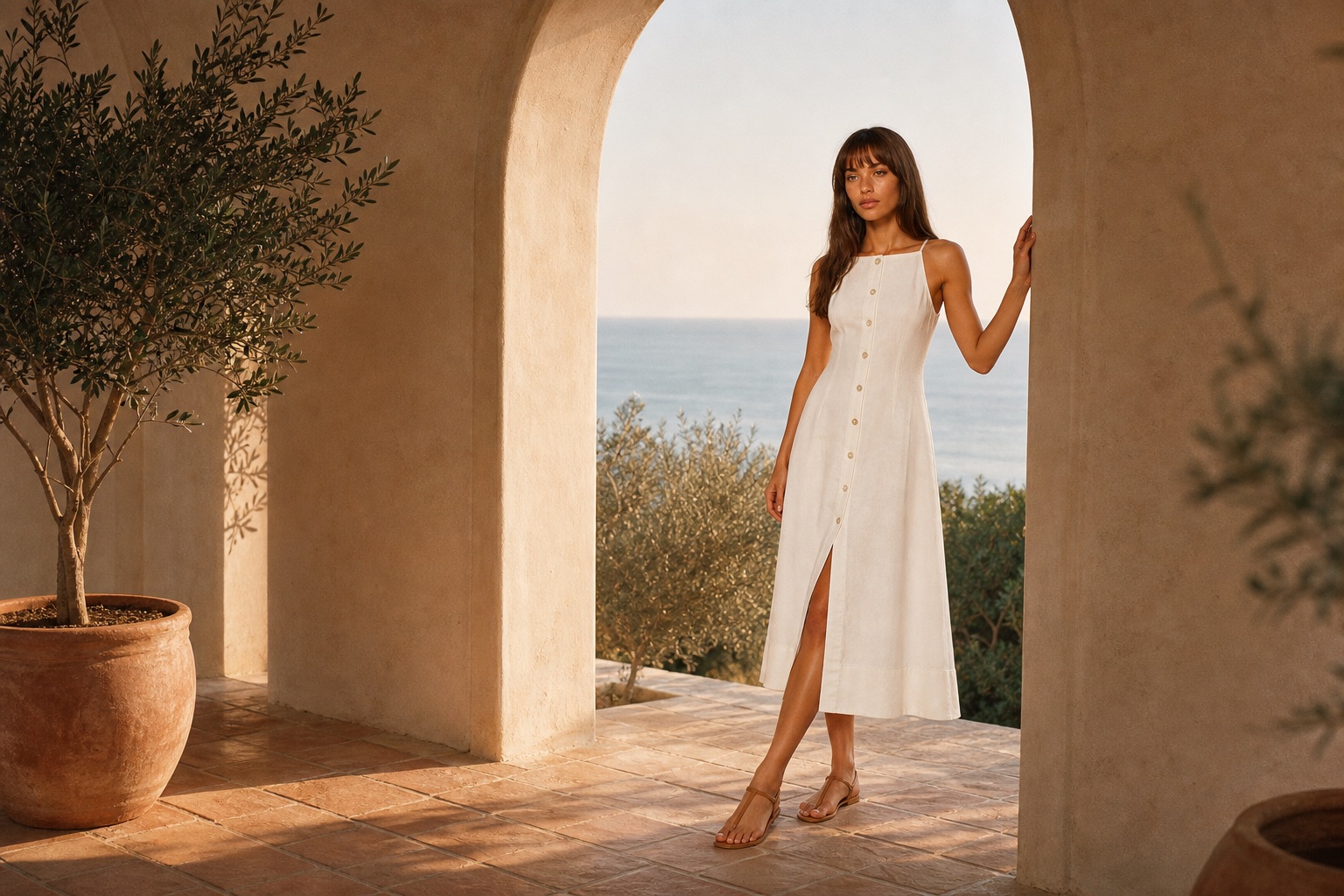
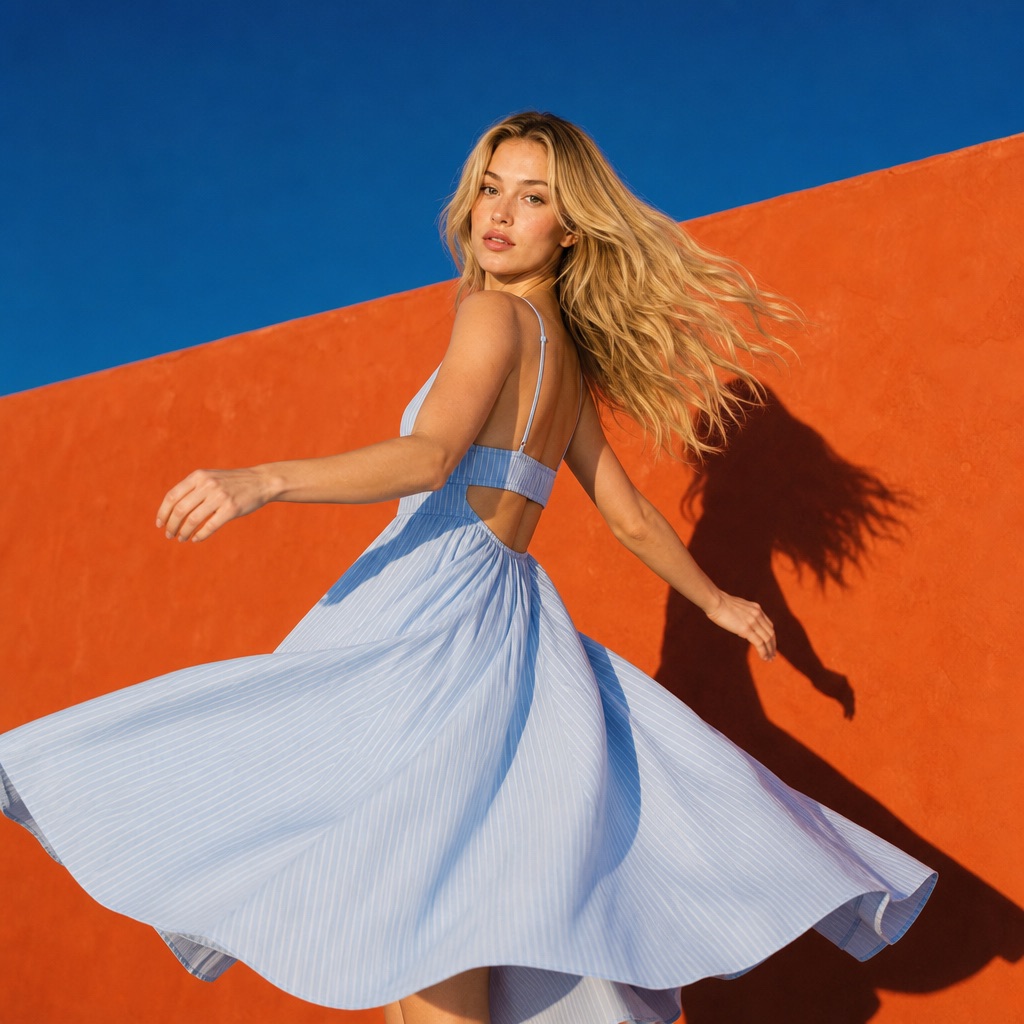
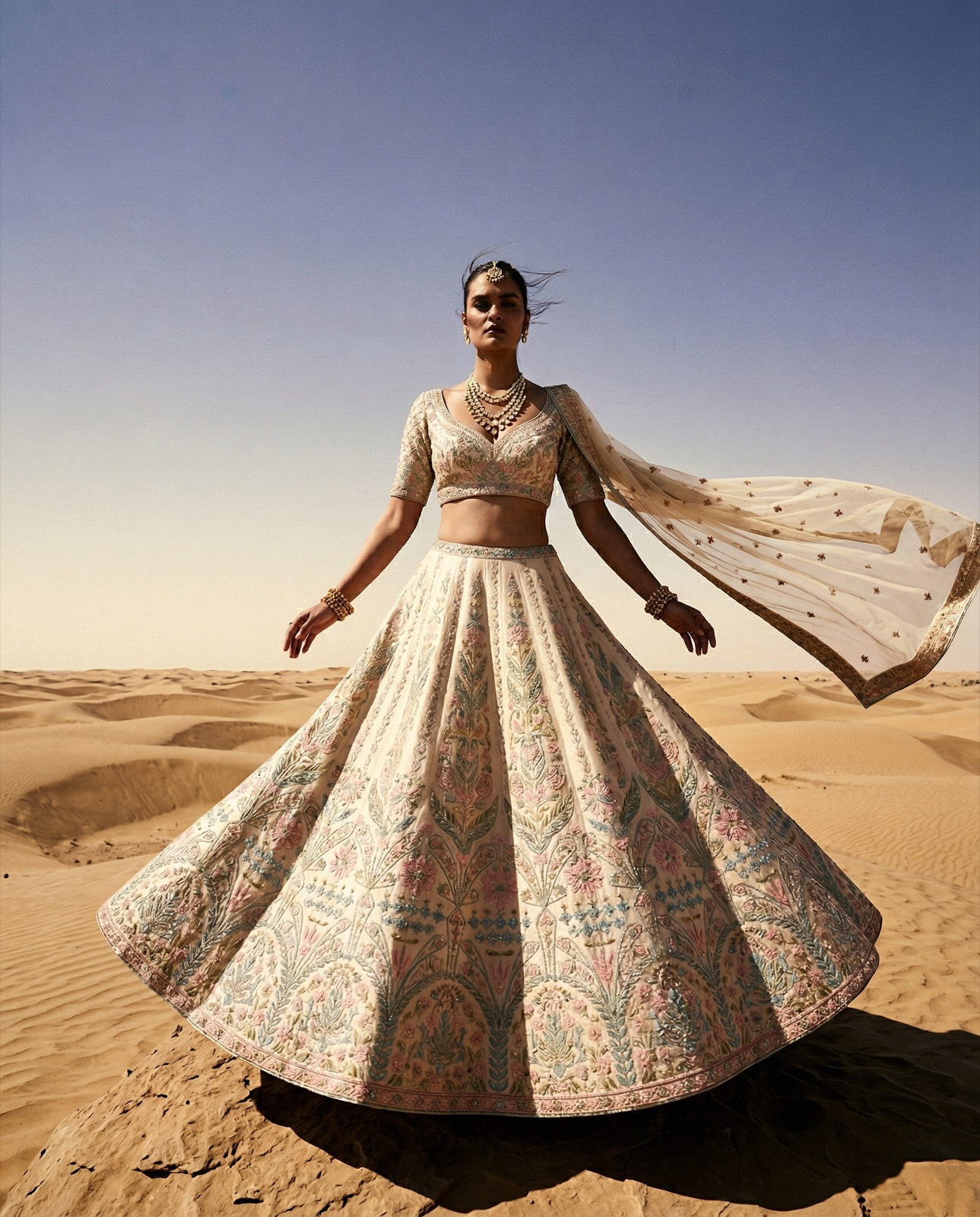


It is the Friday before the spring drop. The collection is in the warehouse, the PDPs are built, the Klaviyo flow is staged, and the founder opens the content folder to schedule the launch. Inside are three frames the brand likes from a hero shoot booked eight weeks ago, a handful of flat-lays the studio shot for the dot-com, and a TikTok the social manager filmed on her phone in the office. The Instagram launch wants a carousel. The Stories sequence wants nine slides. The email hero wants a 600-pixel-wide frame. Paid wants 1:1, 4:5 and 9:16 with room for a headline. The brand has three frames and seven surfaces. The drop ships Monday regardless.
This is the moment every brand running a seasonal fashion campaign hits at least once before they fix the planning. The hero shoot was treated as the campaign. It absorbed the budget, the lead time and the founder's attention. Everything downstream of the hero — the feed depth, the email, the paid cuts, the lookbook the wholesale buyer asked for — was assumed to fall out of the same three frames. It does not. A drop is a multi-surface event and a hero shoot is a single-surface asset. The gap between them is the scramble, and the scramble is where the brand world quietly comes apart on launch day.
The fix is not a bigger hero shoot. It is planning the drop as a campaign with an asset pack and a timeline, not as a shoot with a launch date attached. The brands that compound a drop into demand — and the ones cited across apparel-vertical operator panels on launch performance — are the ones that walked into Friday with a hero, a lookbook, a PDP set, a feed-depth layer and paid cuts already shipped and cropped, all composed against one brand spine. The drop reads as one moment because it was produced as one. That planning discipline is what the rest of this page lays out.