For the performance marketer who needs lifestyle creative on Meta cadence

Lifestyle photography
without the location scout.

AI lifestyle photography without a location scout is the production model in which the beach, café, kitchen, rooftop, vehicle, or outdoor adventure context is generated as part of the imagery itself rather than booked, traveled to, and physically shot. Brief Monday. Deliver Wednesday. No permits. No weather contingency. No truck rolls. Lifestyle creative finally moves at the speed the Meta auction wants.

Last updated: 2026-05-26

A lifestyle frame, produced without a truck roll

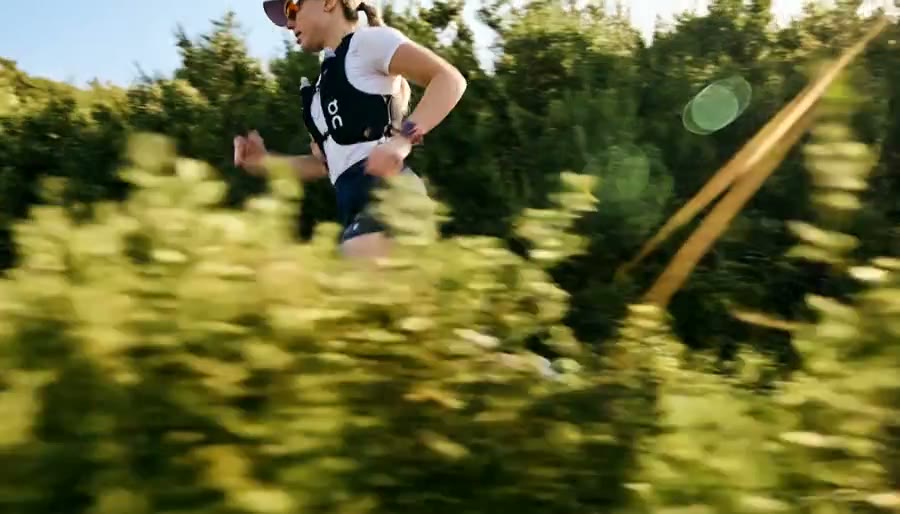
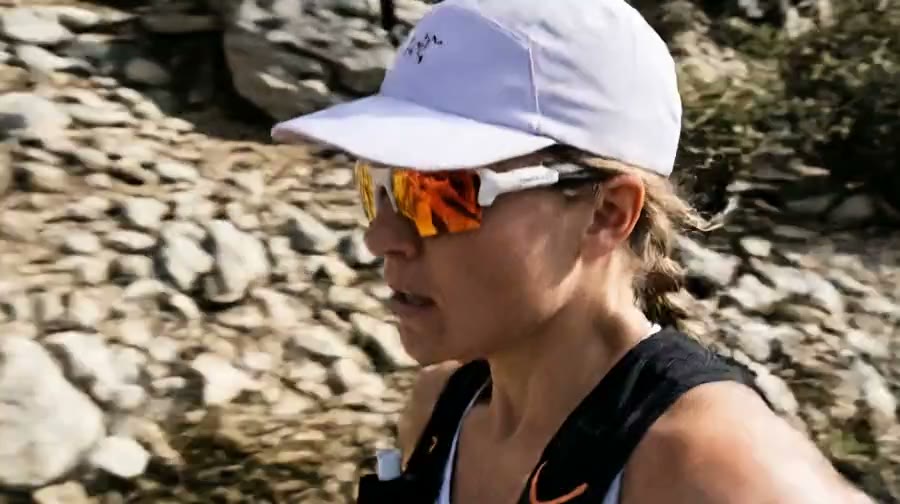
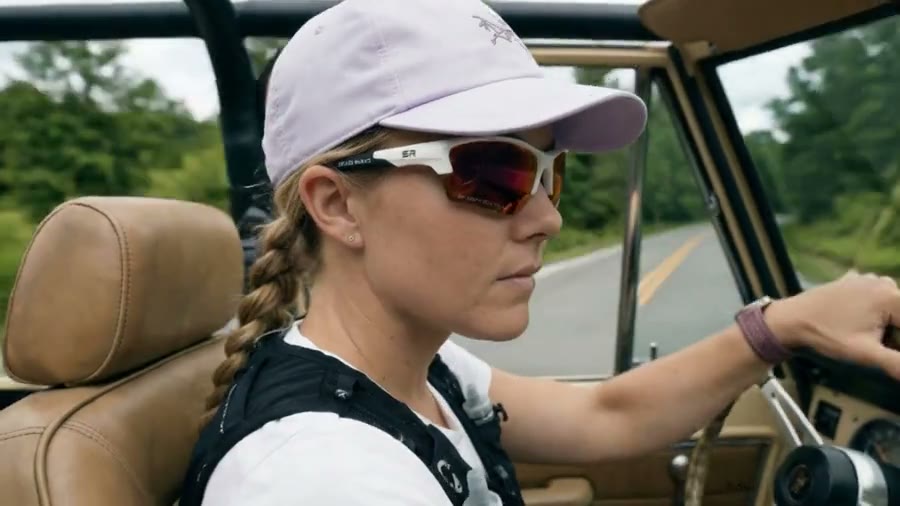
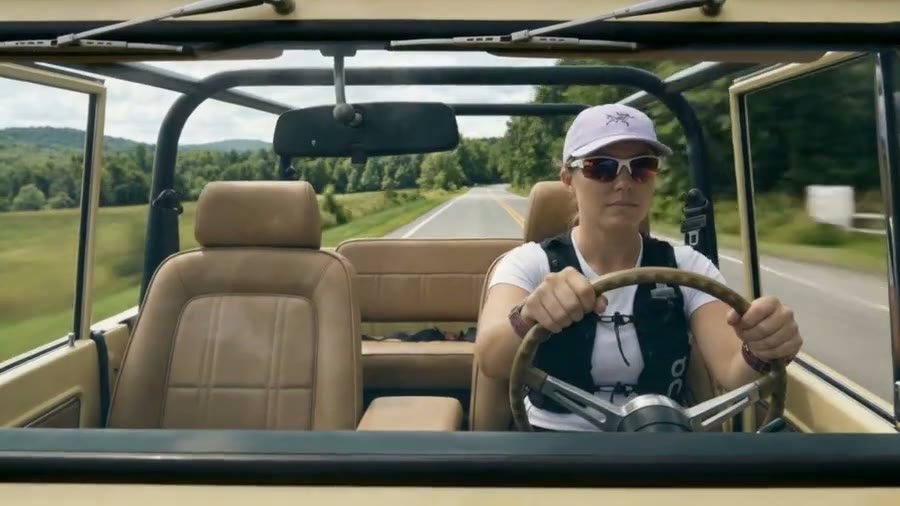
The Ford Bronco campaign, produced as AI lifestyle photography — no location scout, no permits, no weather day.

The lifestyle quote that does not survive the Q4 plan

The Q4 production quote landed on a Thursday. Lifestyle line — five locations, three shoot days each, six weeks end-to-end — totaled $42,000 before retouch. The performance marketer reading the email runs a $40M apparel DTC brand. Meta CAC is up 28% against the trailing 30-day median. The CFO already pushed back on the static-ads line. The lifestyle line, the one with the kitchen and the rooftop and the trailhead, is the line that makes the quarter work — except it cannot ship until late November, which means none of the campaign creative is in-account for the Black Friday lead-in, and the trailing 30-day data the brand is supposed to be optimizing against simply does not exist.

The numbers underneath that $42,000 are not exotic. Location fees run $1,500 to $8,000 per location depending on the city and the desirability of the property. Permits add $300 to $2,500 per jurisdiction. The location scout themselves charges $800 to $1,800 per scouting day and most multi-location productions need two or three scouting days before the shoot calendar locks. Photographer plus assistant runs $2,500 to $7,500 per shoot day. Hair, makeup, and stylist together cost $1,200 to $3,000 per day. Model day rates clear $1,200 to $5,000. The van and gear rental adds $1,500 to $4,000 across the production. Insurance and weather contingency are bundled in at $1,000 to $3,500 — the contingency day exists inside the quote whether the brand uses it or not. Retouch comes in at $150 to $400 per final image and the brand needs forty to eighty finals for the campaign.

The brand pays the entire stack to capture a finite number of frames. Five locations, three productive hours per location once the crew sets up and breaks down, four to seven usable looks per location depending on how many setups the photographer can run. That is twenty to thirty-five lifestyle frames for a quote that could have funded six weeks of paid creative testing on its own. And the math gets worse, not better, when the lifestyle plan needs to extend across multiple campaigns — fall, holiday, winter clearance, spring drop — because every campaign cycle reopens the location stack.

The performance marketer reading that email is not asking whether the lifestyle frames will be good. They will be. The photographer is excellent. The problem is that the lifestyle production was designed for a creative cycle that operated quarterly, and the brand now operates weekly. The AI product photography agency tier exists exactly because the gap between those two cycles is now wider than the budget can credibly close.
Four things shift the moment the location stack collapses

The first thing that shifts is the calendar. A traditional lifestyle production locks the shoot window six weeks out so the location scout, the talent agency, the equipment rental, and the production insurance can all coordinate to the same Wednesday morning. When location stops being a physical commitment, the calendar collapses inward — Monday brief, Tuesday production, Wednesday delivery — and the brand stops planning campaigns against a fixed shoot day and starts planning them against the actual moment the campaign needs to land. Holiday campaign brief on October fourteenth, in-account by October sixteenth, optimized through the Black Friday window with weekly creative refreshes. None of that was possible when location was a hard dependency.

The second thing that shifts is the cost structure. A $42,000 quote against twenty-five usable frames is approximately $1,680 per frame. AI lifestyle photography at our standard delivers the same twenty-five frames — plus the platform-cropped variants in 1:1, 4:5, 9:16, and 1.91:1, plus the on-model context, plus the detail crops — inside a retainer that scales to the brand's creative cadence rather than the location count. The performance marketer's per-frame cost falls into the range that lets them treat lifestyle creative as a testable variable rather than a once-a-quarter asset.

The third thing that shifts is what the lifestyle frames are actually optimized for. A studio lifestyle shoot is composed for the brand's master art direction, then sliced after the fact into the platforms. The seam shows. Performance marketers running Meta at volume know the recurring complaint — the lifestyle hero was composed for 16:9 and got cropped to a 9:16 Story where the talent's eyes are above the safe zone and the product label is hidden behind the CTA sticker. AI lifestyle photography composes for every aspect ratio as part of the production, not afterward. The platform variants ship in the same delivery as the master, and the brief specifies the platform layer up front rather than discovering it after the shoot wrapped. The Meta creative volume engagement covers what that platform-aware composition unlocks at the ad-account level.

The fourth thing that shifts is the iteration economics. When the lifestyle hero costs $1,680 per frame and the photographer flies back to LA on Thursday, the brand does not have the latitude to ask whether the model should have been at the kitchen counter rather than the dining table. With AI lifestyle photography that variant ships the same week. The kitchen-counter version goes into a test cell against the dining-table version, the auction tells the brand which composition the audience responds to, and the brand keeps optimizing rather than waiting another six weeks for the next production cycle.

What AI lifestyle photography actually replaces

The performance marketer scanning the quote sees a dollar figure. Underneath the dollar figure sits six categories of production overhead that disappear the moment the location commitment is removed. Each one is a category that historically ate the budget before a single frame was captured, and each one is now a zero line on the production sheet.

01

Location scouting and permits

The scout days, the city film office paperwork, the property owner negotiations, the COI for the venue, the location fees themselves — all of it gone. The brief on Monday morning names the lifestyle context the brand wants. No one drives anywhere to confirm the lighting works at four in the afternoon.

02

Weather contingency and shoot-day risk

The Plan-B day inside the quote, the early-call to check the radar, the photographer's no-fault clause if the storm front sits over the location, the rescheduling cascade that pushes the campaign out two weeks because the model's calendar then conflicts — none of it applies. Weather is configurable in the brief, not a risk in the contract.

03

Crew, transportation, and gear rental

The photographer, the assistant, the gaffer, the production assistant, the HMU artist, the stylist, the production driver, the van, the camera kit, the lighting kit, the per-diem for everyone — the entire crew stack that historically had to be physically present sits at zero. The production team operates from a single workflow rather than a thirty-person call sheet.

04

Talent rates, releases, and union overhead

The model day rate, the agency markup, the SAG-AFTRA premium if the campaign clears the threshold, the buyout for in-perpetuity usage rights, the residual structure for paid social — the entire talent layer is composed inside the production system against the brand's reference and release pipeline. The model and the product share one frame produced from one source.

05

Retouch, color-match, and final delivery

The retouch line at $150 to $400 per final image, the colorist day, the round of edits because the brand's Pantone reference came back off on three frames, the export pass to land every platform crop — folded into the same production cycle that produced the hero. The deliverable in the brand's asset folder on Wednesday morning is final, color-matched, and platform-cropped.

06

Reshoot risk and campaign cycle re-entry

The largest hidden cost in the traditional model is the reshoot when the first cut of campaign creative does not perform on Meta. Reopening the location stack, rebooking the crew, recasting the model — six weeks out, again. With AI lifestyle photography, the iteration is in the production system. The next variant ships in the same week the auction surfaces the signal.

Outdoor lifestyle, no shoot day

Four lifestyle frames across automotive, outdoor adventure, and performance — produced as AI lifestyle photography, no location scout.

What the 48-hour cycle actually looks like

Monday morning the brand sends the lifestyle brief. Product references already exist in the brand kit on file — the colorway library, the model preferences, the brand's visual register, the platform spec sheet. The brief that arrives on Monday names the lifestyle context the campaign wants. Beach, kitchen counter, rooftop bar, café morning, trailhead with the dog, urban morning commute. The brief also names the platforms the campaign needs to land on, the copy direction if copy is being baked into the frame, and the campaign window the creative is feeding.

By Monday afternoon the production setup is built against the brief and the brand kit. The lifestyle environment, the model composition, the light direction, the lens choice, the depth-of-field bias, the texture register — every dial that a traditional photographer would set on shoot day is set in the production system before Tuesday morning. The brand is looped in only when there is a real ambiguity in the brief that needs a fast answer; otherwise the production stays inside the studio. The full mechanics of the 48-hour cycle are documented in the fast ad creative turnaround engagement and they apply identically to lifestyle work.

Tuesday is the production day. The lifestyle hero, the three to five context variants, the on-model close-ups, the detail crops, the platform-cropped variants in 1:1, 4:5, 9:16, and 1.91:1, the optional copy overlays for paid placements — all of it produced and quality-checked against the brand's color and product-accuracy bar. The same accuracy discipline that the agency tier applies to product imagery applies to lifestyle imagery, which means the product inside the lifestyle frame matches the product on the PDP. No drift. No "this is a stylized rendering." A photograph the brand can run in paid and not get caught.

Wednesday morning the delivery lands in the brand's asset folder. Clean lifestyle hero. Context variants. Platform crops. Source files. The performance team picks the variant the test plan calls for and the creative is in-account by Wednesday afternoon. The brand is now optimizing against actual paid signal inside the same week the campaign was briefed — a cadence that simply does not exist in the traditional lifestyle production model. For brands running this every week, the cadence becomes the operating cadence; the lifestyle layer of the ad account is no longer a quarterly asset, it is a weekly drop.

AI lifestyle photography vs the three alternatives performance marketers actually consider

Most performance marketers do not weigh AI lifestyle photography against the full traditional production. They weigh it against the three faster paths they have already tried — UGC sourced from creators, stock-composite work, and AI consumer tools — and they have been burned by all three for the same reason. None of those paths clear the brand's quality bar at scale. The agency tier of AI lifestyle photography is the only path that combines location-free production with production-grade rendering, and the comparison frame below is how that gets decided.

The decision is rarely "AI versus traditional studio." It is "production-grade AI lifestyle photography versus the three workarounds the team is already running." The economics are clear in every case. The fidelity gap is what closes the decision.

01

Versus UGC-sourced lifestyle

UGC produces volume and the social-native feel performs well at the top of funnel. It does not produce the brand-consistent hero frame that the campaign needs. AI lifestyle photography sits next to UGC in the ad account, not against it, and it carries the visual register UGC cannot maintain.

02

Versus stock-composite work

Compositing a product onto a stock photo gets caught inside a second of looking at it. Light direction, camera plane, depth of field — none of them survive the seam. AI lifestyle photography composes the entire frame in one production system, with the brand's accuracy bar locked across every element.

03

Versus AI consumer tools

The consumer-tool path produces lifestyle imagery the brand cannot publish on the homepage. AI lifestyle photography at the agency tier produces frames that ship as hero imagery for the campaign, as the PDP lifestyle pull, and as paid creative on Meta and TikTok — same source, same accuracy, same delivery.

The 7-2-1 weekly drop with lifestyle inside the cycle

The performance marketer at a $20M to $80M DTC brand running Meta and TikTok at the volume the auction wants is shipping somewhere between thirty and one hundred and twenty creative concepts per month. The internal pod produces eight to twelve per week on a good week. The arithmetic does not balance, which is why the diagnosis on the Q-end Zoom is creative fatigue — frequency above 3.0, CTR-link under 0.9%, CPMs up against the trailing 30-day median. The fix is not a media-buying tweak. The fix is more creative shipping into the auction every week.

The 7-2-1 weekly drop is how the brands that have closed that gap operate it. Seven winners maintained across the active campaigns, two DNA-share tests in the cell with the closest control, one wildcard concept that is allowed to be wrong because the upside is finding the next outlier. Lifestyle creative sits inside the seven, the two, and the one. The lifestyle hero is the winner the brand keeps refreshing on a four-week cycle so the audience does not see the same frame fourteen times. The lifestyle DNA-share is the same product in a new context — kitchen on top, café below — to test which environment the audience responds to. The lifestyle wildcard is the outdoor, the rooftop, the trailhead the brand has never run before because the location quote was too high to justify the test.

This entire structure only works if lifestyle creative ships at the same cadence as static product creative. With AI lifestyle photography, it does. The brand briefs the wildcard on Monday and is reading the auction signal on Friday. The DNA-share variants land in the next week's drop. The winner refresh ships before the audience fatigue surfaces. The full performance-marketer engagement is documented in the creative volume for Meta when CAC is rising piece, and lifestyle creative is one of the cleanest unlocks inside that engagement.

Brands operating an in-house creative pod that is already shipping product creative at velocity use AI lifestyle photography to extend the pod rather than replace it. The lifestyle frames come in as production assets the pod composites copy and motion against, the same way they would treat a hero shot from a studio production. The difference is that the production cycle ships every week instead of every quarter. The production infrastructure engagement for in-house teams covers how that integration is set up.

The broader paid-creative roster — across the campaign work referenced in our campaigns gallery, including the Ford Bronco outdoor frames, the running and eyewear lifestyle work, and the wider category set — is built on the same production system. The performance marketer who books a strategy call is not buying a one-shot lifestyle hero. They are buying the production cadence that turns lifestyle creative into a testable variable the team controls week-to-week. See the AI photoshoot vs studio cost framing for how the same economics apply at the per-frame line.

Frequently asked
questions

What is AI lifestyle photography without a location scout?

AI lifestyle photography without a location scout is the production model in which the beach, café, kitchen, rooftop, vehicle, mountain, or outdoor adventure context is generated as part of the imagery itself rather than booked, traveled to, and physically shot. The product is rendered pixel-accurately inside the chosen environment, the model and the lighting are art-directed against a brief, and the entire delivery — clean lifestyle frames, on-model context, platform-cropped ad creative — ships inside a 48-hour cycle. No location fee, no permit, no weather contingency, no transportation, no shoot day.

How much does a traditional lifestyle photoshoot cost?

A typical lifestyle production for a DTC brand runs $25,000 to $80,000 for a three-to-five location set. That figure rolls up the location fee ($1,500 to $8,000 per location), permits ($300 to $2,500 per jurisdiction), location scout day rate ($800 to $1,800), photographer plus assistant ($2,500 to $7,500 per shoot day), HMU and stylist ($1,200 to $3,000 per day), model day rates ($1,200 to $5,000), van and gear rental ($1,500 to $4,000), insurance and weather contingency ($1,000 to $3,500), and retouch ($150 to $400 per final image). Six-week timeline is the working assumption. The line items compound — and the Plan-B day for weather sits inside that quote whether you use it or not.

Can AI lifestyle photography produce ad-ready creative for Meta and TikTok?

Yes. The same production cycle that generates the lifestyle hero also delivers the platform-cropped variants — 1:1 for the Meta feed, 4:5 for Instagram, 9:16 for Reels and TikTok and Stories, 1.91:1 for link previews. Every variant is composed for the platform's safe zones rather than reframed from a single master, which is what causes the recurring complaint that lifestyle imagery shot for the brand site does not perform when sliced into a Story. Performance marketers running Meta and TikTok at volume use AI lifestyle photography precisely because the platform compositions ship in the same delivery as the master frames.

What kinds of lifestyle contexts can be produced without a location scout?

Anywhere a camera physically goes, AI lifestyle photography goes. Beaches in any season, kitchens at any time of day, rooftops with any city skyline, cafés with any palette, vehicles in any landscape, outdoor adventure terrain in any weather, urban streets in any architecture register, gym floors in any equipment context, home interiors in any era. The constraint is not the location — it is the brief. The art direction work that used to start with where to fly the crew now starts with what the frame should communicate. Every other variable is configurable on the production side.

How does the 48-hour Monday-brief Wednesday-deliver cadence work?

Monday morning the brand sends the brief — product, lifestyle context, model preference, mood references, platform deliverables, copy direction. Inside the same day our team builds the production setup against the brief and the brand kit already on file. Tuesday is the production day where the lifestyle frames, on-model context, and platform-cropped variants are produced and quality-checked against the brand's color and accuracy bar. Wednesday morning the full delivery lands in the brand's asset folder — clean lifestyle hero, three to five context variants, all platform crops, and the source files for any retouch the brand wants to do internally. The cadence runs every week.

Does AI lifestyle photography work for performance marketers running Meta and TikTok at volume?

It was built for them. The performance marketer's problem is that the in-house design pod ships eight to twelve creative concepts per week and the auction wants thirty to one hundred and twenty. Studio lifestyle production cannot fill the gap because the brief-to-launch window is six weeks. AI lifestyle photography fills the gap inside a 48-hour cycle, which is what makes the 7-2-1 weekly drop — seven winners maintained, two DNA-share tests, one wildcard — actually executable. Lifestyle creative is no longer the bottleneck. The bottleneck moves back to creative strategy, which is where most performance teams want it.

What about the weather, the permits, and the talent unions?

They no longer apply. Weather is configurable in the brief — golden-hour, overcast, midday, blue-hour, rain, snow, storm-front — and produced inside the frame itself. Permits do not exist because no public or private property is physically used. Union talent rates do not apply because the model is composed within the production system against the brand's reference and the brand's release pipeline. The entire layer of production overhead that historically wrapped a location shoot — and ate the budget before a frame was captured — sits at zero.

Can AI lifestyle photography match the look of a real location shoot?

At the agency tier where 100 Creatives operates, yes. The visual rendering, the depth of field, the directional light, the texture of the model's hair against the wind, the spill of the café latte on the wood grain, the chrome reflection on a vehicle hood — every cue that signals a real photograph is composed into the frame as part of the production discipline. The brands that try AI lifestyle photography with consumer tools and get burned are the ones who skipped that discipline. The brands that buy production-grade AI lifestyle photography do not get caught.

How is this different from compositing a product into a stock location photo?

It is different in every dimension that matters. Stock-composite work uses one fixed location image, drops a product onto it, and relies on shadow-faking to disguise the seam. The light direction is wrong, the camera plane is wrong, the depth of field does not match, and the model and product never share a real frame. AI lifestyle photography composes the entire frame — product, model, light, environment — inside one production system, with the brand's color and accuracy bar locked across every element. The output is a single photograph that reads as a photograph. The composite output reads as a composite within a second of looking at it.

Can 100 Creatives produce both product shots and lifestyle imagery from the same brief?

Yes. The same production cycle delivers the clean product on white for the PDP, the on-model context for the catalog, the lifestyle frames for campaigns, the detail close-ups for editorial, and the platform-cropped variants for paid social — all from the same source material in 48 hours. Brands no longer book separate shoot days for product, on-model, and lifestyle. Everything ships from one production system, which is also how visual consistency is preserved across the catalog and the ad account at the same time.

Lifestyle creative,
on the cadence the
auction wants.

Brief Monday. Deliver Wednesday. No location scout, no permits, no weather contingency, no truck rolls. Book a strategy call and see the work for your category.