For indie beauty brands launching into Sephora, Ulta, Bluemercury, Credo, or Space NK

Indie beauty brand product photography for a Sephora or Ulta launch.

The retail buyer's email landed Friday at 4 PM. Your launch is confirmed. They need flat-lay, lifestyle, and hero imagery in three weeks — and the studio you have used since you were a $2M brand just quoted six. This is the page that gets you out of that gap.

Indie beauty brand product photography for a Sephora or Ulta launch is the specific asset pack a beauty specialty buyer expects on day one of the retailer onboarding window — hero on white at 2400×3200, packaging shown open and closed, swatch on a representative range of skin tones, ingredient hero, lifestyle for the dot-com carousel, and the seasonal campaign treatment that runs at the endcap. We produce that pack in five business days using AI product photography that is color-matched to your physical product at Delta E under 3.

Last updated: 2026-05-08

Reference frame

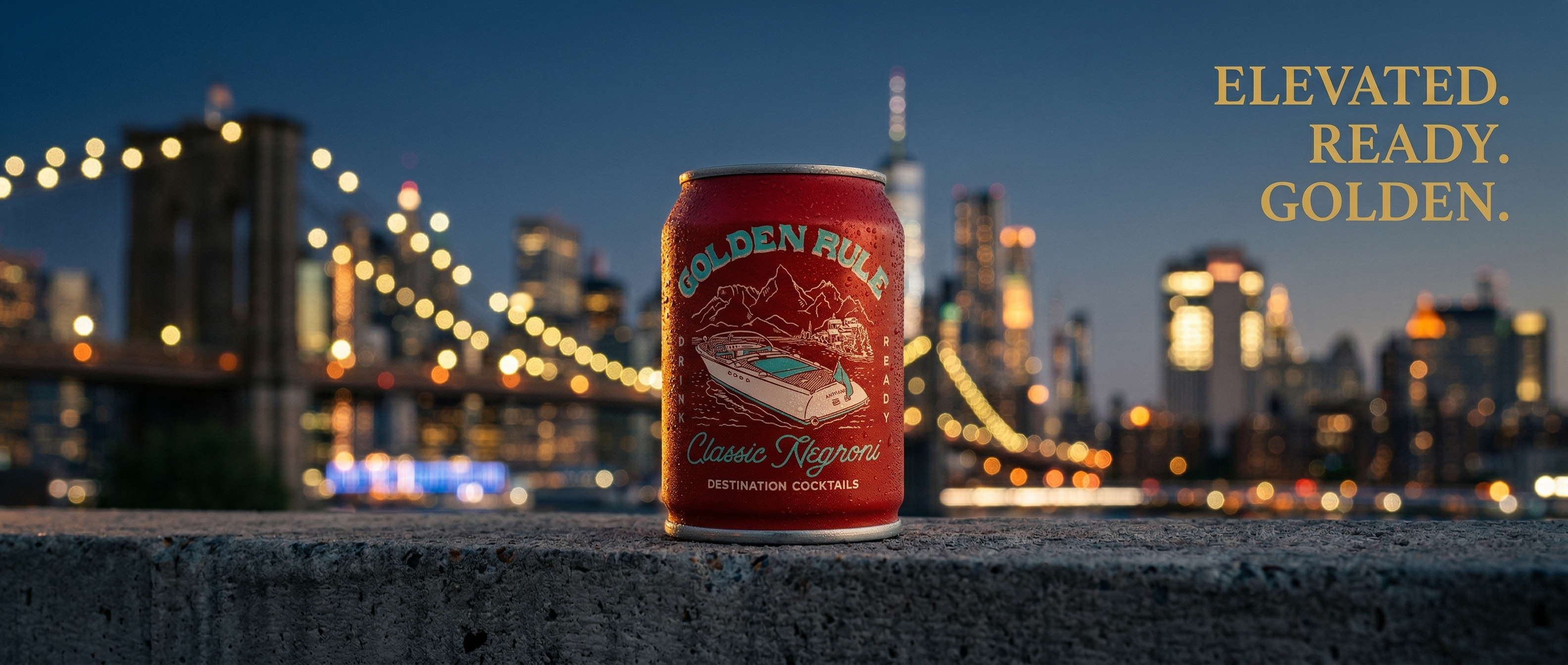
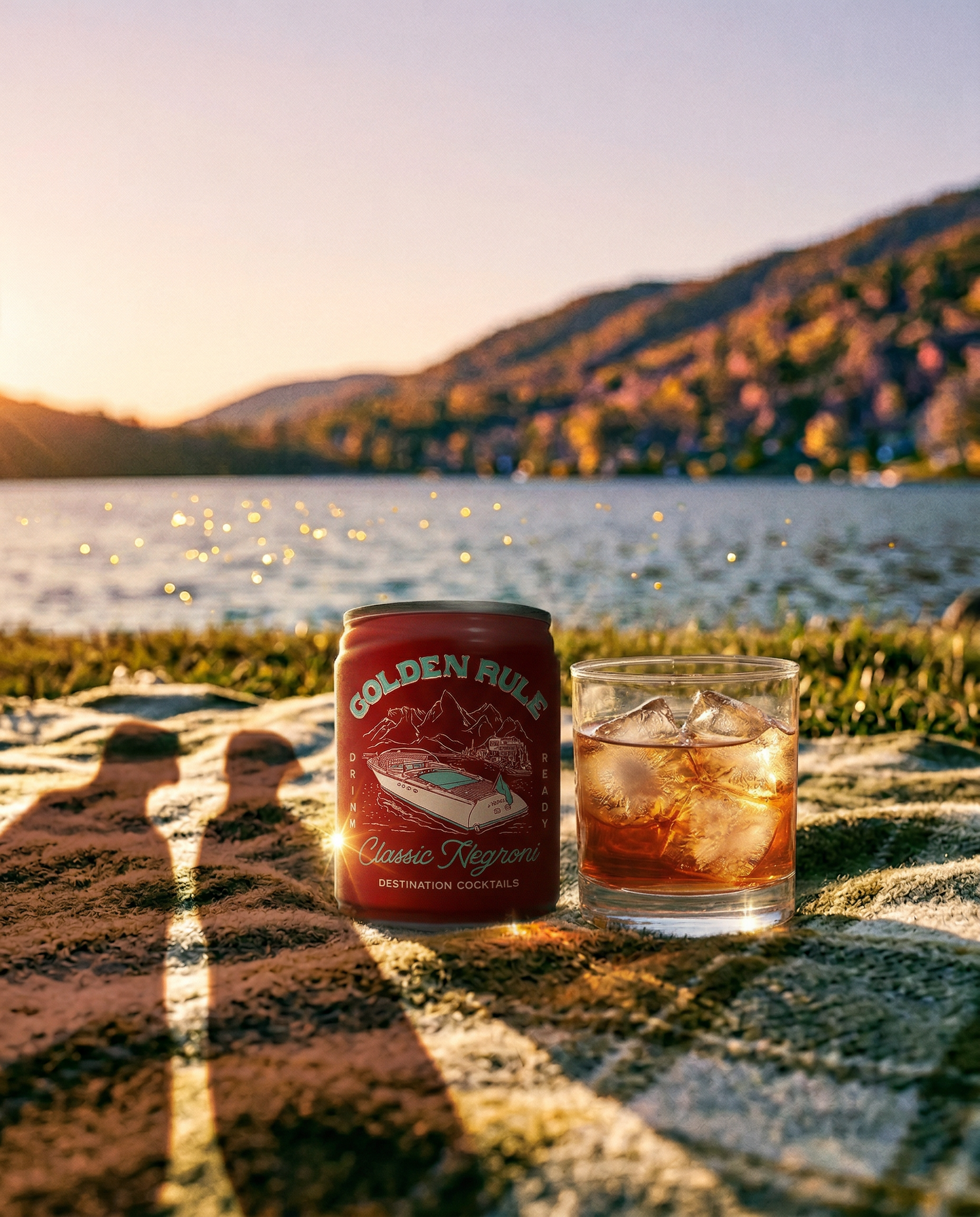
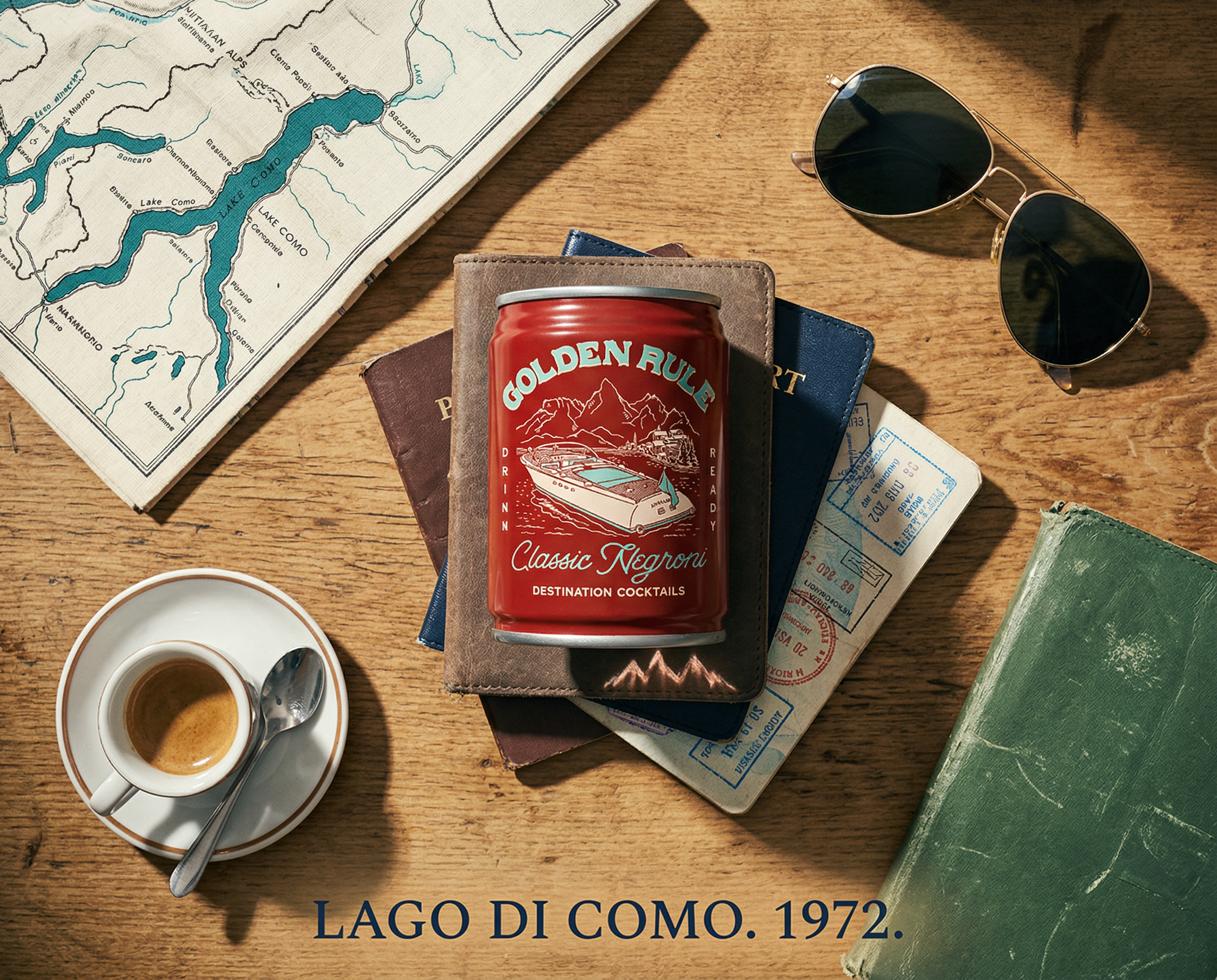
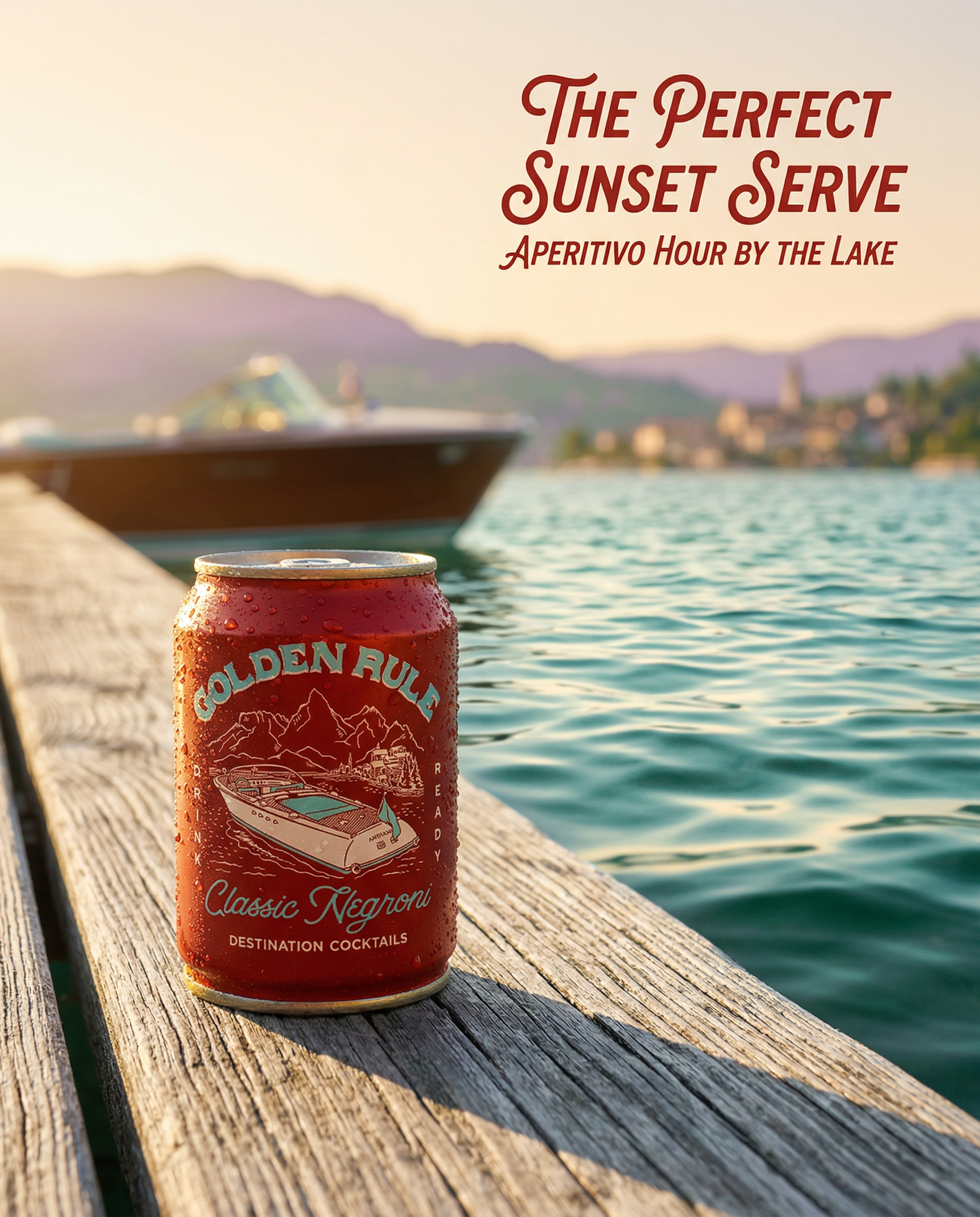
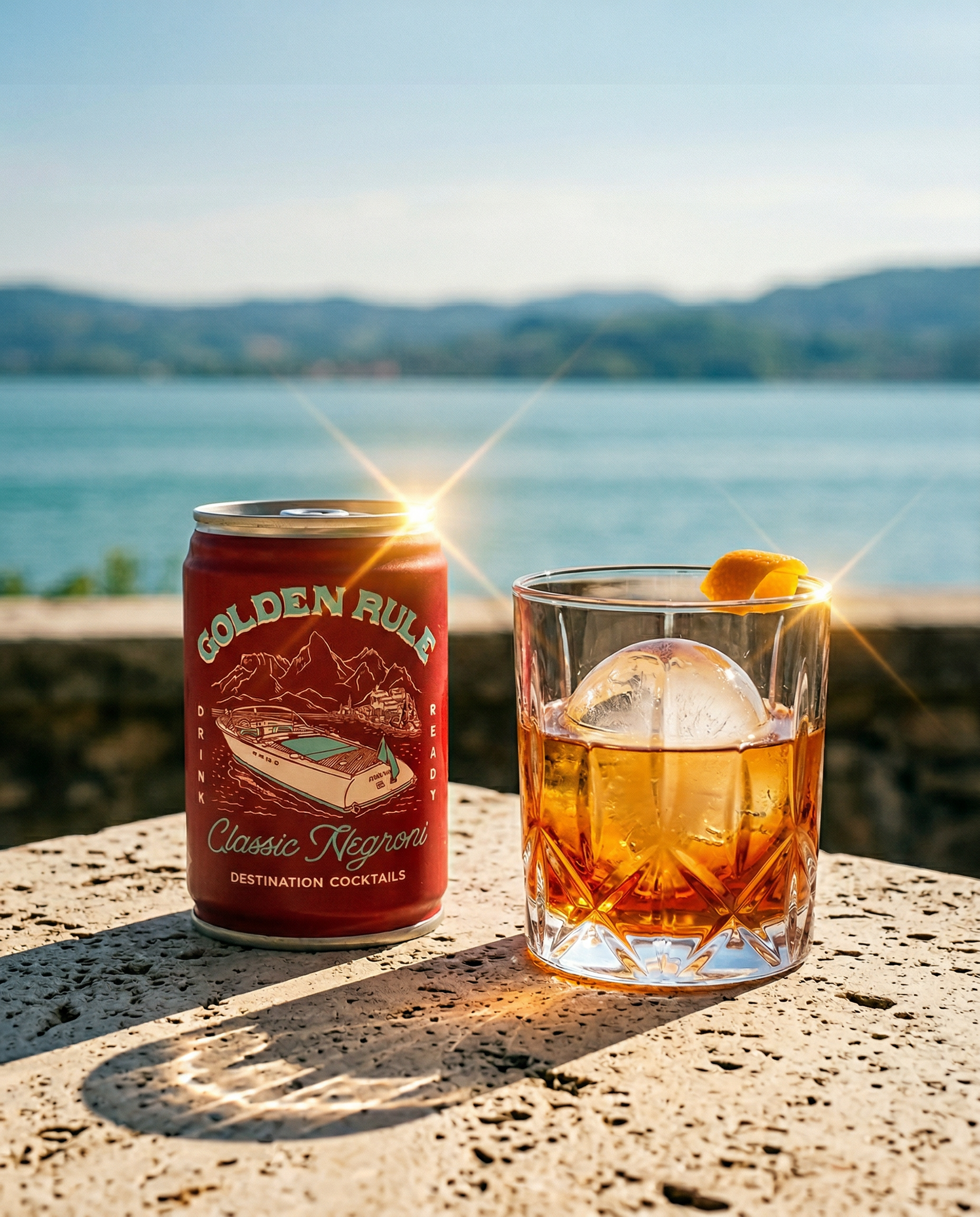
Premium beauty hero imagery — produced as indie beauty brand product photography for Sephora launch, color-matched to the physical product.

Indie beauty brand product photography for Sephora launch — Golden Rule premium beauty hero on retail-grade lighting

Hero composition for a premium beauty brand · produced in 48 hours · zero studio time

Sephora and Ulta do not need one photo per SKU — they need thirty

The first time a founder reads through the actual asset request from a beauty specialty buyer, the math gets uncomfortable. A single SKU launching into Sephora's beauty floor — let's say a single shade of foundation — typically requires somewhere between thirty and sixty distinct image deliverables. Hero on white. Hero with packaging. Packaging closed. Packaging open with the cap and the wand. Swatch on at least three skin tones for color cosmetics. Texture or ingredient hero close-up for skincare. Lifestyle in-context for the dot-com carousel. Application in motion. Scale reference next to a hand. Endcap fixture artwork. GWP gift-with-purchase card design. The sampling FSI artwork that goes inside Sephora's Beauty Insider birthday box.

Multiply that by twelve foundation shades, plus a primer, plus a setting spray launching alongside, and the asset count for a single retailer reset crosses four hundred frames. That is the number the buyer's email did not break out, and it is the number your existing studio quoted six weeks against. They were not lying. Six weeks is what a single shoot day model produces when you actually count every frame the retailer will pull through.

Indie beauty brand product photography for a Sephora launch is not photography in the consumer sense — it is a production system that runs against a category-buyer-defined asset matrix. Get the matrix wrong and the buyer requests a reshoot two days before the floor reset, and the launch gets pushed to the next quarterly window. We have seen that conversation more than once. The best AI product photography agency for DTC brands is the one that operates against the matrix from day one, not the photo at a time.

The studio quote is honest. The deadline is honest. The model is broken.

It is worth being precise about why a beauty specialty retail launch breaks a traditional studio. Sephora's beauty buyer typically gives the brand a window of three to four weeks between the launch confirmation and the assets-due date inside Retailer Direct. That window has to absorb every step of the production pipeline — concept, brief, shot list against the current Sephora spec, photographer booking, model booking for swatch coverage, stylist booking, pre-light day, shoot day, brand review, reshoot of rejected frames, retoucher pass, color management to retailer-grade tolerance, and final QA against the asset matrix.

Each of those handoffs costs five to seven days inside a traditional studio model, because they involve coordinating different humans with different calendars and different studio rentals. The booked photographer's next available shoot day is not in 72 hours. The Pantone-trained retoucher's queue is two weeks deep. The reshoot day after the brand review needs new model bookings, because the original swatch models have moved on to their next gig.

Six weeks is what that pipeline actually takes when you stack the dependencies honestly. Three weeks is what the buyer needs. The mismatch is structural, not malicious. AI product photography compresses the pipeline because the bookings, the lighting, the reshoots, and the post pass all collapse into a single production system that produces frames in hours, not shoot days. The full economics of that compression are detailed in AI photoshoot vs studio cost — the short version is that the model that costs six weeks at $80,000 takes five days at a fraction of the cost, and matches the retailer-grade quality bar.

The deeper insight: the brands moving fastest on Sephora launches right now — the indie skincare lines that landed at Sephora Innovation, the color cosmetics brands that won a Beauty Insider feature inside their first quarter — are not picking AI photography because it is cheaper. They are picking it because the retail-buyer cadence is not negotiable, and the studio cadence is. The same dynamic plays out across categories, but it shows up sharpest in beauty specialty retail because the buyer's deadline is non-negotiable.
The asset matrix

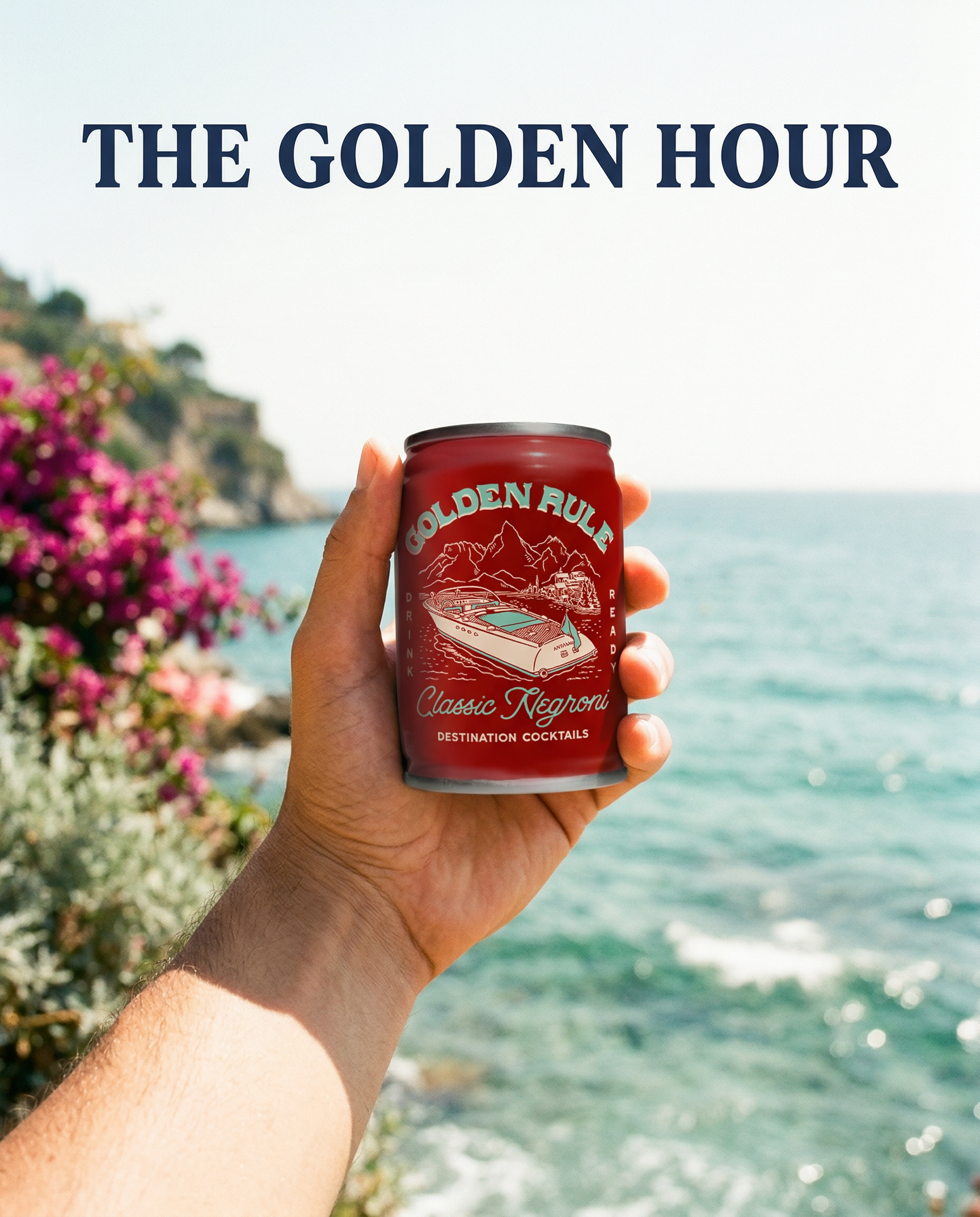
Hero, packaging, ingredient, lifestyle — the full retail asset pack, produced as indie beauty brand product photography for Sephora launch.

The six discipline points of a retail-grade indie beauty photography pack

Beauty specialty buyers reject roughly one in three indie launch packs on the first submission. The reasons cluster predictably. Color drift between the dot-com hero and the physical product. Swatch coverage missing the mid-deep range. Packaging artwork showing the pre-production dieline instead of the final FDA-approved label. Hero composition fighting the retailer's PDP grid. The discipline points below are what separates an asset pack the buyer accepts on first submission from one that costs you the launch window.

01

Color match at Delta E < 3

The signature shade of your product — whether it is a foundation undertone, a serum's amber clarity, or the exact rose-gold of your packaging foil — has to render on screen the way it sits in hand. We Pantone-calibrate against the physical production unit on day one and lock it for the campaign. Customers who receive a product in a color they did not see online return it. Sephora knows this and treats color drift as a category-review-level concern.

02

Swatch coverage across skin tones

Color cosmetics launches that show swatches on a single skin tone get flagged by Sephora's diversity guidelines and lose Beauty Insider feature placement. We produce swatch imagery across the Fitzpatrick scale from a single source product, with the texture, finish, and translucency rendered correctly per shade. Twelve foundation shades across nine skin tones is roughly one hundred frames — same five-day window.

03

Packaging shown open and closed

The flat-lay that wins shelf testing shows the cap on, the cap off, the applicator, the secondary packaging if any, and the brand mark legible at thumbnail. Most studio packs ship a closed-product hero only because the open shot adds a half day of styling. Sephora's PDP carousel privileges the open frame, so missing it costs scroll-depth on the dot-com.

04

Texture and ingredient hero

Skincare PDPs convert on the texture frame more than the bottle frame. The peptide serum needs to look viscous. The retinol needs to look like cream. The vitamin C needs to look stable, not oxidized. Texture and ingredient close-ups are the highest-leverage frame in the pack and the one where AI product photography over-delivers, because the lighting variables that make texture sing are infinitely controllable.

05

Pre-production dieline workflow

Indie beauty timelines almost always have packaging artwork still moving. We start photography from the latest dieline and pre-production mock, lock the composition and lighting, and swap the final FDA-approved artwork in once production samples are ready. That replacement is hours of work, not days. Waiting for final samples is what costs the studio model six weeks; we structure around it.

06

One brand spine across every retailer

Sephora dot-com, Ulta dot-com, Bluemercury, your DTC site, and the Meta paid creative all need to feel like the same brand. Most launches drift because four vendors stitch the season together — brand agency, banner studio, UGC shop, performance freelancer. We hold the brand spine across every surface from the same retainer, the way we do for CPG beauty brands with multi-retailer programs.

Hero. Flat-lay. Swatch. Lifestyle. Ingredient.
Each one a separate craft.

An indie beauty launch pack is not one shot multiplied. The hero, the flat-lay, the swatch, the lifestyle, and the ingredient close-up are five distinct visual disciplines, each judged against different reference points by different people inside the retailer. Sephora's category buyer judges the hero against the floor reset. The dot-com merchandiser judges the lifestyle against the carousel. The Beauty Insider email team judges the seasonal campaign. The diversity board judges the swatch coverage. Missing one of these is a single rejection. Missing two is the launch slipping a quarter.

The discipline below is how we separate the five frames inside the same five-day production window. The shared brand spine is what keeps them feeling like one launch instead of five disconnected shoots.

01

Hero on white & flat-lay

2400×3200 minimum, sRGB, 80–90% frame fill, no shadow stretch, packaging legible at thumbnail crop. The frame the buyer sees first inside Retailer Direct.

02

Swatch & texture

Full Fitzpatrick coverage for color cosmetics, viscous-versus-thin texture rendering for skincare, calibrated under Sephora's reference lighting profile.

03

Lifestyle, OOH & campaign

Carousel frame for the retailer dot-com, endcap fixture artwork, GWP card, sampling FSI, and the Beauty Insider email hero — one brand spine, every surface.

The four reasons Sephora sends the pack back

The first-submission rejection rate for indie beauty launches at Sephora and Ulta sits around thirty to forty percent. The rejection reasons cluster in four buckets, and every one of them is preventable when the production system is structured around the buyer's evaluation criteria from day one.

The first is color drift. The hero on the dot-com does not match the physical product the buyer pulled from the production sample box. The visible undertone of the foundation reads cooler on screen than in hand. The amber clarity of the serum looks orange. The rose-gold packaging foil reads pink. We solve this with the calibrated Pantone reference and Delta E under 3 verification on every frame.

The second is incomplete swatch coverage. A color cosmetics launch with swatches on three skin tones when the line spans nine. A foundation range with the four lightest shades shown and the five mid-deep shades missing. Sephora's diversity guidelines have hardened in the last 24 months and this is now a category-review-level rejection, not a request for additions.

The third is packaging artwork lag. The flat-lay shows the dieline mock instead of the final FDA-approved label. The text on the secondary packaging is the previous version. The barcode is missing. We structure around this with the dieline-then-final-swap workflow described above, and we build a 24-hour replacement lane for last-minute regulatory text changes.

The fourth is brand drift across surfaces. The Sephora hero, the Ulta hero, the DTC PDP, and the Meta paid creative do not feel like the same brand because four vendors built them. The buyer cannot flag this directly inside Retailer Direct, but it shows up in the soft-launch reception and in the second-quarter category review where the brand's dot-com performance gets compared to the cohort. The fix is one team holding the brand spine — which is the model behind our creative agency for CPG beauty brands across the full retainer, including the 48-hour revision SLA on every revision request that comes back from the retailer.

From the buyer's email Friday to first delivery Wednesday

The shape of an indie beauty Sephora launch engagement is built around the retailer's calendar, not ours. Most launches start with a discovery call inside 24 hours of the buyer email. We pull the current Sephora spec from Retailer Direct, the asset matrix the buyer attached, the launch SKU list, and the brand's existing photography to assess what is reusable and what needs new production. By end of day Monday we have a brief, a shot list mapped to the matrix, and a Pantone reference plan against the production samples.

The production sample arrives Tuesday. We measure the signature color under Sephora's reference lighting profile, calibrate the campaign palette, and start the first-frame renders. The first delivery — typically the hero pack and a representative swatch coverage frame — lands in the brand's hands by end of day Wednesday. That five-day arc from Friday email to Wednesday delivery is the unlock that lets the brand return to the buyer with a confident on-time response while the rest of the matrix completes inside the original three-week window.

Inside that engagement, the same named senior team carries the brand from the Sephora hero through the Meta paid creative through the Beauty Insider email. No vendor handoffs, no brand-spine drift. The retainer covers the full pack — PDP, swatch, lifestyle, ingredient, OOH, endcap, GWP, and the seasonal paid creative — with a 48-hour revision SLA on every retailer feedback round. For brands launching multi-retailer programs across Sephora, Ulta, and Bluemercury simultaneously, the model scales by SKU count, not by retailer count. The architectural detail behind that scaling sits inside our anchor positioning page, which covers the full DTC application across categories.

Frequently asked
questions

What is indie beauty brand product photography for a Sephora or Ulta launch?

It is the specific asset pack a retail buyer expects when an indie beauty brand confirms a Sephora, Ulta, Bluemercury, Credo, or Space NK launch. Hero on white at 2400 by 3200 minimum, flat-lay with packaging shown open and closed, swatch imagery on a representative range of skin tones, lifestyle context for the retailer dot-com, ingredient hero close-ups, and the seasonal campaign treatment that runs at the endcap and on retailer email. We produce the full pack in five business days using AI product photography color-matched to your physical product.

Why does the studio say six weeks when the retail buyer gave us three?

Traditional studios quote six weeks because that is how long it takes to book a photographer, model, stylist, and retoucher; build a shot list against retailer specs; do a pre-light day; shoot; review with the brand; reshoot the rejected frames; and post-produce to retailer-grade tolerance. Each handoff costs five to seven days. The six-week quote is honest; the three-week deadline is also honest. The mismatch is the point. AI product photography compresses the pipeline by removing the booking, lighting, reshoot, and post cycles, which is why a five-day delivery is possible without compromising retail-grade quality.

What does Sephora's PDP imagery actually require?

Sephora.com PDP images need a minimum of 2400 by 3200 pixels, color profile sRGB, white-background hero with the product centered and filling 80 to 90 percent of the frame, no shadow stretching beyond the product footprint, and packaging text legible at the thumbnail crop. Sephora also expects swatch imagery on a representative range of skin tones for color cosmetics, ingredient or texture imagery for skincare, and an in-context lifestyle frame for the carousel. The exact spec lives inside Retailer Direct and changes by category. We build to the current spec and validate before delivery.

How do you handle color accuracy when the product is physical and the photography is AI?

We Pantone-calibrate against the physical product on day one. The brand ships the production unit, we measure it under retailer-grade lighting conditions with a calibrated spectrophotometer, and we lock the signature color for the entire campaign. Every delivered asset is checked back against the physical sample at Delta E under three, which is the threshold below which the human eye does not distinguish difference. If the color drifts on a frame, we remake it before delivery. Returns spike when online color does not match the real product, so we treat color accuracy as pass-fail.

Can you deliver swatch imagery on a representative range of skin tones?

Yes, and this is one of the highest-leverage areas where AI beauty photography outperforms a single shoot day. Booking five to nine models across skin tones for a swatch shoot is a logistical exercise that adds two weeks and twenty thousand dollars. We produce swatch imagery across the Fitzpatrick scale from the same source product, with the swatch behavior, texture, and finish rendered correctly per shade. For an indie beauty brand launching twelve foundation shades into Sephora, that is roughly one hundred swatch frames delivered inside the same five-day window.

Do you produce the OOH, endcap, and retailer email creative as well?

Yes. The retail launch is rarely just PDP imagery. Sephora endcap graphics, Ulta gondola panels, GWP card design, FSI sampling artwork, the Sephora Beauty Insider email hero, and the retailer-specific paid social all run on the same brand spine. We produce the full creative pack inside the retainer so the visual story holds from the retailer dot-com to the endcap to the retargeting ad on Meta. The juggling-act answer where four vendors stitch the season together is what creates the brand drift retail buyers comment on at category review.

What if our packaging artwork is still being finalized when we need to start photography?

This is the rule, not the exception, on indie beauty timelines. We start with the latest dieline and pre-production mock, lock the photography composition and lighting, and swap the final artwork in once production samples are ready. That replacement is hours of work, not days, because the underlying scene is built once and the dieline is treated as a separate variable. Most of our beauty engagements run this way. The alternative is waiting for final samples, which is what costs the studio model six weeks.

How do you price an indie beauty retail launch package?

We price by retainer, not per asset, because beauty retail launches generate three to five rounds of feedback from the retailer category buyer that no per-asset price model survives. A typical indie beauty launch retainer covers the full asset pack — hero, flat-lay, swatch, lifestyle, ingredient, packaging, OOH, endcap, GWP, and the seasonal Meta and Sephora dot-com paid creative. Five-day delivery on the initial pack, 48-hour SLA on revisions, and the same named senior team across the season. The retainer scales by SKU count, not by photo count.

Three weeks.
Five-day delivery.
Sephora-grade pack.

Stop telling the buyer you need an extension. Indie beauty brand product photography for a Sephora or Ulta launch — flat-lay, swatch, lifestyle, ingredient, hero — produced in five business days, color-matched to your physical product, retainer-priced.