
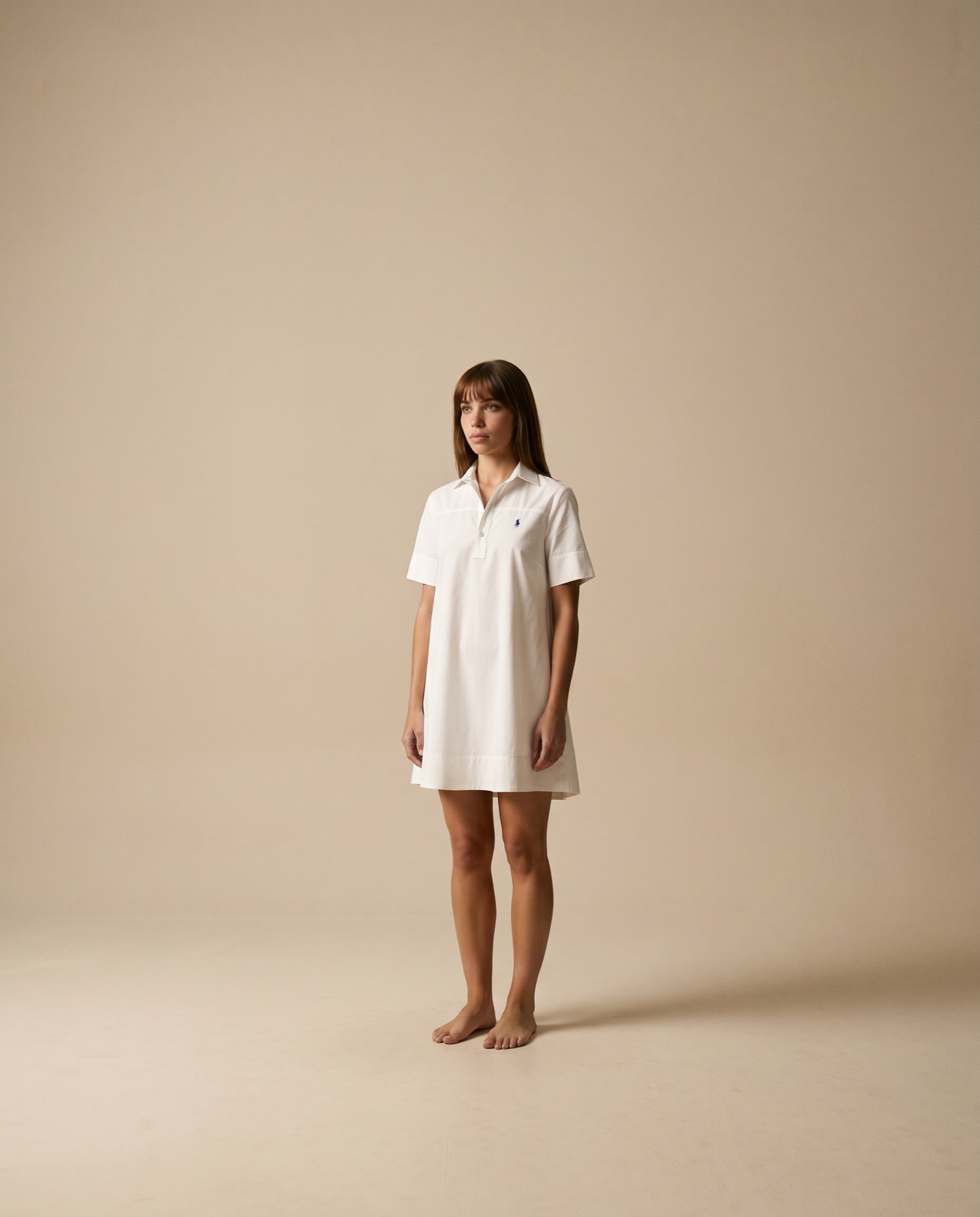
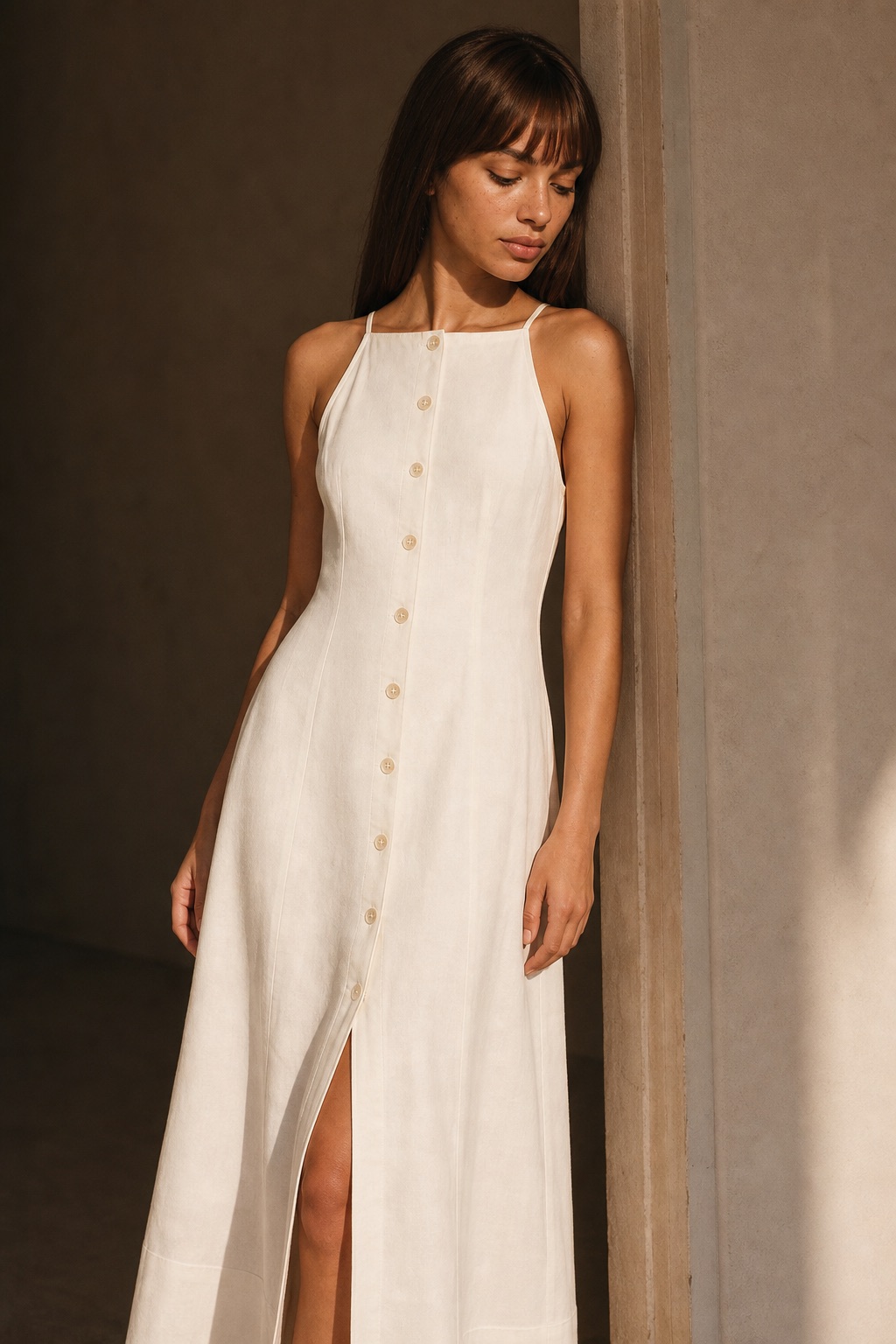

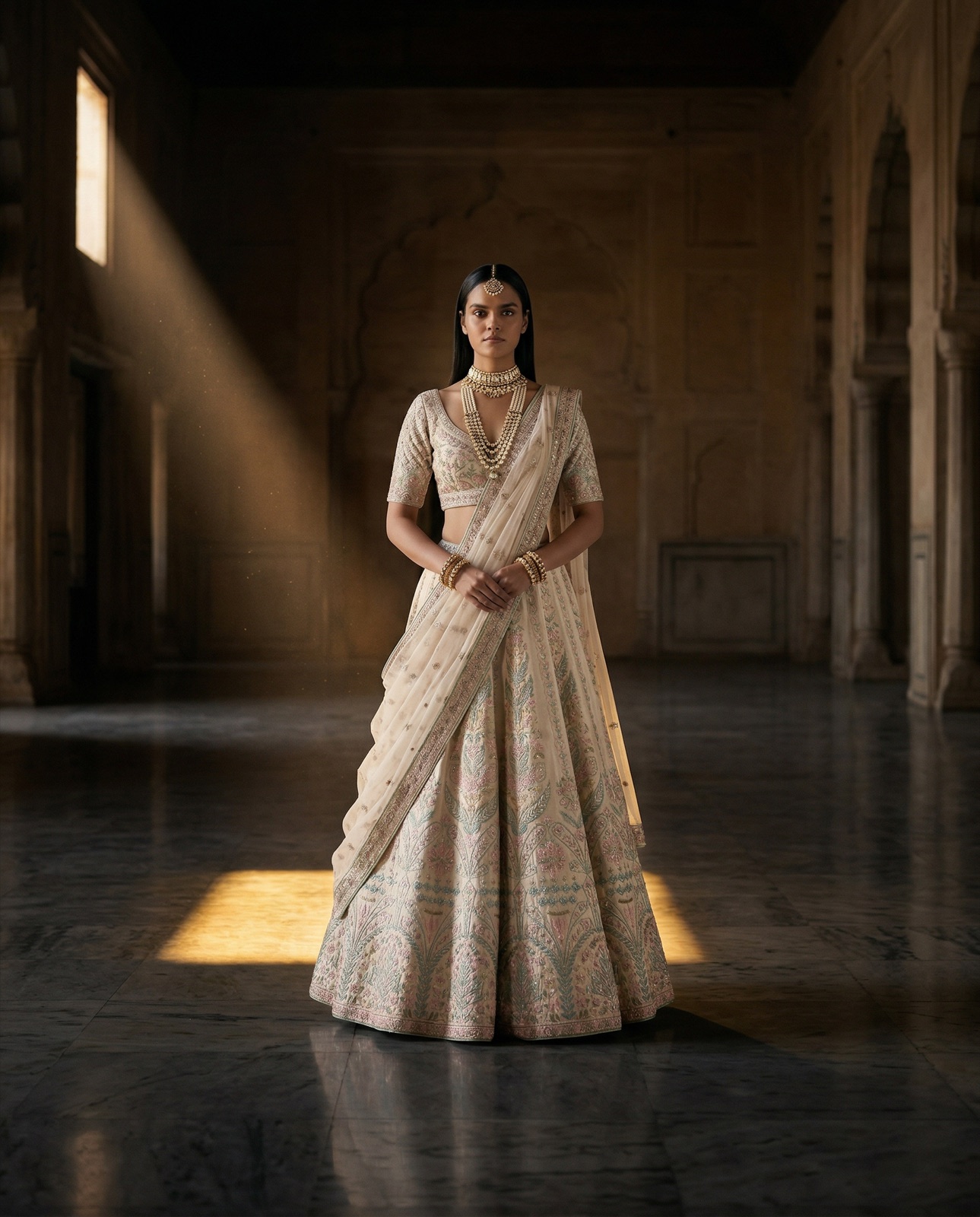
It is the second week of August. The September show is locked, market week follows it, and the appointments with the Nordstrom, Saks and Bloomingdale's buyers are already on the calendar. The founder of a Garment District contemporary label opens the shared drive and finds the season living in four incompatible folders. The campaign hero came back from a named photographer in Tribeca — gorgeous, warm, shot at golden hour. The lookbook came off a different shooter in a Bushwick studio, cooler, flatter, a different model. The e-commerce frames came off a Long Island City product house on a clinical white sweep. The social content is iPhone frames the social lead pulled together over a weekend. Four vendors, four colour profiles, four versions of the brand. The buyer who walks the showroom next week is going to read all four.
This is the structural problem with the New York freelance stack. The talent is the best in the country, but every freelancer is a separate brand voice, and the brand director becomes the only person holding the spine — between five invoices, five approval threads and five calendars, during the single most compressed two weeks of the fashion year. The campaign that cost forty thousand and the lookbook that cost thirty do not add up to one brand world. They add up to a press kit the creative director quietly apologises for and a Saks brand page that undersells the price point the campaign worked so hard to set.
An apparel creative agency built as one unit solves the fracture at the source. One brand-spine document. One casting frame. One colour register held across campaign, lookbook, editorial, showroom and feed. The buyer reads the campaign world reproduced in the linesheet. The press editor pulls a frame that matches the dot-com. The customer who saw the NYFW post lands on a product page that looks like the same brand. The fracture was never a talent problem. It was an architecture problem, and the architecture is a single spine.