Apparel · US campaign production

Apparel campaign photography in the USA, without the New York day-rate.

Apparel campaign photography in the USA is the signature seasonal imagery that sets your price point in a single frame — the hero that runs as a homepage takeover on Revolve or Shopbop, the editorial the buyer at Nordstrom or Saks flips through, the launch frame your founder pushes as the first paid prospecting unit. For most American brands the problem is not ambition; it is the math. A one-day campaign shoot in New York or Los Angeles lands between forty and one-hundred-forty thousand dollars all-in and buys a single day against thirty to sixty usable frames — and that one day still has to feed a dot-com, a wholesale deck, a Klaviyo flow and paid social across four placements. We produce the same campaign surface as a brand-world studio: hero, lookbook, editorial and cutdowns, composed against one documented brand spine, at a fraction of the studio cost and shipped in days. From American contemporary labels at the Veronica Beard and Reformation tier to heritage and elevated-basics brands in the Ralph Lauren register, the campaign is the surface where the brand is either established or quietly underpriced.

By Abhi Chawla, founder · Last updated: 2026-06-19

Campaign reference

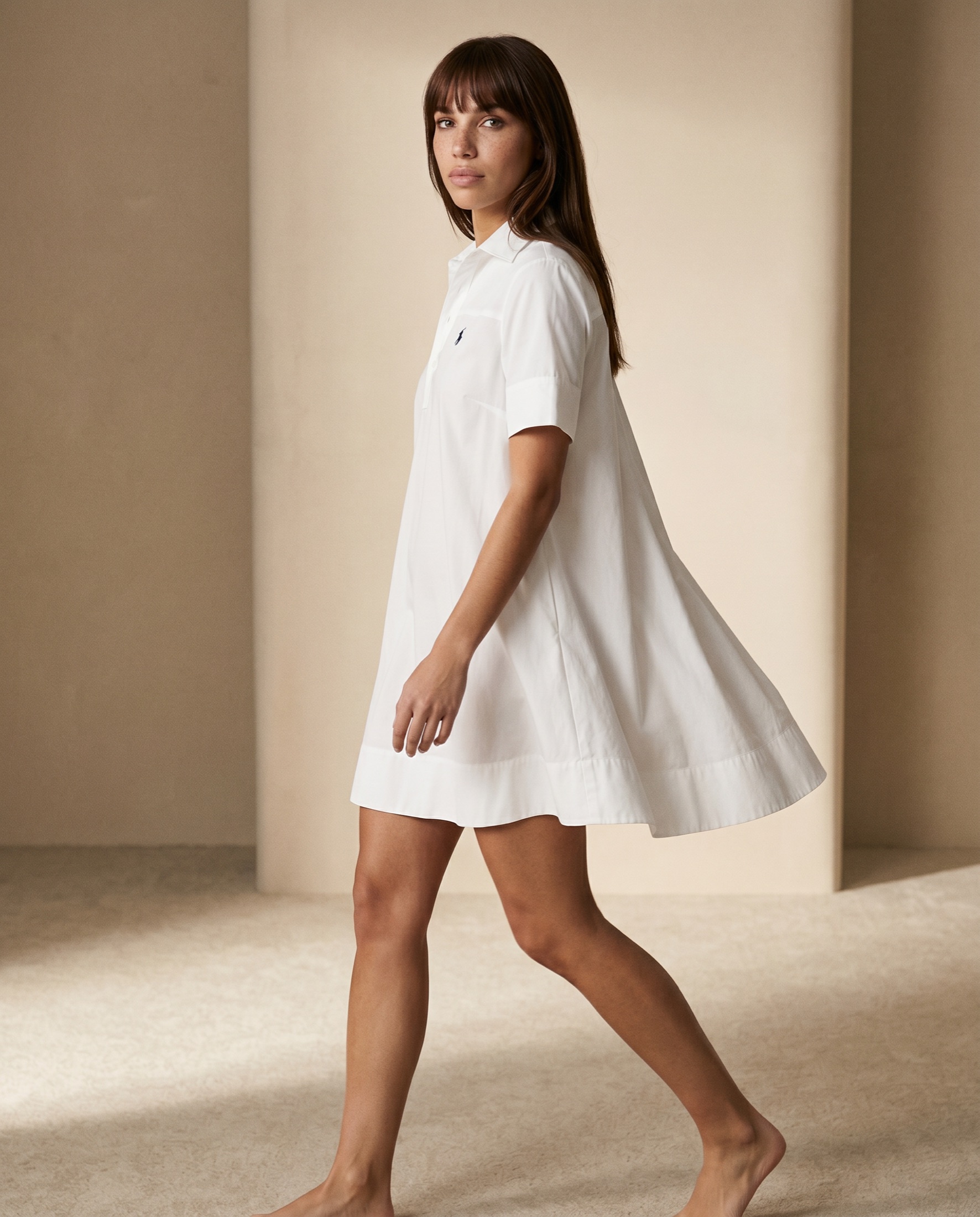
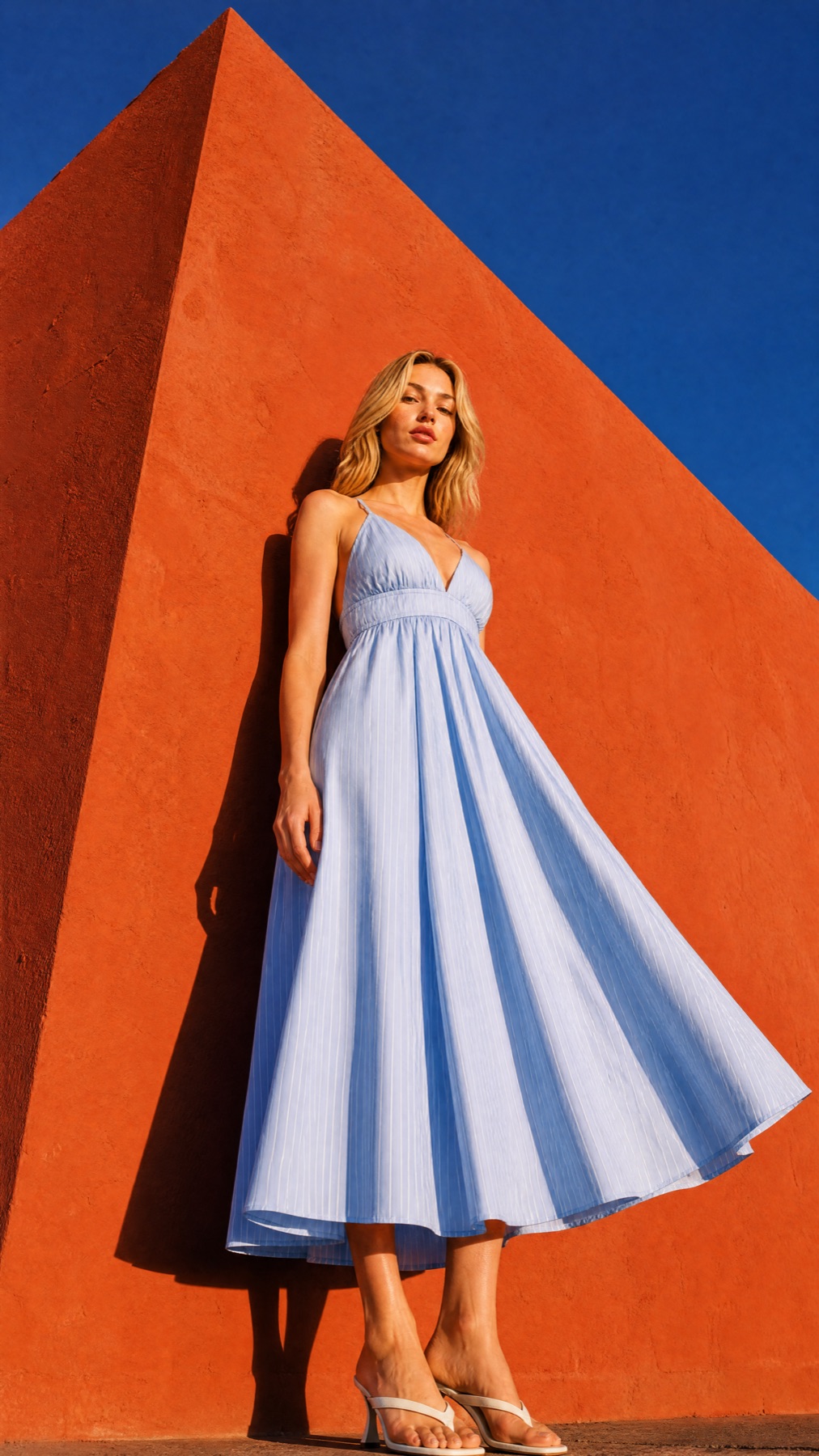
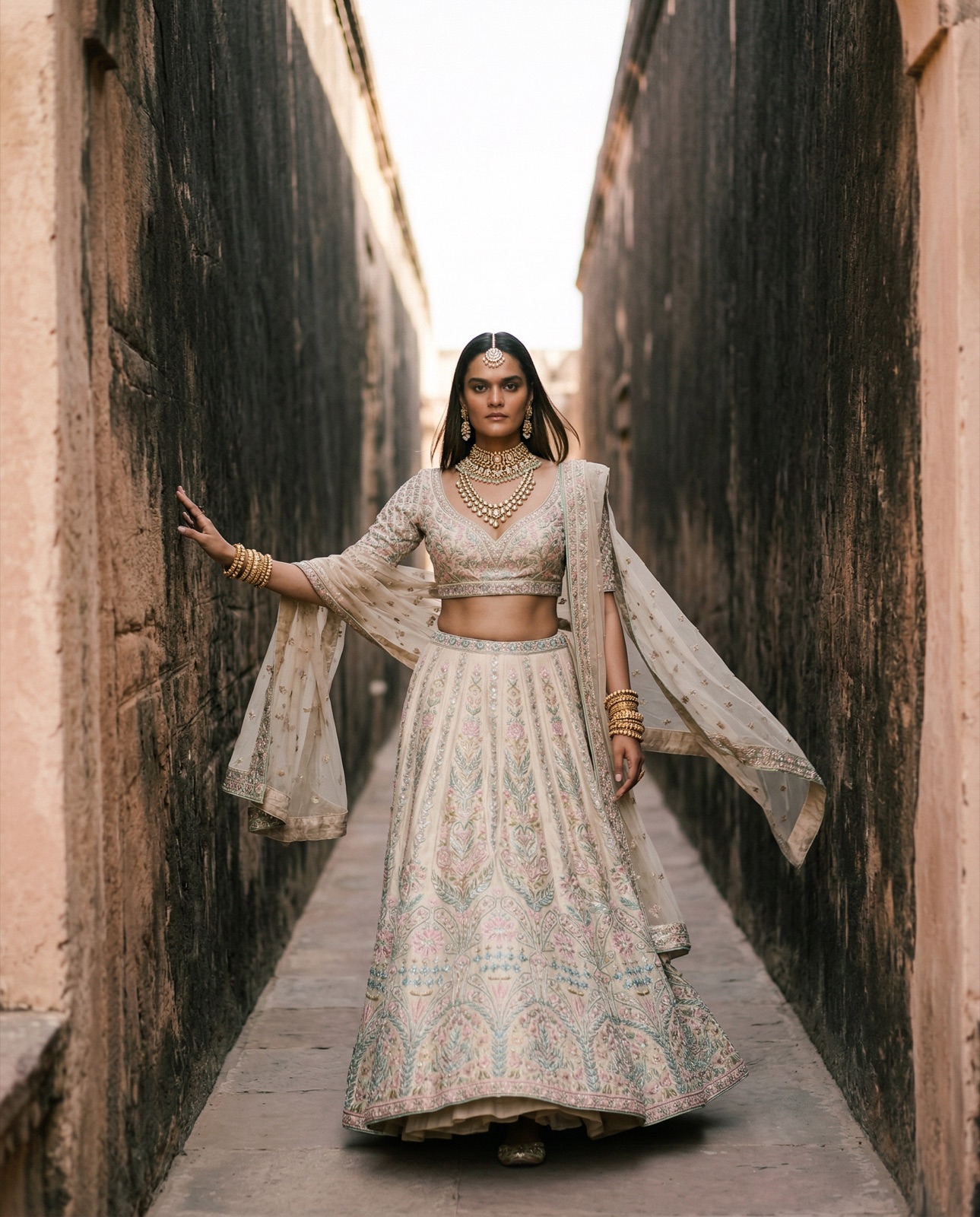
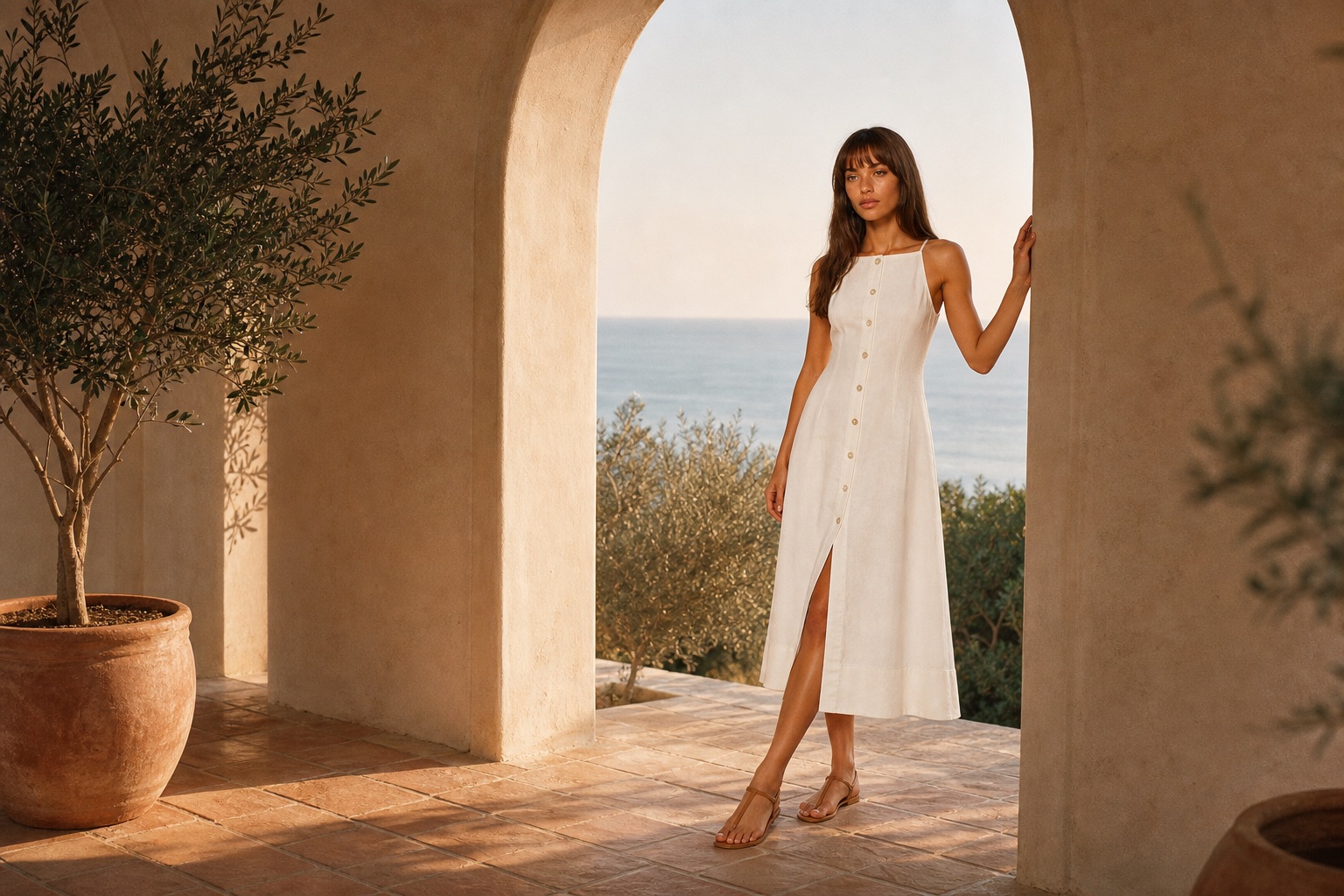
One American brand world, one model identity, the full campaign surface — produced as apparel campaign photography.

The campaign you can see, at a number you can't approve.

It is Monday and the production estimate is in the inbox. The brand director at a US contemporary label running four drops a year asked three NYC studios and one freelance photographer with a great Instagram to bid the spring campaign. The lowest number is forty-two thousand for one day. The highest, with a location in Montauk and a two-day hold, is one-hundred-thirty-one. The deck is beautiful. The mood board is exactly right. And the founder, who has seen the brand grow from a Shopbop pickup to a Nordstrom brand-page placement, looks at the number against a spring inventory buy that is already committed, and asks the question every US apparel founder asks at this moment: does the campaign have to cost more than a season's worth of fabric?

The number is real and the studios are not gouging. A New York or Los Angeles campaign day is genuinely expensive — union-adjacent crew rates, model day-rates with usage that compounds across placements, a Garment District or DTLA studio hold, hair and makeup, a stylist with two assistants, casting, catering, and a post queue that runs two to three weeks behind the shoot. What the founder is actually balking at is not the craft. It is the structure: a single day, sixty frames if the light cooperates, and a campaign that then has to stretch across the dot-com hero, the wholesale deck the buyer at Saks expects, the Klaviyo welcome flow, four paid placements and a press kit. The day is the cheap part. The reshoot — when the hero does not crop to nine-by-sixteen, or the buyer wants a cleaner editorial frame — is where the second forty thousand goes.

This is the gap a brand-world studio closes. Not by being a cheaper photographer, but by producing the campaign as a documented system rather than a calendar day. The hero, the lookbook, the editorial and the cutdowns are composed against one brand spine, shipped in days, and delivered cropped to every channel the campaign has to live on. For a US brand the math finally closes — and the campaign ships with the drop instead of three weeks after it. The same logic runs through our campaign studio for US fashion labels, where the cost case is laid out frame by frame.

What "campaign-grade" means across the US apparel landscape.

Apparel campaign photography means something different at each tier of the American market, and a studio that does not know the difference produces a generic look the buyer can smell. At the top, heritage and elevated-American labels — the world Ralph Lauren defined and brands like Buck Mason and Todd Snyder operate in — need restraint: clean studio backdrops, garment-accurate clarity, a single hero garment carrying the frame, the negative space that reads as quality on a Neiman Marcus brand page. The campaign here is not loud. It is precise. The frame has to survive being printed in a wholesale linesheet and run as a homepage takeover in the same week without either context exposing it as wrong.

In the contemporary-womenswear middle — American labels at the Veronica Beard, Reformation, STAUD and Cleobella tier that sell through both their own dot-com and a Revolve or Shopbop wholesale relationship — the campaign carries more editorial weight. Architectural color, location energy, a model identity the customer follows from the campaign hero into the feed. This is the tier that lives or dies on NYFW-adjacent press timing and on the seasonal homepage real estate that Revolve and Shopbop allocate to brands whose imagery earns it. The campaign frame has to be good enough that the retailer's merchandising team chooses to feature it.

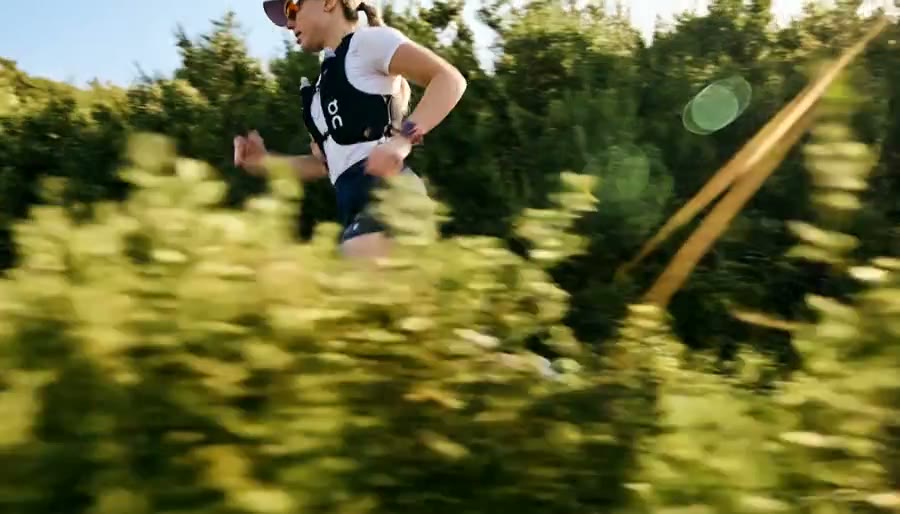
At the DTC and lifestyle end — the Los Angeles content-velocity world of activewear, elevated-basics and direct-to-consumer brands at the Cuyana, Vuori and Cuts register, plus the Miami resort and swim labels working a Swim Week cadence — the campaign has to do double duty as paid-social fuel. The hero is also a Reels stop-scroll; the editorial is also a carousel; the lifestyle layer is also the UGC-adjacent feed depth that holds CAC down between drops. We produce all three registers off one spine. The mechanics of the funnel — hero down to feed — are detailed in our drop campaign photography breakdown for brands shipping on a monthly cadence.

One campaign shoot, the whole US asset stack.

A US campaign is not one frame — it is a stack, from the hero that sets the price point down to the feed depth that holds it. Click each stage to see what ships, and what it costs a US brand to produce it the traditional way versus off one spine.

The campaign hero — the frame that sets the price point

One signature frame per season composed against the brand spine. It runs as the dot-com homepage takeover, the first paid prospecting unit, the press-kit lead and the brand-page hero on Nordstrom, Saks or Revolve. Traditionally this is the forty-to-one-hundred-forty-thousand-dollar shoot day. Off one spine, it ships in days as the apex of a full stack, not a standalone invoice.

The three ways US apparel brands buy campaign imagery right now.

Tier 1

The NYC / LA studio day

Forty to one-hundred-forty thousand all-in for one day — crew, casting, model usage, Garment District or DTLA studio hold, glam, stylist, post. Excellent craft inside the day; thirty to sixty usable frames; a two-to-three-week post queue and a reshoot risk when the hero does not crop to every channel. Works for the brand with one tentpole a year and a budget that absorbs it. Breaks for the four-drop calendar most US contemporary and DTC brands actually run.

Tier 2

The freelancer + the UGC stack

A great-feed freelance photographer for the hero at eight to twenty-five thousand, plus a UGC pack and a content-creator deal to fill the gap. Cheaper in line items, expensive in coherence: the hero reads as one brand, the UGC reads as twelve. The buyer at Bloomingdale's sees the seams on the brand page. The customer registers the color-temperature shift before she reads the caption. Volume goes up; the brand world quietly comes apart.

100 Creatives

The brand-world studio

The full campaign stack — hero, lookbook, wholesale editorial, paid cutdowns and feed depth — composed against one documented brand spine, shipped in days, delivered cropped to every US channel. A fraction of a single studio-day budget, and the next drop ships against the same spine without re-onboarding. The buyer and the customer see one label. The founder keeps the spring inventory buy intact.

Why shipping in days, not weeks, changes the US calendar.

The traditional US campaign calendar runs six to ten weeks: casting and callbacks, sample trafficking across coasts, studio holds booked around a photographer's calendar, a weather window if there is a location, then the post queue. For a brand on an annual tentpole that is fine. For a US brand on a monthly or six-week drop cadence — which is most DTC, most LA lifestyle, most contemporary labels feeding both a dot-com and a Revolve relationship — that calendar means the campaign ships weeks after the inventory it is meant to sell already landed in the warehouse. The drop goes live on product-on-white because the campaign was not ready, and the launch week, the highest-intent window of the cycle, runs without the imagery that was supposed to define it.

Producing the campaign as a brand-world studio collapses that window. The brand spine is ingested in the first working session — color register, light direction, named environments, casting identity, negative-space ratio. The hero and supporting registers are composed against it, a first pass ships for review, the brand director flags against the spine, and the finished stack lands cropped to every channel. The launch week runs with the campaign live, the wholesale deck ready for the buyer appointment, and the paid units in-platform before the first prospecting dollar spends. For a US brand the speed is not a convenience — it is the difference between a campaign that defines the drop and a campaign that documents it after the fact.

Speed compounds across the year. A US brand running four drops produces four campaign stacks off the same spine, each ingesting faster than the last because the spine is already documented. The fourth campaign of the year ships in a fraction of the first one's calendar. This is the operating advantage a single studio holds over a stack of freelancers re-briefed every season, and it is the spine our apparel creative agency for the USA is built on — one documented brand world feeding every campaign the label ships.

The campaign that has to satisfy both the buyer and the feed.

The American apparel brand that is scaling almost always lives in two worlds at once. On the DTC side, the campaign is paid-social fuel and dot-com real estate — it has to stop the scroll, hold the save, and survive being cropped to four-by-five, nine-by-sixteen and one-by-one without losing the frame. On the wholesale side, the same campaign is what a buyer at Nordstrom, Saks, Bloomingdale's or Neiman Marcus uses to decide whether the brand earns the brand-page placement and the floor space — and it is the cover of the linesheet the sales team carries into the appointment. These are different standards, and a campaign produced for one rarely satisfies the other. The Reels-native hero looks thin on a Saks brand page; the precise wholesale editorial looks static in the feed.

Producing both off one brand spine is the resolution. The hero is composed so it carries the editorial weight a buyer expects and crops to the paid placements the feed needs. The lookbook tier serves the linesheet and the dot-com module from the same season's frames. The brand reads as one label whether the customer finds it on Revolve or the buyer reviews it ahead of a market appointment. For a US brand pushing from a pure-DTC start into national wholesale — the path most contemporary labels take after their first profitable years — this single-spine production is what lets the campaign do both jobs without doubling the budget. The full creative system, from identity down to the campaign that expresses it, is mapped in our fashion campaign shoot breakdown.

The wholesale standard also disciplines the work. When the campaign has to satisfy a buyer at Neiman Marcus, the craft floor rises — garment accuracy, color fidelity to the actual fabric, the restraint that reads as a brand worth a price point. That floor benefits the DTC side too. The customer who saves a campaign frame that meets the wholesale standard is saving a frame that signals quality before she reads the price. The campaign that satisfies the buyer is the campaign that converts the customer.

Apparel campaign photography USA · frequent questions

What is apparel campaign photography for a US brand?

Apparel campaign photography is the signature imagery that sets the price point and the world of a US fashion brand for a season — the hero frame that runs as the homepage takeover on Shopbop or Revolve, the editorial spread the wholesale buyer at Nordstrom or Saks flips through, the launch frame the founder runs as the first paid prospecting unit. It is the layer that tells the American customer what kind of brand this is before she reads a single product name. A brand-world studio produces it composed against one documented brand spine so the hero, the lookbook and the feed all read as one label rather than three different shoots stitched together.

What does a campaign shoot cost in New York or Los Angeles right now?

A single-day campaign shoot in New York or Los Angeles for a brand at the emerging-contemporary tier typically lands between forty and one-hundred-forty thousand dollars all-in — photographer day-rate, first assistant and digitech, stylist and assistant, hair and makeup, casting and model day-rates with usage, studio rental in the Garment District or a DTLA or Frogtown space, prop and set, catering, and post. Add a location and permits and the number climbs. Most of that spend buys one day against thirty to sixty usable frames. The campaign hero needs to feed a homepage, a wholesale deck, a Klaviyo flow, paid social across four placements and a press kit — and a single day rarely covers all of it without a reshoot.

How is a brand-world studio different from a freelance photographer or a US production agency?

A freelance photographer delivers a look and disappears at wrap; a production agency delivers a deck and a six-figure estimate. A brand-world studio delivers the whole campaign surface — hero, lookbook, PDP-adjacent editorial, paid cutdowns and feed depth — composed against one brand-spine document so every asset reads as the same label across Nordstrom's brand page, your dot-com, and a Reels ad. You are not buying a day of someone's calendar. You are buying a documented production system that ships the season's full asset stack and can ship the next drop against the same spine without re-onboarding.

How fast can you ship a US apparel campaign?

First-pass hero and lookbook frames land in days, not the six-to-ten weeks the traditional calendar runs — casting calls, sample trafficking, studio holds, weather windows, post queues. We ingest the brand spine in the first working session, compose the campaign hero and the supporting registers against it, ship a first pass for the brand director to review, finish on notes, and deliver every frame cropped to channel. For a US brand on a monthly drop cadence that is the difference between a campaign that ships with the drop and a campaign that ships three weeks after the inventory already landed.

Will the imagery look like my brand or like a generic AI house style?

Like your brand. The brand-spine ingestion captures your color register in Pantone-locked sRGB, your light direction in physical units, the named environments your customer recognizes, the model identity locked to your casting, and the negative-space ratio your existing campaign hero is built on. Every frame is composed against that spine. The test on every asset is whether your art director — or the buyer at Bloomingdale's reviewing your brand page — would sign it off without notes. The generic-AI-house-style failure mode is exactly what the brand-spine contract is engineered to avoid.

Does this work for wholesale and US retail buyers, not just DTC?

Yes. The campaign hero and editorial frames are produced to the standard a buyer at Nordstrom, Saks, Bloomingdale's or Neiman Marcus expects on a brand page and a linesheet cover, and the lookbook tier is built so the wholesale deck and the dot-com run off the same season's spine. A US brand pushing into national wholesale needs the campaign imagery to carry both the DTC feed and the retailer's brand-page real estate. Producing both off one spine is the point — the buyer and the customer see the same brand.

What size and type of US apparel brand is the best fit?

US apparel labels running two to four campaigns a year with a small in-house creative team and a feed and wholesale channel that both have to be fed. Sharpest fit: American contemporary womenswear at the Veronica Beard, Reformation, STAUD, Cleobella tier; heritage and elevated-basics labels at the Ralph Lauren-influenced, Buck Mason, Todd Snyder register; LA DTC, activewear and lifestyle brands at the Cuyana, Vuori, Cuts, Reformation sub-tier; and Miami resort and swim labels working a Swim Week and cruise cadence. If your campaign has to set the price point and then carry across DTC, wholesale and paid, the fit is sharp.

How does campaign photography sit alongside the rest of the brand's creative?

The campaign hero is the apex of the asset stack. Beneath it sits the lookbook, the PDP-adjacent editorial, the paid-social cutdowns and the feed-depth lifestyle layer — all composed against the same brand-spine document so the season reads as one world. The campaign sets the price point in one frame; everything beneath it holds the customer inside that price point for the months between drops. A US brand that produces all of it off one spine, with one studio, on one calendar, stops paying the coordination tax of stitching five vendors into one season.

Start the US campaign

Bring us the season. We'll ship the campaign.

If you run a US apparel label — contemporary, heritage, DTC, activewear or resort — and the spring campaign estimate from a New York or Los Angeles studio costs more than a season's fabric buy, send us the brand. We'll ingest the spine, compose the hero and the full asset stack against it, and ship in days, cropped to every channel your campaign has to live on — from your dot-com to a Nordstrom brand page. Send your brand and we'll reply with a plan — abhi@paperkites.co.

Book a US campaign call