For supplement and wellness operators where the hero SKU does 70% of revenue

AG1-style supplement product photography for PDPs that convert.

Your supplement PDP is sitting at 2.1% conversion rate. AG1, Ritual, and LMNT are running above 4%. You have already pulled the obvious copy levers, the urgency banners, the bundled subscribe-and-save, the pricing tests. The needle did not move because the photography is the gap.

Supplement product photography for a high-converting PDP is the controlled-studio visual language category leaders use — signature-color backdrop instead of pure white, one dominant directional light, the canister or stick rendered with material truth, ingredient pillars treated as their own hero imagery, and a sculpted dosage gesture that turns the SKU into a daily ritual. We produce that pack for your hero SKU in five business days, calibrated against the physical product at Delta E under 3, and we push it into your Meta and TikTok creative inside the same retainer.

Last updated: 2026-05-09

Reference frame

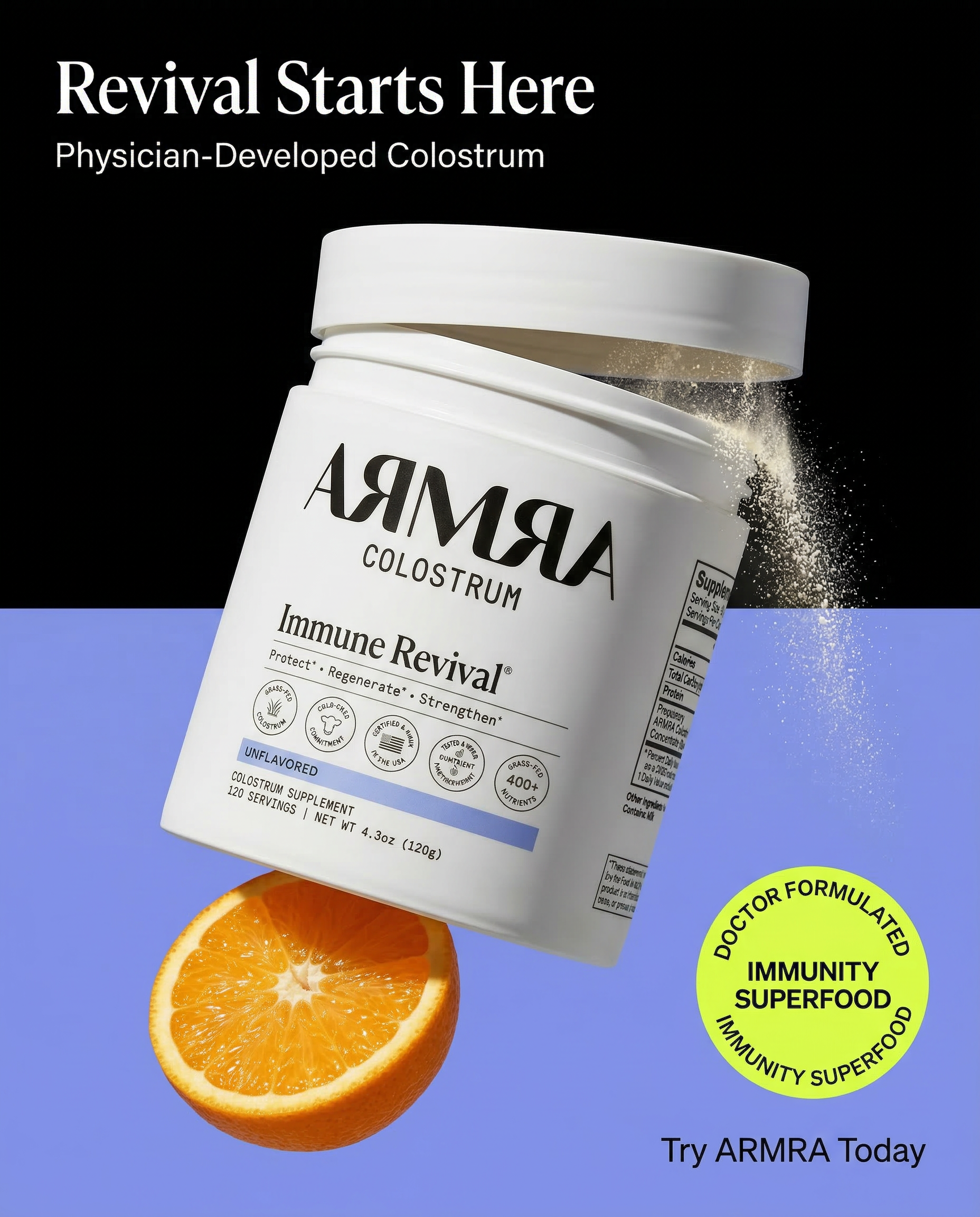
Editorial-grade jar imagery — produced as AG1-style supplement product photography, calibrated to the physical sample under Delta E 3.

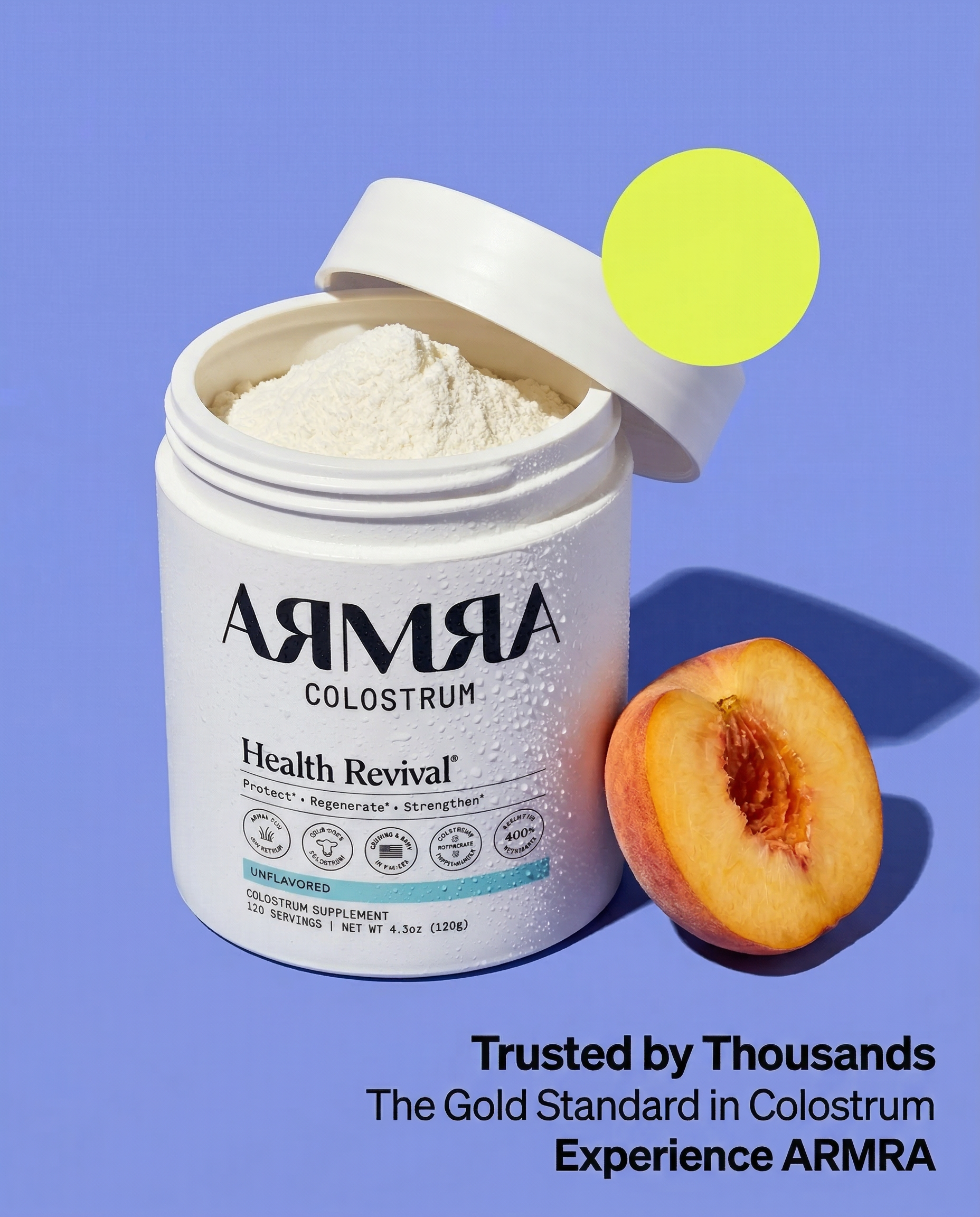
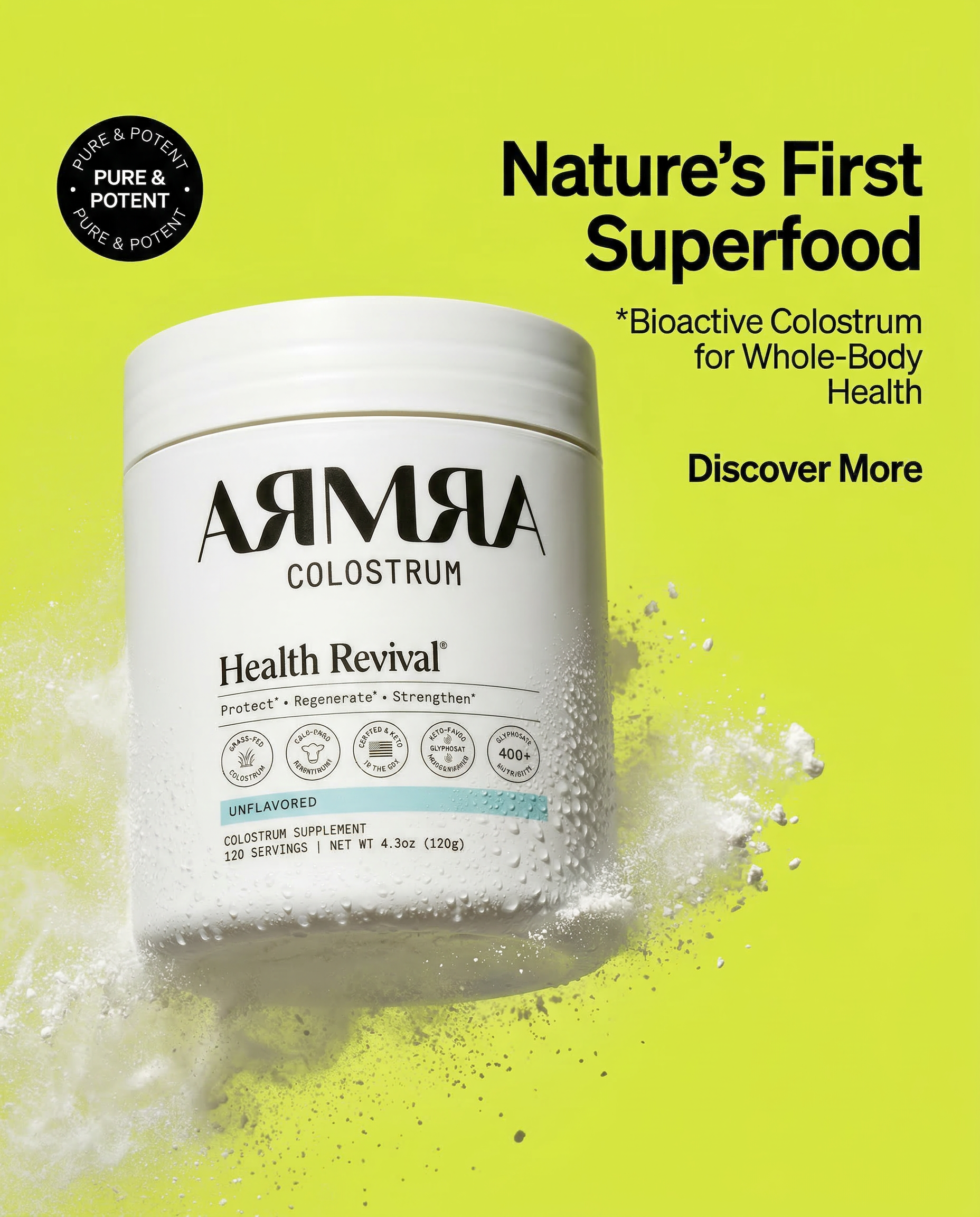
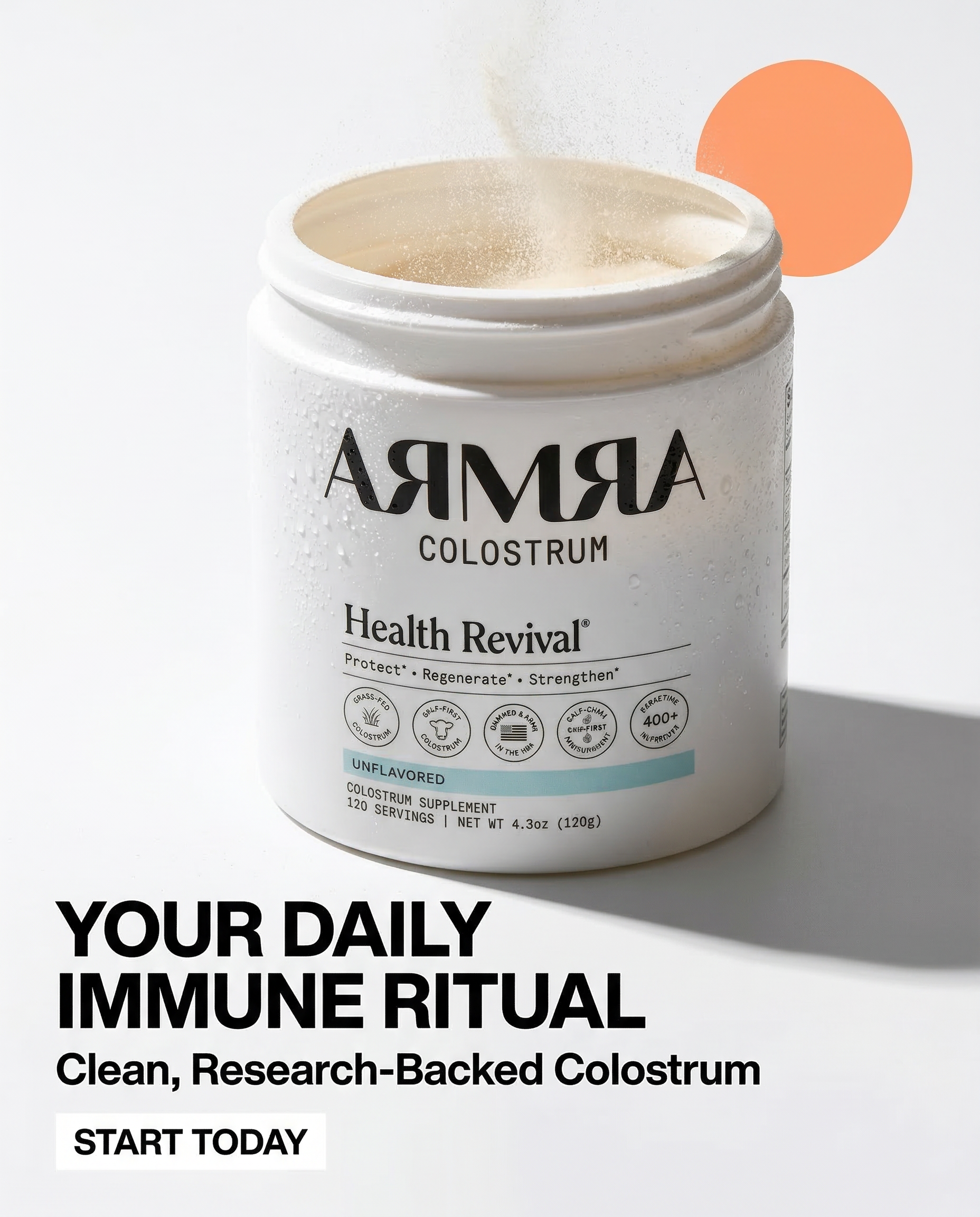
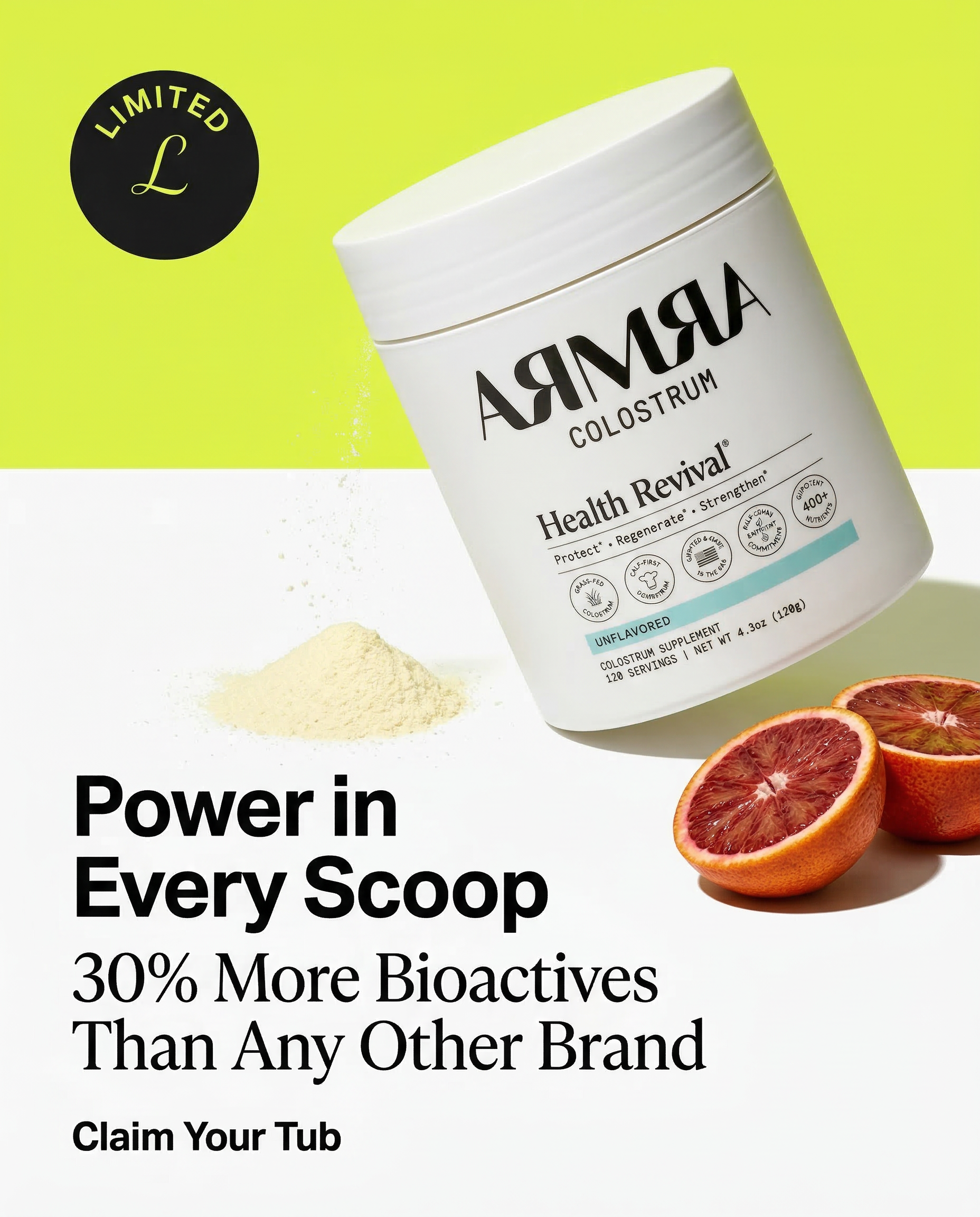
AG1-style supplement product photography — Armra colostrum jar in controlled studio light against signature-color backdrop

Hero composition for a colostrum supplement · produced in 48 hours · zero studio time

Your supplement PDP is at 2.1%. AG1 sits above 4%. The gap is almost entirely visual.

The supplement and wellness category has the widest CVR distribution of any DTC vertical we work in. The floor brands sit between 1.6% and 2.4% on their primary hero SKU PDP. The category leaders — AG1, Ritual, LMNT, Seed, Armra, Cymbiotika, Bloom, Athletic Greens (the AG1 parent), Olipop on the functional-bev side — run between 3.8% and 5.4% on the same persona traffic. That spread is roughly two-to-three times. On a supplement brand doing eight to fifteen million in revenue, closing even half the gap is worth a million in incremental gross margin annually before any ad spend efficiency gain.

Most operators we talk to have already pulled the copy levers, run the price tests, swapped the urgency banner three times, A/B tested the subscribe-and-save default, and benchmarked their reviews against the category. The needle did not move because none of those are the constraint. The constraint is the first impression on the PDP, and the first impression is photography. The hero image, the gallery scroll, the ingredient pillar treatment, the dosage demonstration, and the ritual frame are doing the work of trust before a single line of body copy is read. When those frames look like a product shoot rather than a wellness ritual, the buyer leaves.

We have a contractual point of view here, which is that supplement product photography for a high-CVR PDP is its own discipline — closer to skincare and editorial wellness imagery than to generic ecommerce product shots. The brands winning the auctions on Meta and the unaided recall on Reddit are not winning on copywriting or pricing. They are winning on visual systems that the buyer's eye already trusts before the page-content loads. The best AI product photography agency for DTC brands is the one that operates at that fidelity by default, and the rest of this page is the playbook for closing the gap on your hero SKU this month.
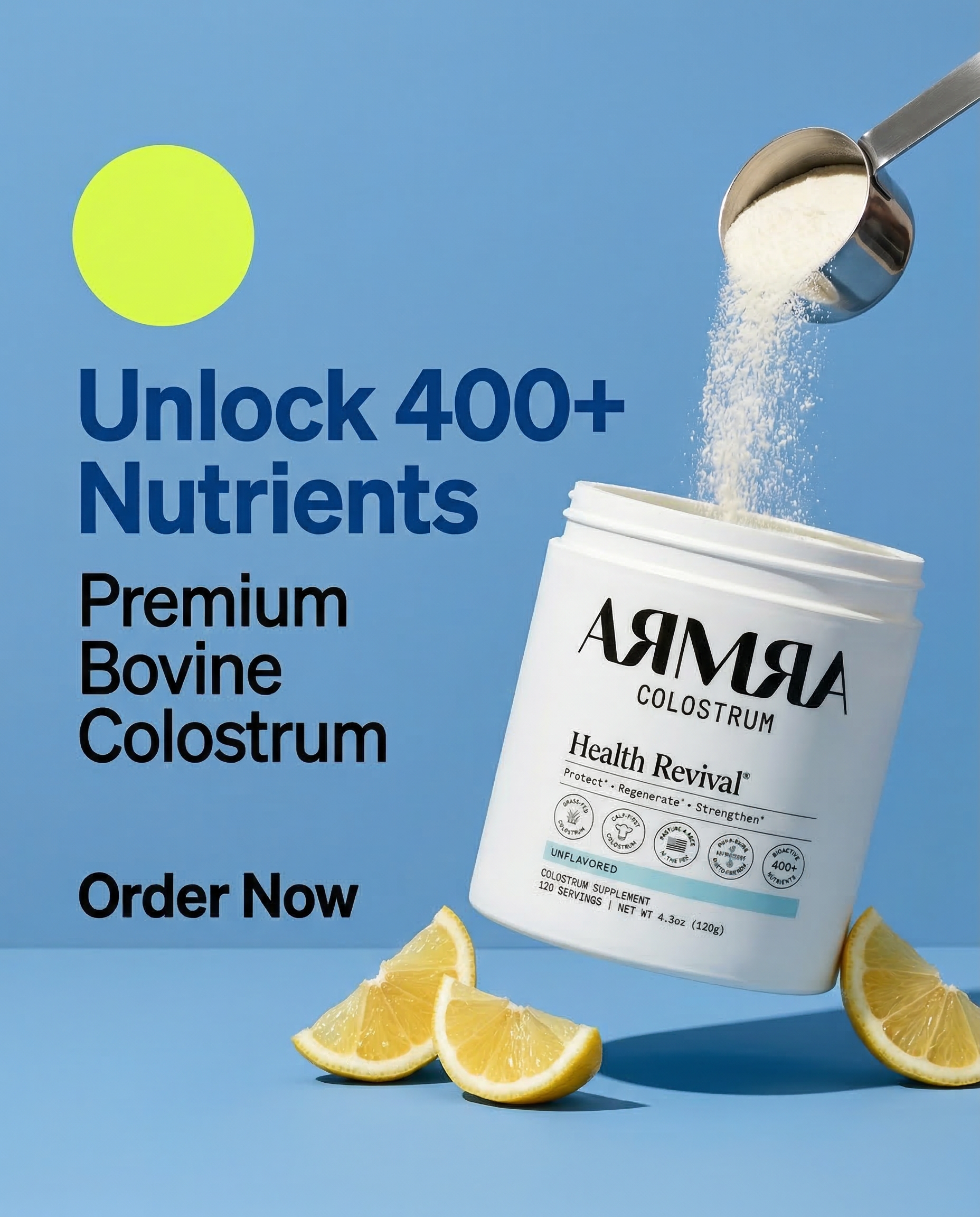
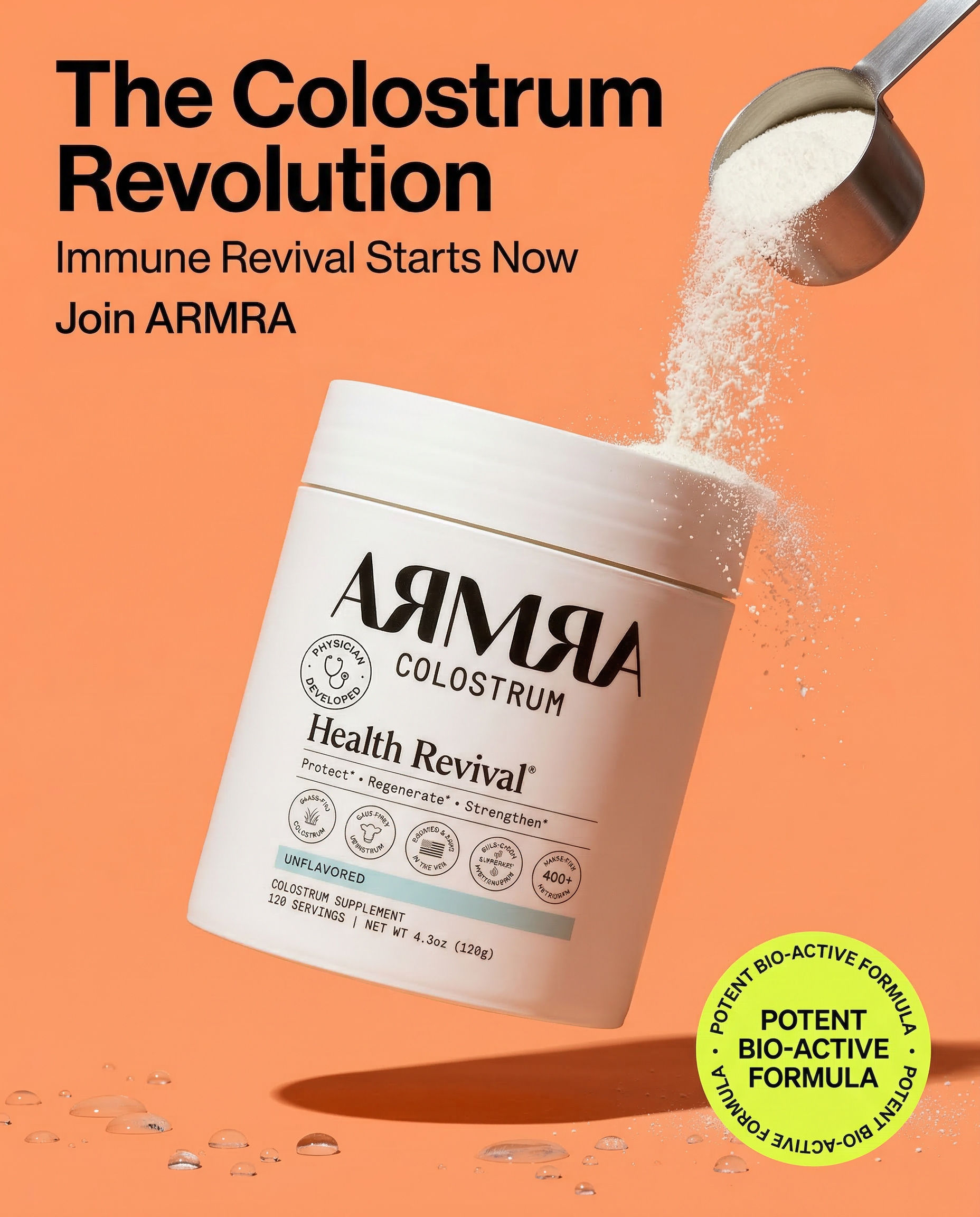
Five visual cues every leader uses, and most challengers do not.

The AG1, Ritual, LMNT, Seed visual language is not stylistic — it is structural. Five specific cues run across every category leader, and they are the cues your customer's eye reads as production discipline before the brain processes a single ingredient claim.

The first cue is signature-color backdrop instead of pure white. AG1 sits the canister on a deep cinnamon-warm gradient. Ritual uses a dusty rose. LMNT runs the salt-pour against a heat-mapped orange. The pure-white-cyclorama default that most challenger brands use is a marketplace cue — buyers read it as Amazon listing rather than premium DTC. Switching to a signature-color backdrop on the hero alone is the single highest-leverage change we have ever measured on a supplement PDP, and it costs nothing once the production discipline is in place.

The second cue is one dominant directional light. The studio default in low-budget supplement photography is to flood the product with a softbox to the front and a fill to the side, which renders the canister evenly lit but flat. Category leaders run a 45-degree directional key from camera-left or camera-right with a fall-off shadow behind the product. The three-dimensionality reads as editorial intent — the same lighting move beauty brands use for serum heroes. The Armra colostrum work documented on our Armra case study uses this exact setup across the campaign.

The third cue is label registration locked at pixel level. On a typical freelance supplement shoot, the label sits in slightly different positions across the carousel because the canister rotated between frames. The buyer's brain registers this as cheap before it knows why. Category leaders lock the label registration with the vertical text axis pixel-aligned across every frame in the campaign, hero and gallery and ad creative alike. It looks like a small detail and it is the largest unconscious quality cue in the category.

The fourth cue is ritual gesture instead of static product. AG1 shoots the scoop pulled out of the canister mid-action, the powder cascading. Ritual shoots the capsule in the palm being lifted toward the mouth. LMNT shoots the stick pack torn open with the salt mid-pour into a glass of water. The supplement is staged inside the daily-use moment, which is the moment the brand is being purchased to occupy. Static-product-on-pedestal shots leave the buyer to construct the ritual in their head, and most do not.

The fifth cue is ingredient pillars treated as their own hero imagery. AG1's site has a pillar treatment for the seventy-five vitamins, minerals, and adaptogens. Ritual has a frame for each clinical ingredient. LMNT has the salt-mineral spectrum. The pillars are not text bullets — they are individual editorial-grade frames that tell the science-backed story visually. Most challenger brands list ingredients in text and lose the trust transfer that imagery delivers at first scroll.

The PDP carousel buyers actually read.

Every category leader runs all six of these frames in the PDP gallery. Most three-to-twenty-million-dollar challenger brands run two or three. Closing the gap is the work.

01

Signature hero

Canister, stick, jar, or bottle on signature-color backdrop with one dominant directional light. Label registration pixel-locked. The frame the buyer takes a screenshot of and texts to a friend.

02

Texture frame

Powder grain, capsule shell, gummy translucence, or liquid clarity rendered close. The frame that lets the buyer feel the product in their hand before purchase. Skipped on 80% of challenger brand PDPs.

03

Dose & ritual

Scoop pulled mid-action, capsule lifted to mouth, stick torn open, dropper poised over tongue. The supplement staged inside the moment of consumption, not on a pedestal beside it.

04

Ingredient pillars

Each clinically-backed ingredient given its own editorial-grade hero frame. The pillars carry the science-backed claim visually so the buyer trusts the formulation before reading a clinical citation.

05

Finished glass

Mixed in water, sprinkled on yogurt, dissolved in coffee, taken with a chaser. The closing-the-loop frame that turns the supplement into a finished consumable. Buyers read this as "this is what my morning will look like."

06

Lifestyle anchor

Counter, gym bench, desk, nightstand. The product placed in the buyer's actual environment without leaning on generic stock. The frame that says "this fits my life" without saying it.

Pillar examples

Hero, texture, ingredient, ritual — the four most-skipped pillars on challenger supplement brand PDPs, produced as AG1-style supplement product photography.

The $12,000 freelance shoot, and why none of it shipped to the PDP.

Almost every supplement operator we talk to has the same scar tissue. Two to three years ago they hired a freelance product photographer through a referral, paid between eight and fifteen thousand dollars for a single shoot day, and got back a folder of eighty-to-one-hundred-and-twenty raw frames. Most of those frames did not ship. The hero was usable, the lifestyle frame was generic, and there was no ingredient pillar imagery because nobody briefed it. The dosage frame was clinical-stock-feeling. There was no texture frame at all. The folder is still on a Dropbox somewhere and the PDP is still running on what was left.

The reason is not that the freelancer was bad. The reason is that supplement product photography for a high-CVR PDP is six rendering disciplines stitched together — powder physics, capsule shell finish, dose ritual, ingredient hero, finished-glass closing frame, and lifestyle in-environment — and a single shoot day cannot produce all six at category-leader fidelity. Studios that can produce all six exist, and they quote between thirty and sixty thousand dollars for a single hero SKU, plus four-to-six weeks elapsed, plus the inevitable reshoot for the frames the brand realises were missing two weeks after delivery.

The production system we run is built around supplement physics as the baseline. The brand ships the production sample on day one. We calibrate the powder color, the capsule gloss, the gummy translucence, or the liquid clarity using the same Pantone-and-spectrophotometer pass we use on premium beauty serums. Every frame across the six pillars is built against the same calibrated reference, the same key-light angle, the same backdrop palette, and the same label registration lock. Five business days from kickoff to first delivery on the full PDP pack, with the paid creative pack rolling immediately after on the same retainer. The 48-hour revision SLA detailed inside our fast ad creative turnaround page means the buyer's feedback round does not consume the merchandising window.

Three tiers of supplement PDP photography, and the CVR each typically returns.

2.1%

Generic challenger PDP

Pure-white background. Front-flooded fill light. Static canister, no ritual gesture. Two-frame gallery. Ingredient list as text. Stock lifestyle. Reads as Amazon listing. The CVR floor for the supplement category, and where most three-to-twelve-million-dollar brands are stuck.

3.4%

Mid-tier produced PDP

Signature-color backdrop. Single directional light. Hero plus texture plus a single ritual frame. Ingredient pillar imagery on three of six ingredients. The level a competent freelance shoot reaches when the brand briefs it well. Worth a roughly 60-to-130 basis-point CVR lift over the floor.

4.4%+

Category-leader PDP

All six pillars produced at editorial fidelity. Label registration pixel-locked across the carousel. Same brand spine carried into Meta, TikTok, retailer email, and OOH. The level AG1, Ritual, LMNT, Seed, and Armra ship at, and the level our retainer is scoped against. CVR ceiling for the supplement category until further category innovation lands.

From kickoff Monday to first delivery Friday.

The shape of a supplement PDP refresh engagement is built around the merchandising calendar, not the studio calendar. Most engagements start with a discovery call inside 48 hours of the kickoff, where we audit the existing PDP carousel against the six-pillar framework, score it against the category-leader benchmark, and identify the two or three highest-leverage frames to rebuild first. By end of day Monday we have a brief, a shot list mapped to the pillar framework, and a Pantone reference plan against the production sample.

The production sample arrives Tuesday. We measure the powder, capsule, gummy, or liquid against the calibrated reference under controlled studio lighting conditions, lock the signature color for the campaign, and start the first-frame renders. The hero, texture, and dose frames typically deliver Wednesday. The ingredient pillar set, the finished-glass frame, and the lifestyle anchor deliver Friday. By the following Tuesday the full PDP pack has been through one revision round and is ready to ship to the merchandising team. The same week, we begin producing the paid creative pack — typically 30-to-50 statics and motion variants — that pushes the new visual language onto Meta and TikTok inside the same retainer.

Inside that engagement, the same named senior team carries the brand through the PDP refresh, the paid creative push, and the retailer email if the brand sells into Whole Foods, Sprouts, Erewhon, or Amazon premium-tier programs. No vendor handoffs, no brand-spine drift across surfaces. The retainer covers the full pack with a 48-hour revision SLA on every feedback round. For supplement brands running multi-SKU programs across powder, capsule, and gummy formats, the model scales by hero count, not by frame count. The architectural detail behind that scaling sits inside our anchor positioning page, which covers the full DTC application across categories. The cost comparison against traditional studio production sits inside the AI photoshoot vs studio cost breakdown, and the testing cadence for the paid creative pack sits inside the ad creative testing framework.

Frequently asked
questions

What is AG1-style supplement product photography?

AG1-style supplement product photography is a specific visual language used by category-leading wellness brands like AG1, Ritual, LMNT, Seed, and Armra. It uses controlled studio light with one dominant directional source, a deep neutral or signature-color backdrop instead of pure white, the jar or stick rendered with material accuracy on label registration and finish, a single sculpted hand or pour gesture that signals daily ritual, and ingredient pillars treated as their own hero imagery. The output sits closer to skincare and editorial wellness photography than to generic ecommerce product shots, which is the gap most three to twenty million dollar supplement brands have on their PDP.

Why is my supplement PDP stuck at 2.1 percent conversion rate when AG1 and Ritual run higher?

Three reasons that almost always trace back to photography. First, your hero image looks like a product shot rather than a wellness ritual, so first-time visitors do not feel the daily-use promise the category sells. Second, your ingredient pillars are listed as text but never shown as imagery, so the science-backed claim does not have a visual anchor on the page. Third, your gallery does not show the powder texture, the scoop, the pour, or the finished glass, so the buyer cannot visualize themselves consuming the product. The 2.1 percent CVR floor for supplement PDPs is a photography problem far more often than a copy or pricing problem, because the buyer trusts visual evidence over claims at the first impression.

How is AG1 product photography different from a normal supplement shoot?

AG1 treats the canister, the scoop, and the glass-with-powder as three separate hero subjects, each lit and composed at editorial fidelity. The label registration is pixel-locked. The shadow falls in the same direction across every frame in the campaign, which is the cue that signals controlled studio production rather than freelance variability. The mix-and-pour gesture is staged with the same lighting discipline as a beauty serum drop. A normal supplement shoot treats the product as a single subject and bolts on a generic lifestyle frame at the end. The compounded effect across the PDP carousel is the difference between a wellness ritual and an ecommerce listing.

What are the visual pillars a high-converting supplement PDP actually needs?

Six pillars. Hero on signature backdrop with the canister or stick rendered at retail-grade fidelity. Powder, capsule, or gummy texture frame that lets the buyer feel the product in their hand before purchase. Scoop, dose, and pour demonstration that turns the supplement into a ritual. Ingredient pillar imagery that anchors the science-backed claim with a visual instead of a text bullet. Finished glass or in-mouth context frame that closes the consumption loop. Lifestyle in-environment frame that places the product on a counter, a gym bench, a desk, or a nightstand without leaning on stock photography. Every category leader runs all six. Most three to twenty million dollar challenger brands run two.

Can AI product photography render powder, capsule, gummy, and liquid supplements accurately?

Yes, when the production system is built around supplement physics. Powder behavior in a scoop, capsule shell finish under directional light, gummy translucence in soft shadow, and liquid clarity in glass each require a different production discipline, and we treat them as four separate rendering tracks rather than a single supplement preset. The brand ships the production sample, we calibrate against the powder color, the capsule gloss, the gummy translucence, or the liquid clarity using the same Pantone-and-spectrophotometer pass we use for beauty, and every frame is checked back against the physical sample at Delta E under three. The Armra colostrum work on our case page documents this process in detail.

How long does it take to reshoot a supplement hero SKU PDP from scratch?

Five business days from kickoff to first delivery on the full PDP pack — hero, texture, dose, ingredient pillar, finished glass, and lifestyle frame. A traditional studio reshoot takes four to six weeks because of booking, sampling, lighting, shoot day, retouching, and revision rounds, with two to four physical reshoots typically baked in. Our 48-hour-per-round revision SLA closes the feedback gap that costs studios most of their elapsed time, which is why the hero SKU PDP refresh fits inside a single quarterly merchandising window rather than dragging through the next one.

Will my PDP conversion rate actually move if I only update the photography?

It moves on every supplement brand we have measured, with the size of the lift correlated to how far the existing PDP sits below category leaders. A brand starting at 2.1 percent CVR with weak hero imagery and zero ingredient pillar shots typically gains between sixty and one hundred and twenty basis points inside the first thirty days post-launch, with the lift compounding when the new imagery is also pushed into Meta and TikTok ad creative. The lift comes from three places — higher add-to-cart on first-time visitors, higher gallery scroll-through depth, and higher trust signal compounding into review-read rate. PDP photography is rarely the only conversion lever, but on supplement brands it is almost always the largest unworked one.

How does this work alongside our existing Meta and TikTok ad creative?

The same production system that produces the PDP imagery produces the paid creative, which is the pattern category leaders run. AG1 does not have a separate PDP photographer and ad photographer. The hero, ingredient pillar, ritual demonstration, and signature-color treatment carry from the dot-com onto the Meta static, the TikTok product mention, and the retailer email, so the brand impression compounds rather than fragments. We deliver a thirty to fifty asset paid creative pack inside the same retainer that produces the PDP refresh, and a 48-hour testing cadence after that is documented in our ad creative testing framework page.

What does this cost compared to a traditional supplement studio shoot?

A traditional supplement studio shoot for a single hero SKU PDP refresh runs eighteen to forty thousand dollars all-in once you count studio rental, photographer day rate, food and props stylist for the lifestyle frame, hand model, retoucher, and the inevitable second shoot day for the ingredient pillar imagery the first session missed. Our retainer covers the same scope plus the paid creative pack at a meaningful fraction of that, with a 48-hour revision SLA the studio model cannot match. The detailed cost comparison sits inside the AI photoshoot vs studio cost page on the site.

2.1% CVR.
Five-day refresh.
AG1-grade pack.

Stop pulling copy levers on a photography problem. AG1-style supplement product photography for your hero SKU PDP — hero, texture, dose, ingredient pillars, finished glass, lifestyle — produced in five business days, calibrated to your physical product, retainer-priced, with the paid creative pack rolling immediately after.