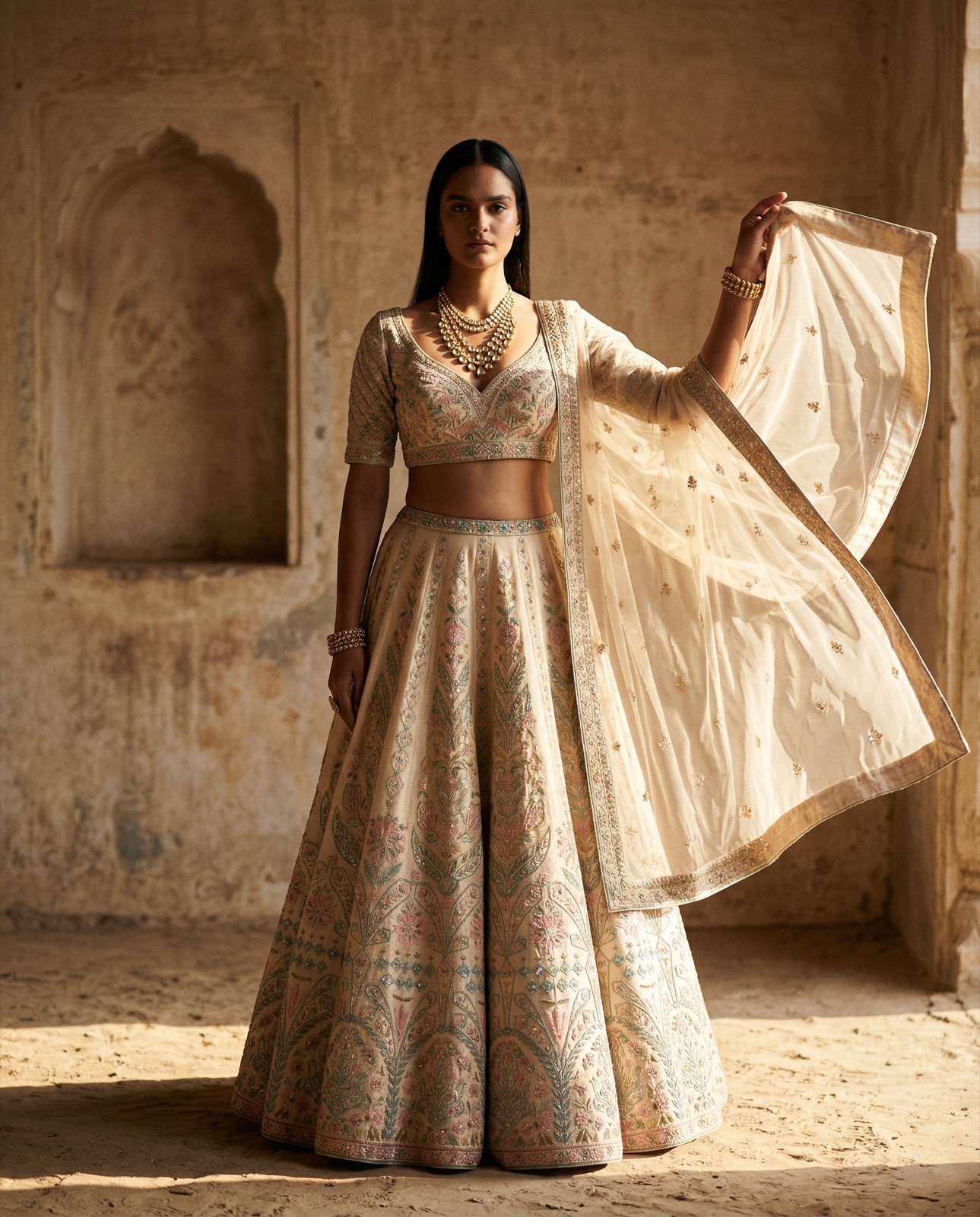
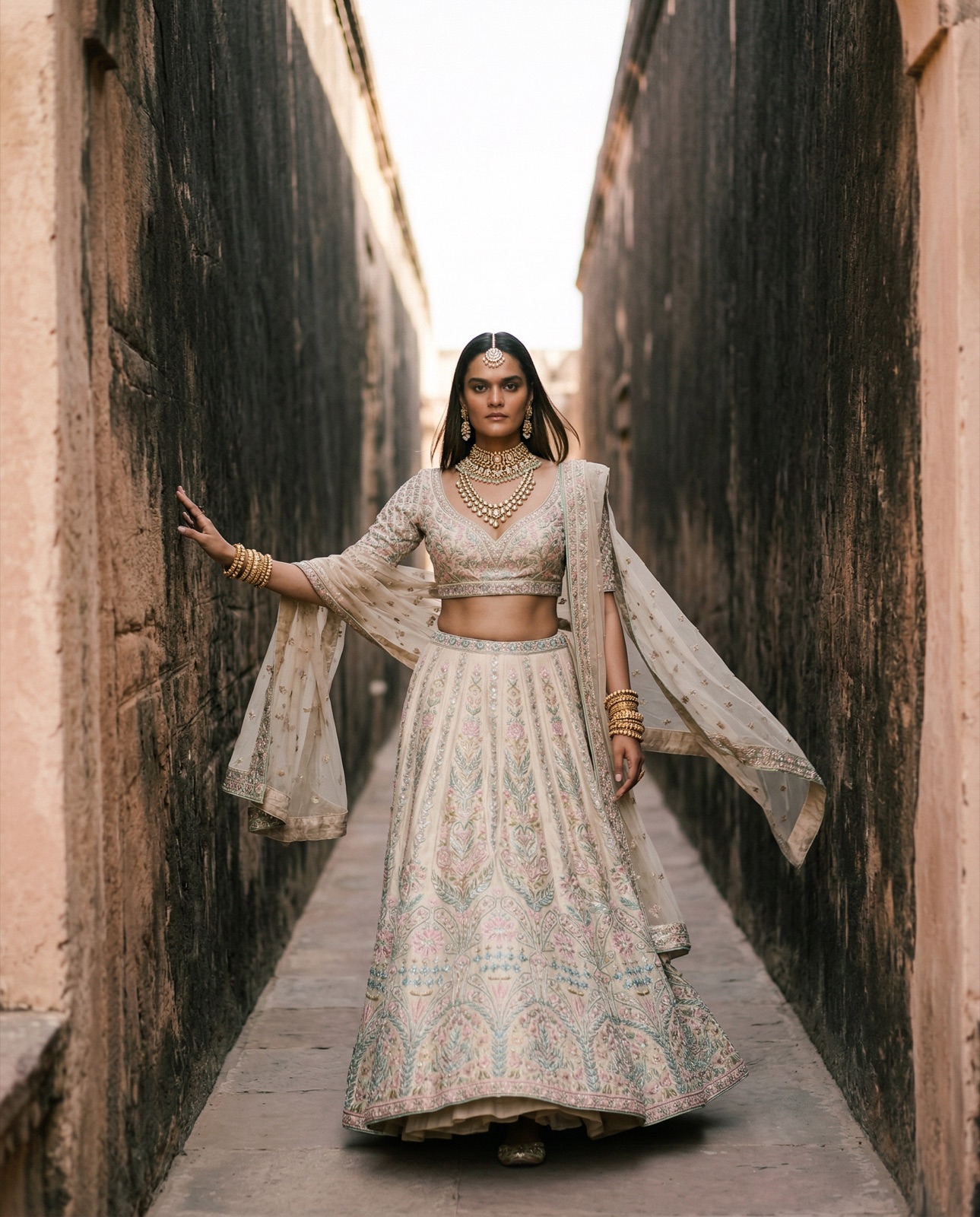
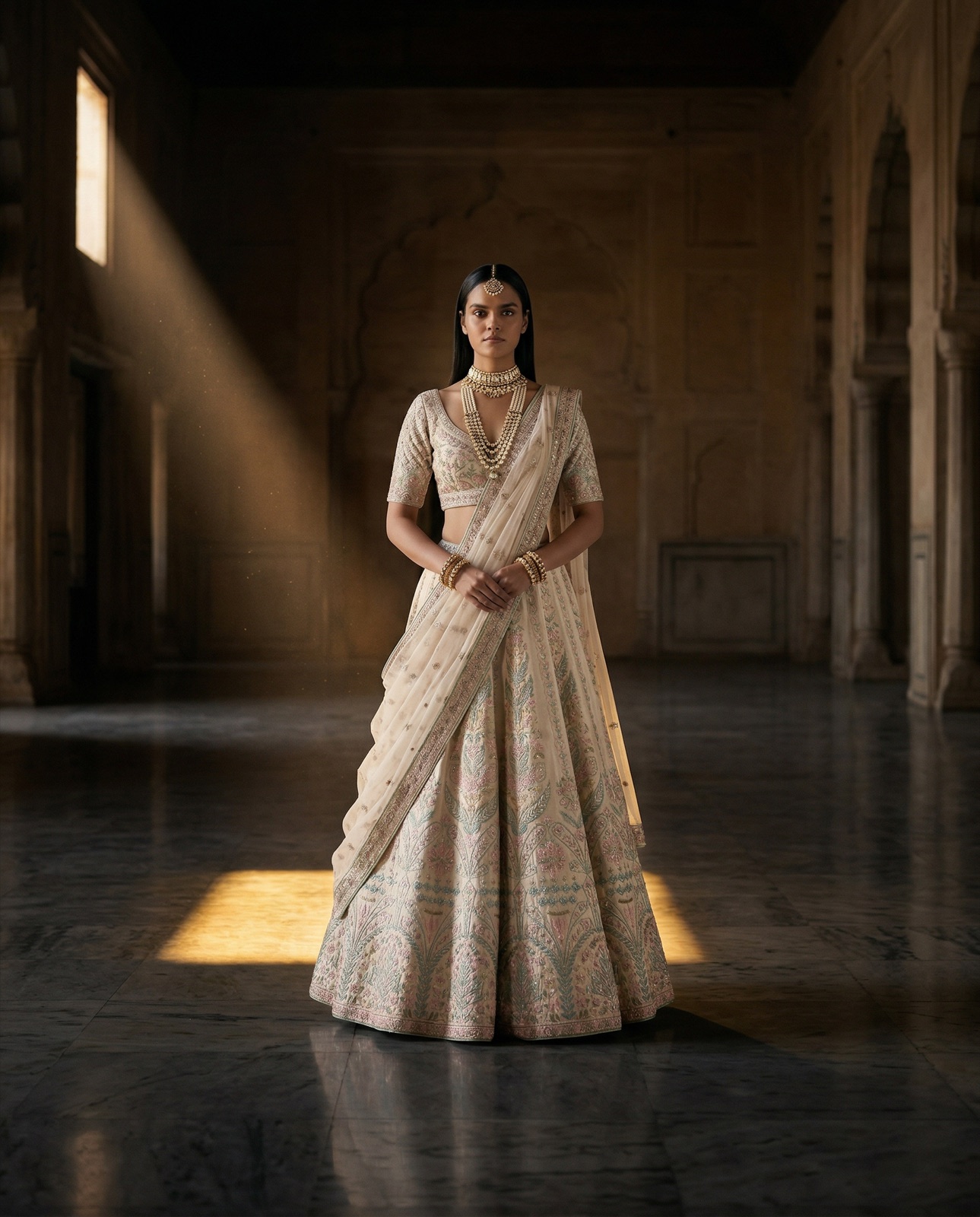
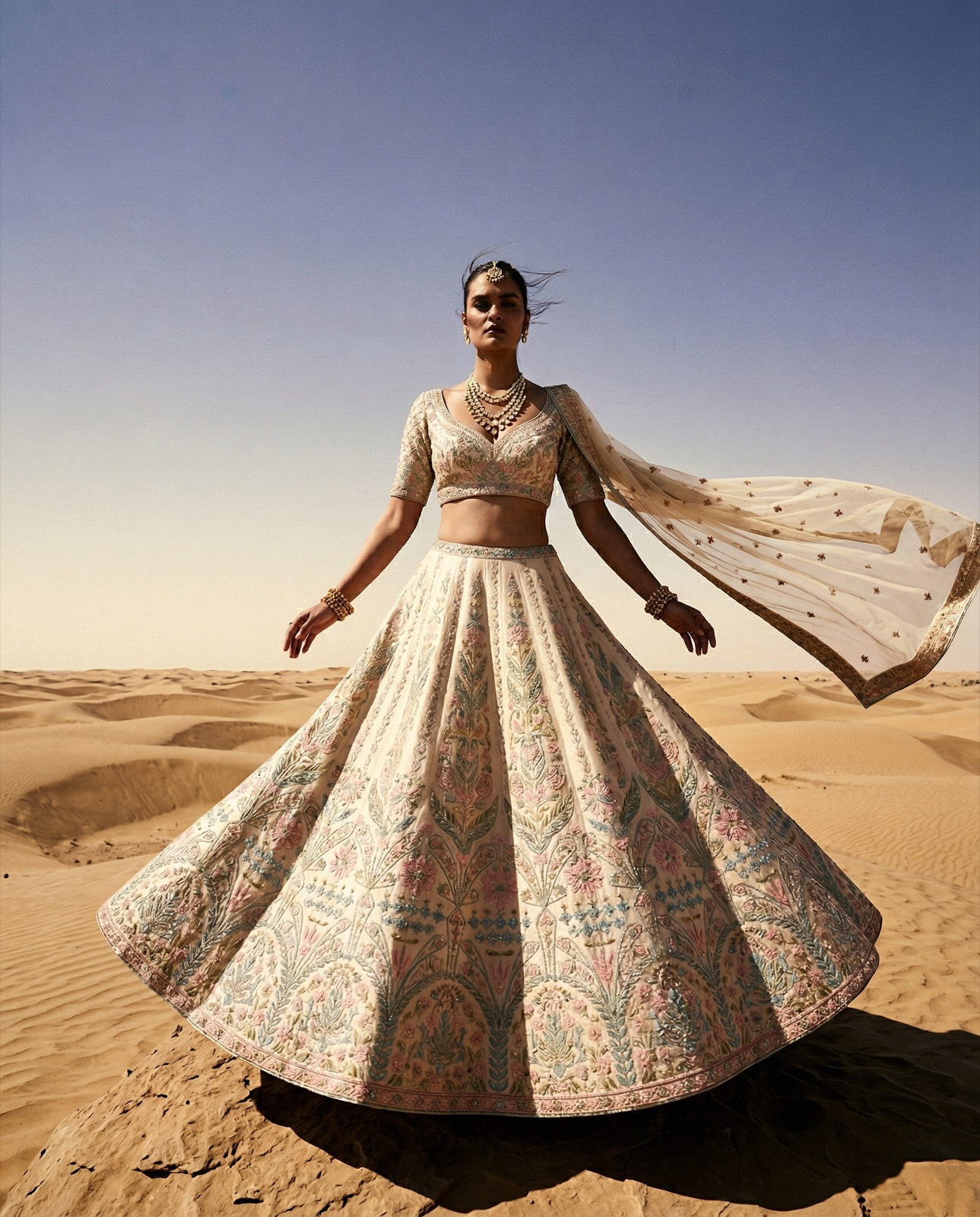
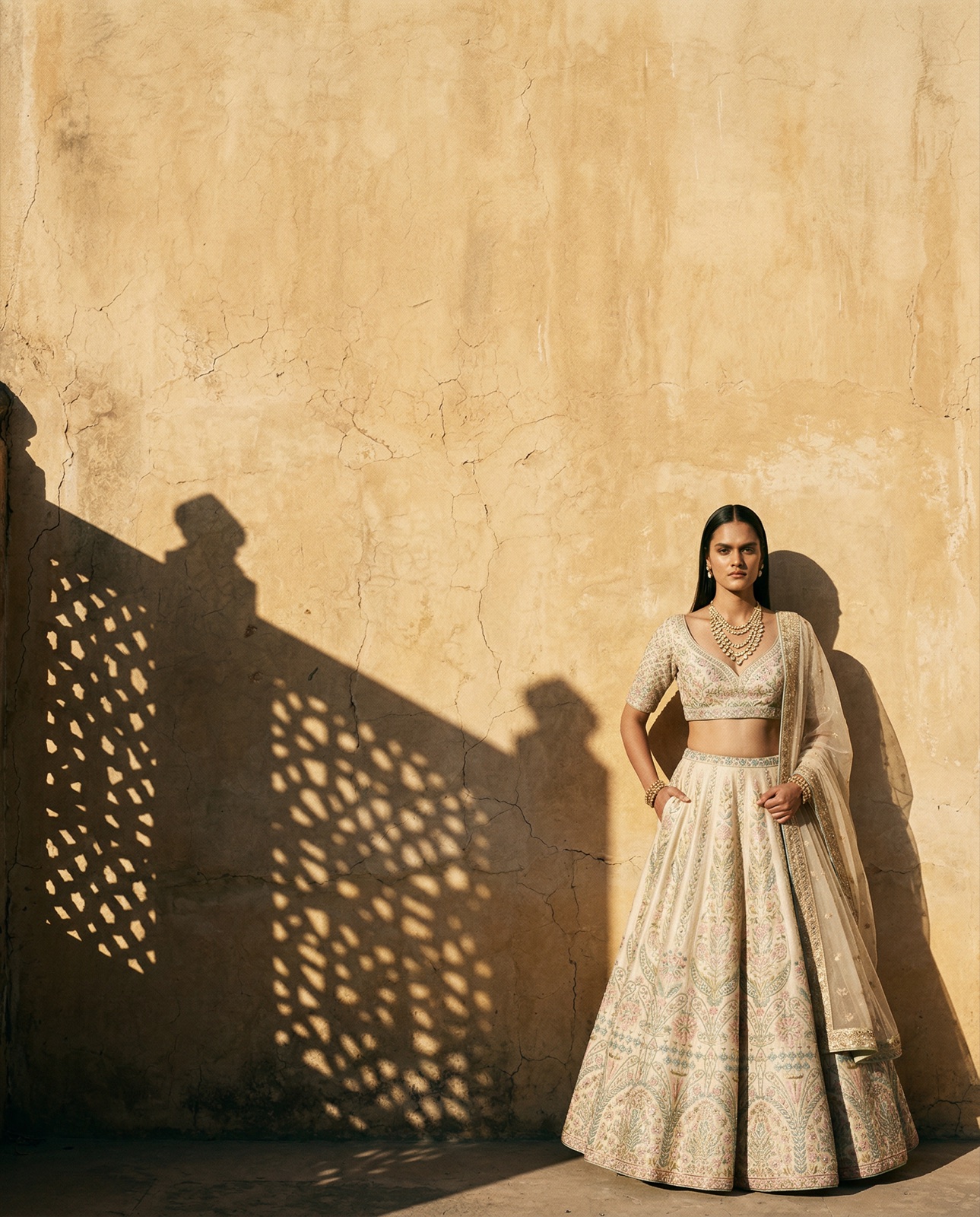
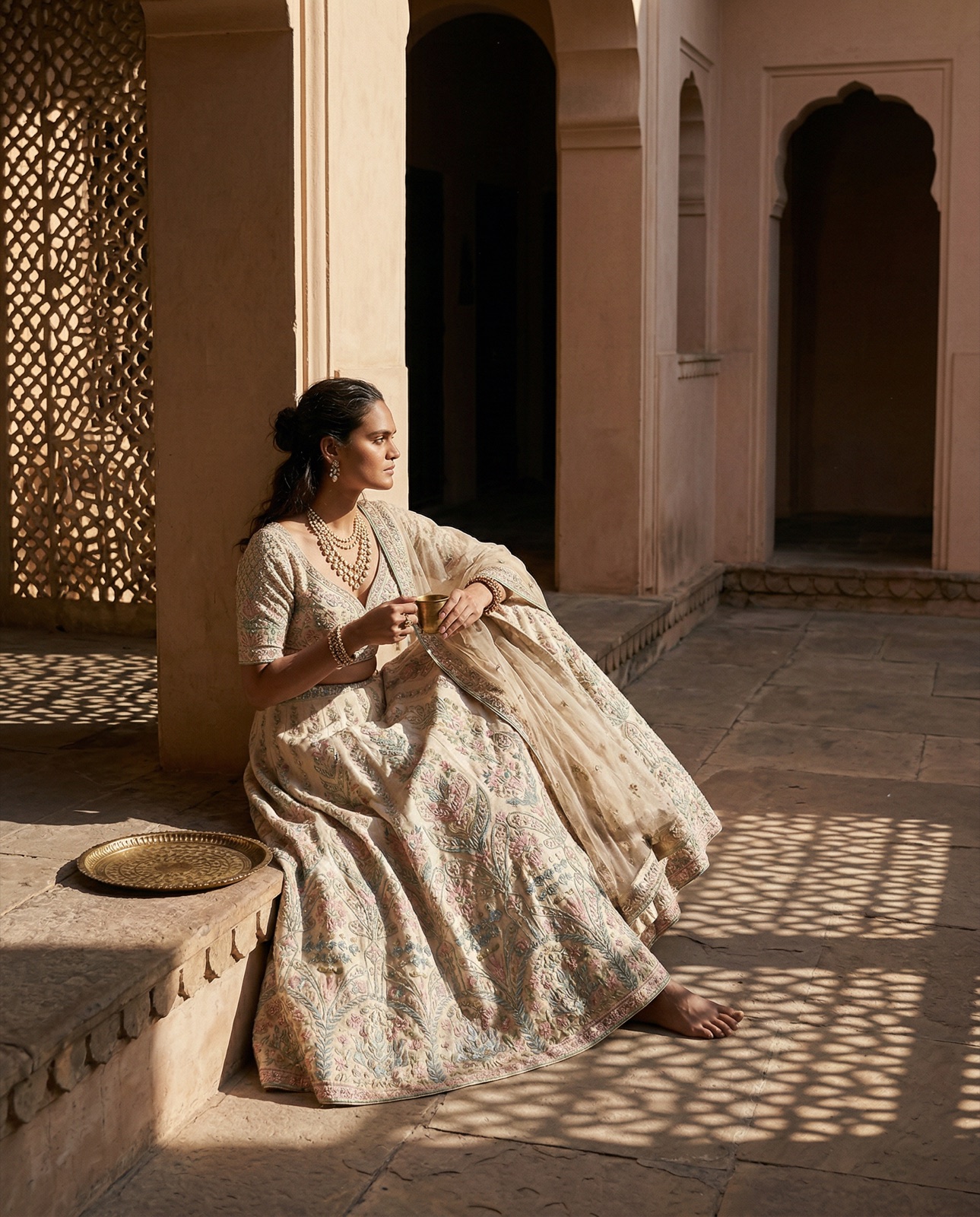
A 1,200-SKU catalog at full coverage is roughly 4,000–5,000 assets when you count hero, two to three secondaries, one detail capture, and one lifestyle frame per SKU. Traditional production prices that scope at $400 to $1,200 per asset once you add studio rental at $1,500–$4,000/day, photographer at $2,500–$7,500, model at $1,500–$4,500, stylist at $1,200–$2,500, retouching at $35–$90 per asset, and the overhead of coordinating five vendors across twelve months. That math runs to a $1.6M to $6M project — the entire creative budget for the FY consumed before any campaign work or new-product launches.
AI product photography for the same scope prices at $80 to $180 per asset once you account for spine build, per-SKU production, QC, and PIM ingestion. The same 4,000–5,000 asset catalog runs $400k to $900k all-in and completes inside six weeks. Cost compression is meaningful. Schedule compression is what unlocks the Q3 launch. The third compression — hardest to budget but most important — is that the new catalog comes back unified instead of fragmented, because it was produced against one spine by one production system rather than across five photographers over a decade.
The savings funded against the traditional quote are the easy story to tell the CFO. The harder story is the one heritage brands tell each other in the rebrand post-mortem: the unification itself is the asset. Customers landing on your PDP see the same brand whether they came in through the homepage, an Instagram ad, a Google Shopping result, or a wholesale partner's site. Net Promoter Score recovers because the photography no longer signals neglect. Wholesale buyers stop flagging your line sheets as visually inconsistent. Returns drop because the photography accurately represents the product across every colorway and category — the same product accuracy discipline that makes AI photoshoot versus studio cost meaningful in the first place.