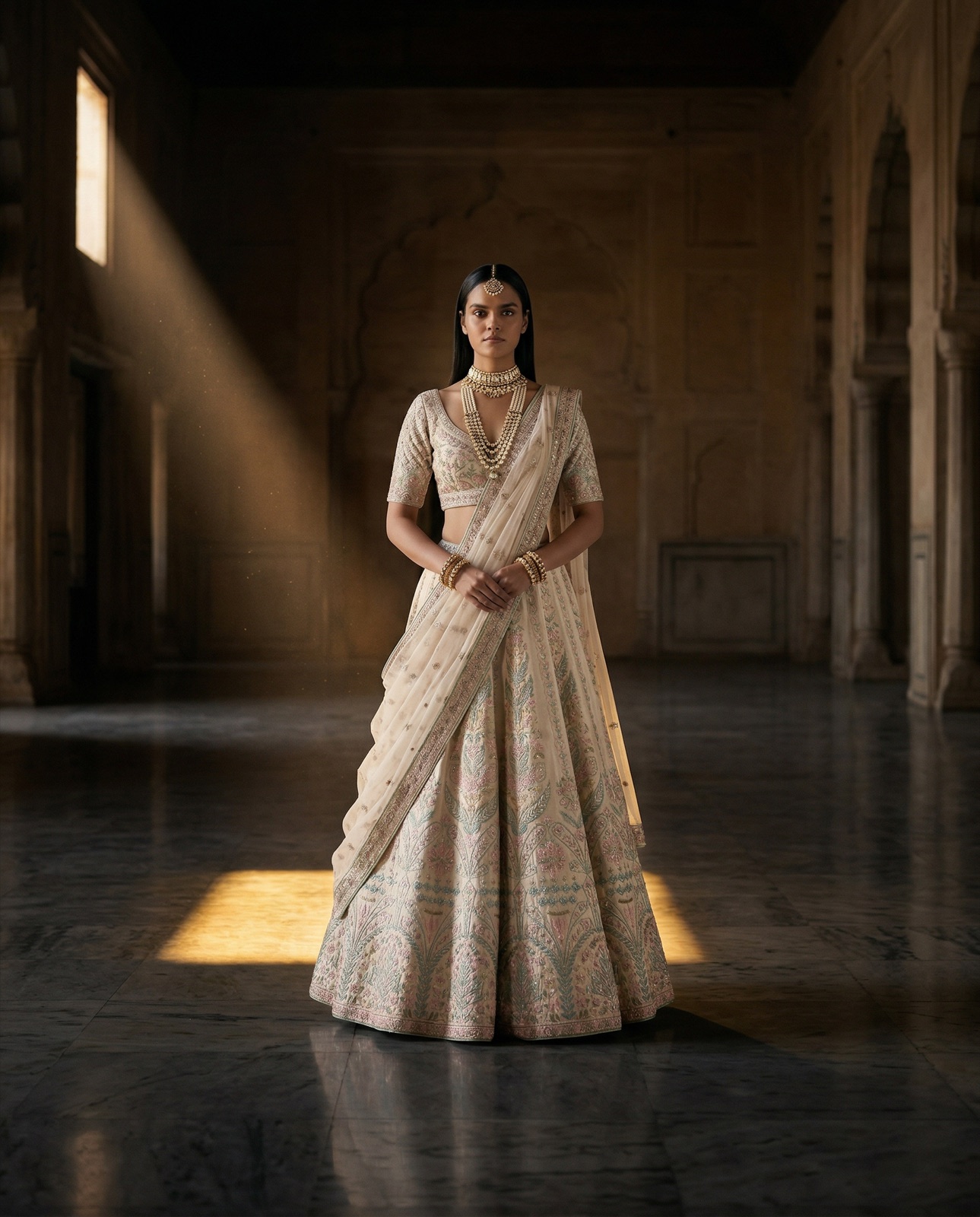
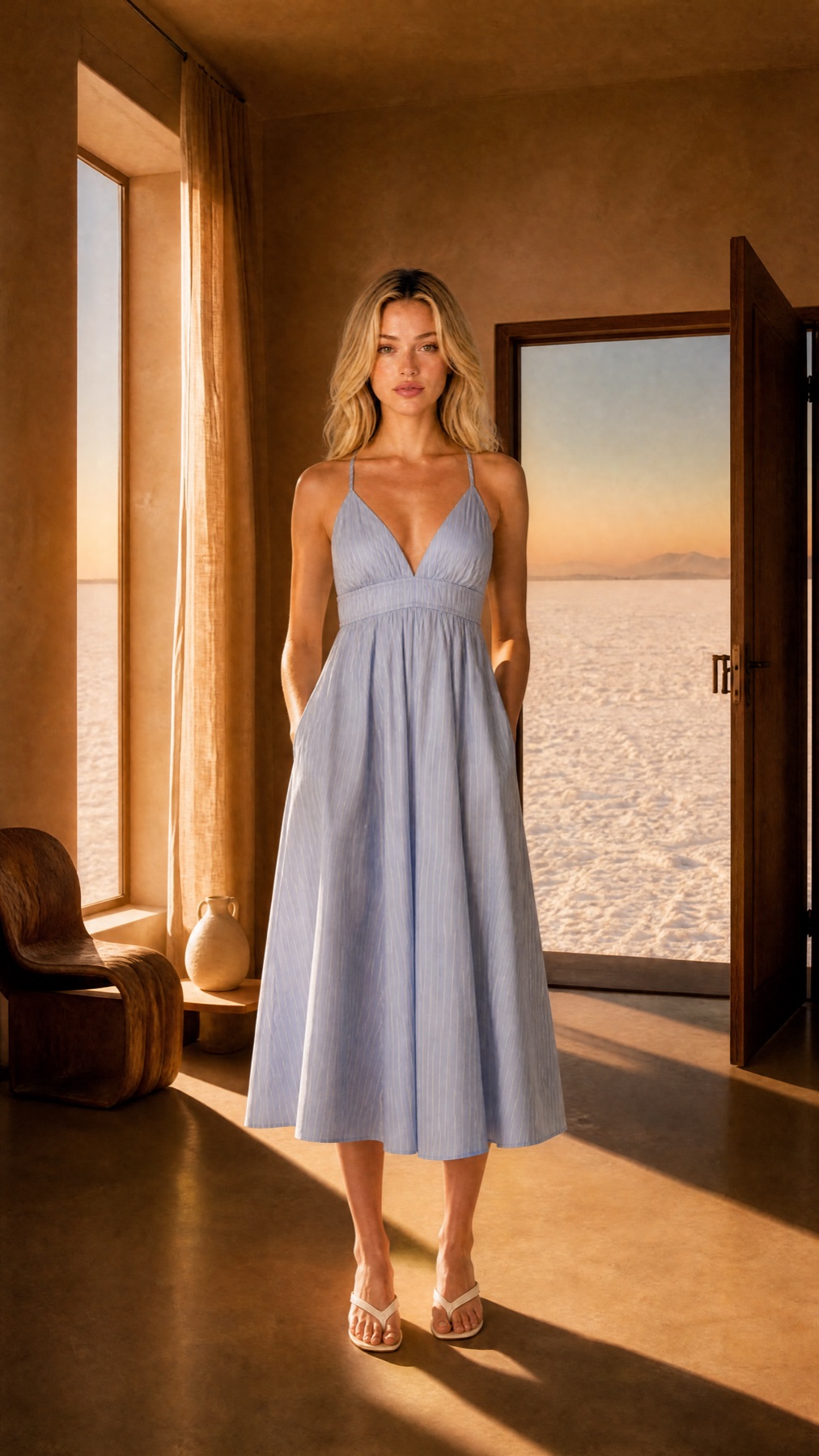

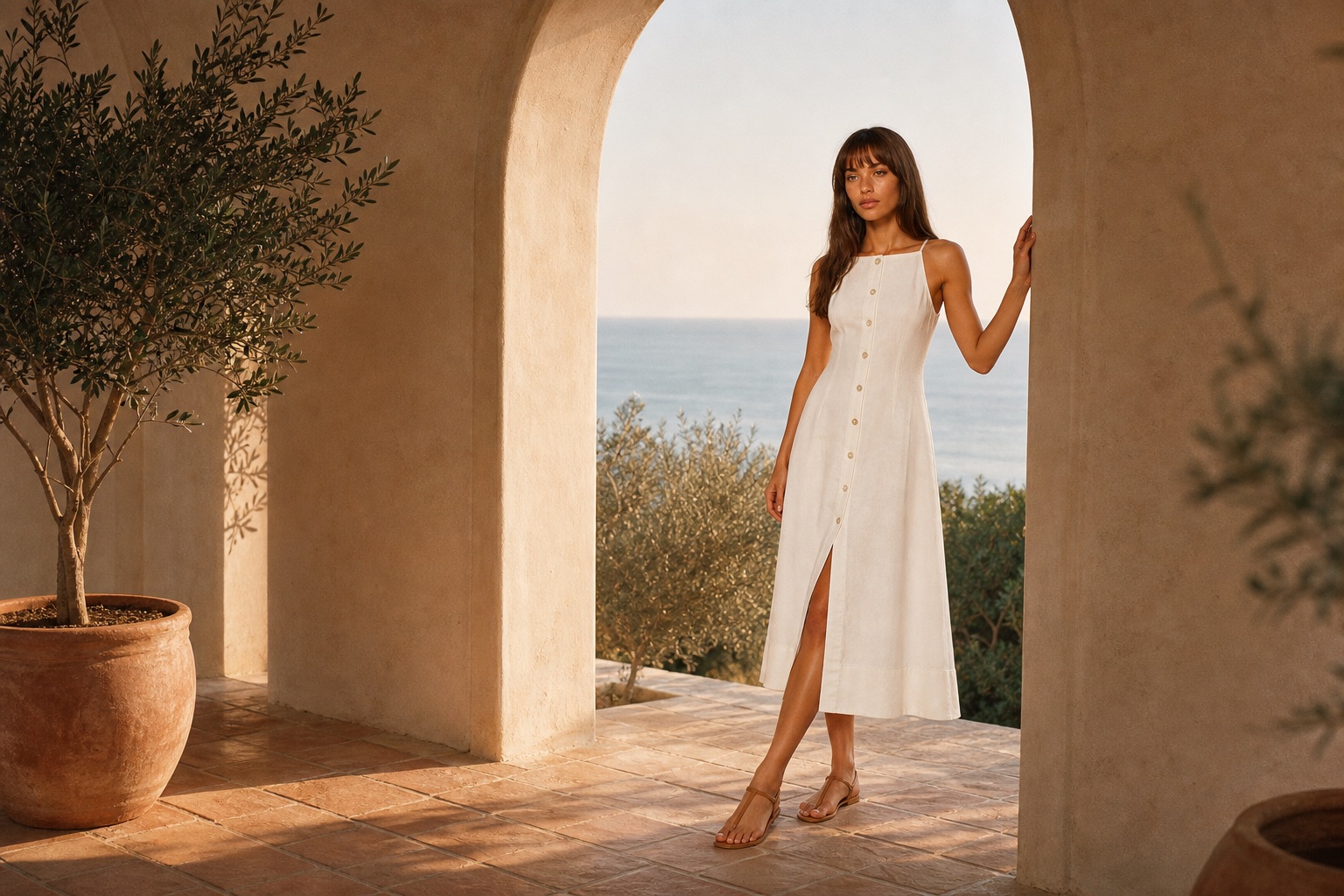
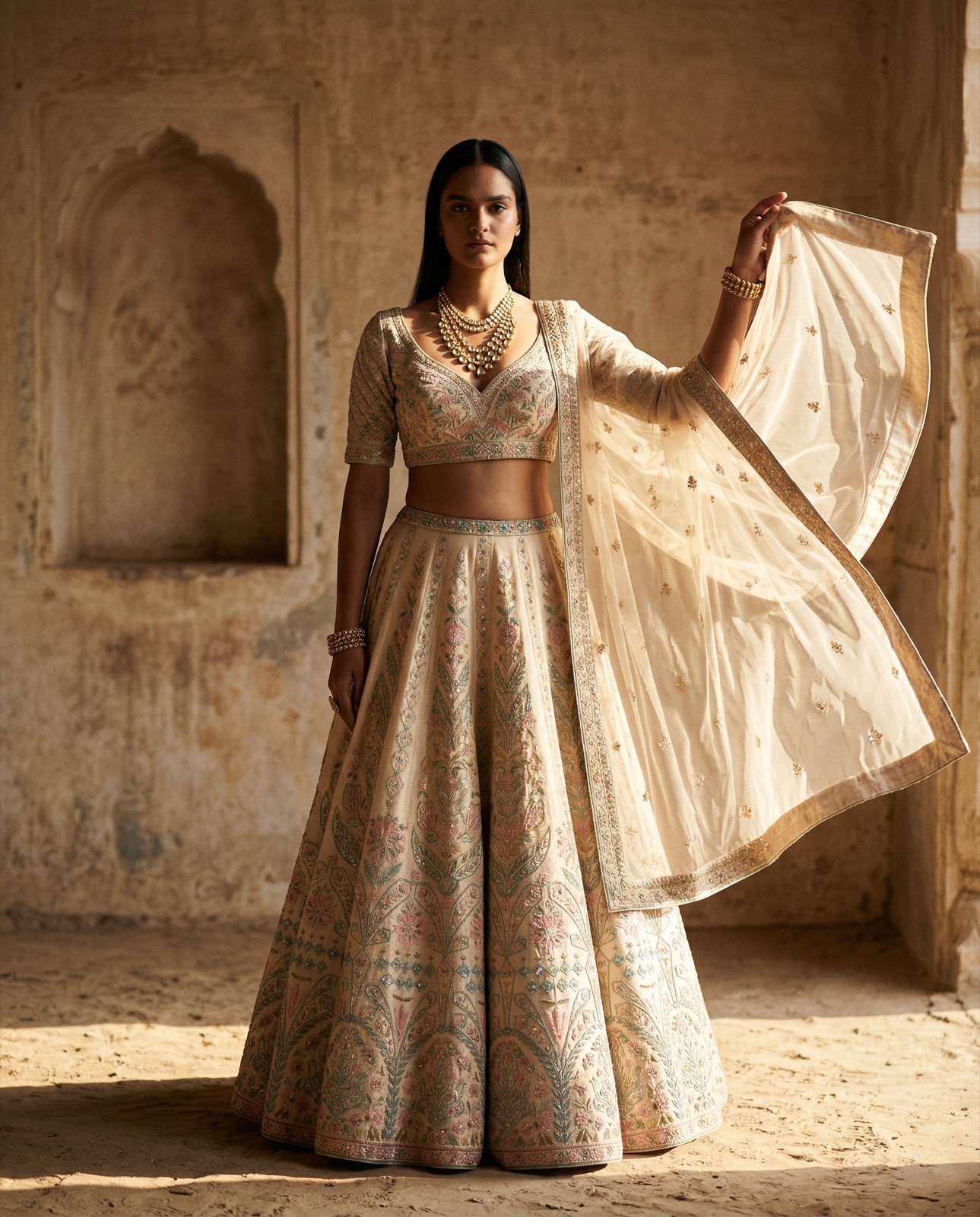
It is the kickoff call for the third campaign. The founder pulls up the last two seasons side by side and something is wrong that she cannot name in a sentence. Season one was shot by a photographer who lit warm and shot tight. Season two went to a different studio that lit cool and left air around the garment. Both shoots were good. Both ran their six to twelve weeks. But scrolled together in the grid they read as two different labels, and the new agency on the call is already asking for a moodboard so they can establish "the look" — for the third time in eighteen months. The founder has paid for three looks and owns zero of them, because each one expired the week the campaign rotated out.
This is the re-briefing trap, and almost every emerging fashion label is in it. The instinct is correct — you do need to shoot every season. The error is treating each shoot as the unit of brand-building rather than as one expression of a system that should already exist. Without a brand world, the photographer is the brand. Change the photographer and you change the brand. The label is renting its identity one shoot at a time from whoever holds the camera that quarter, and renting is the opposite of compounding.
The brands that look, by year three, like they have always existed did not shoot better than everyone else. They shot against a system. Aritzia did not discover its sun-washed contemporary register by luck across forty unrelated shoots; the register is documented and every shoot inherits it. Reformation's feed reads as one continuous brand because the palette, the casting and the negative-space ratio are fixed and only the season changes inside them. The shoot is the variable. The world is the constant. The compounding lives entirely in the constant.