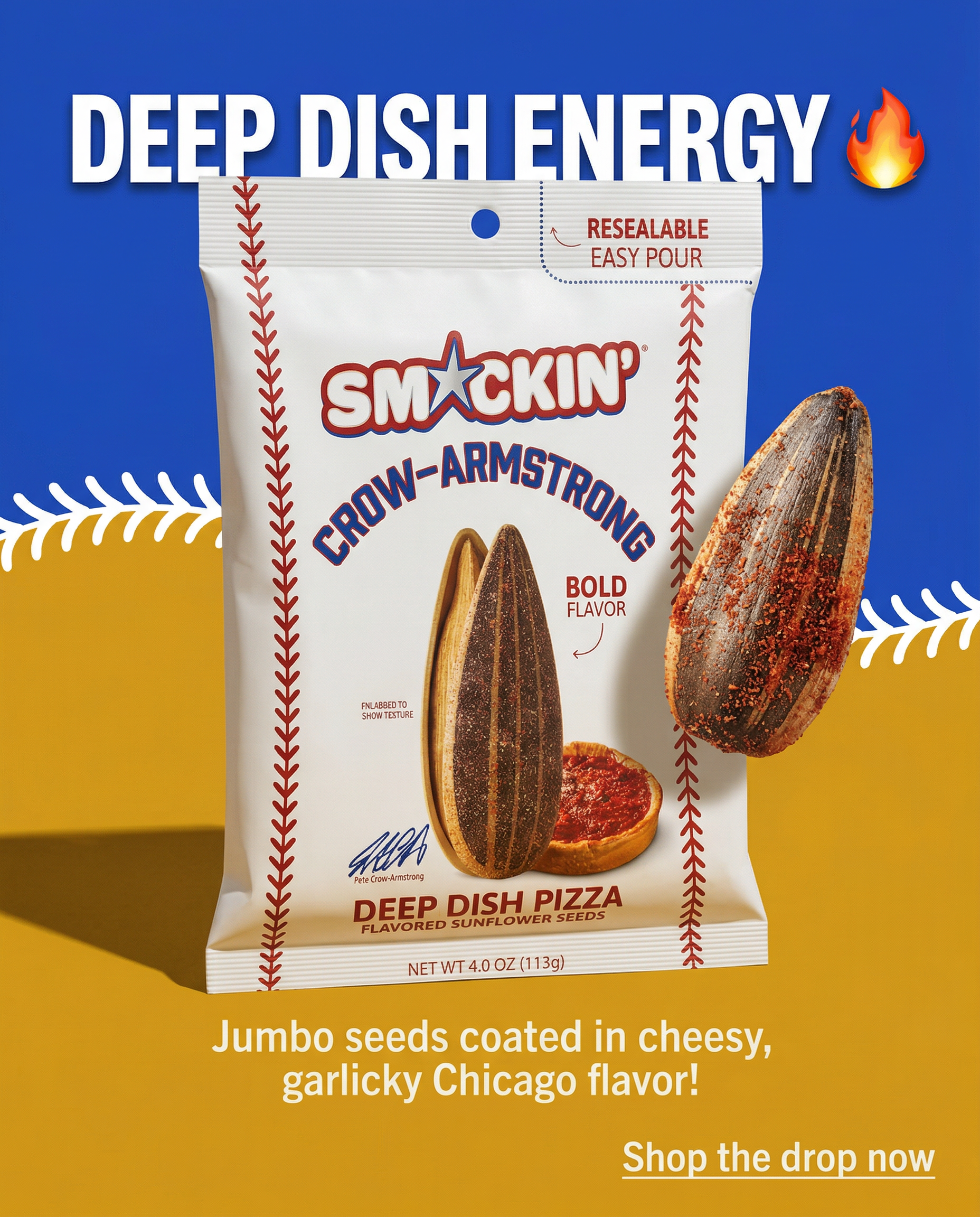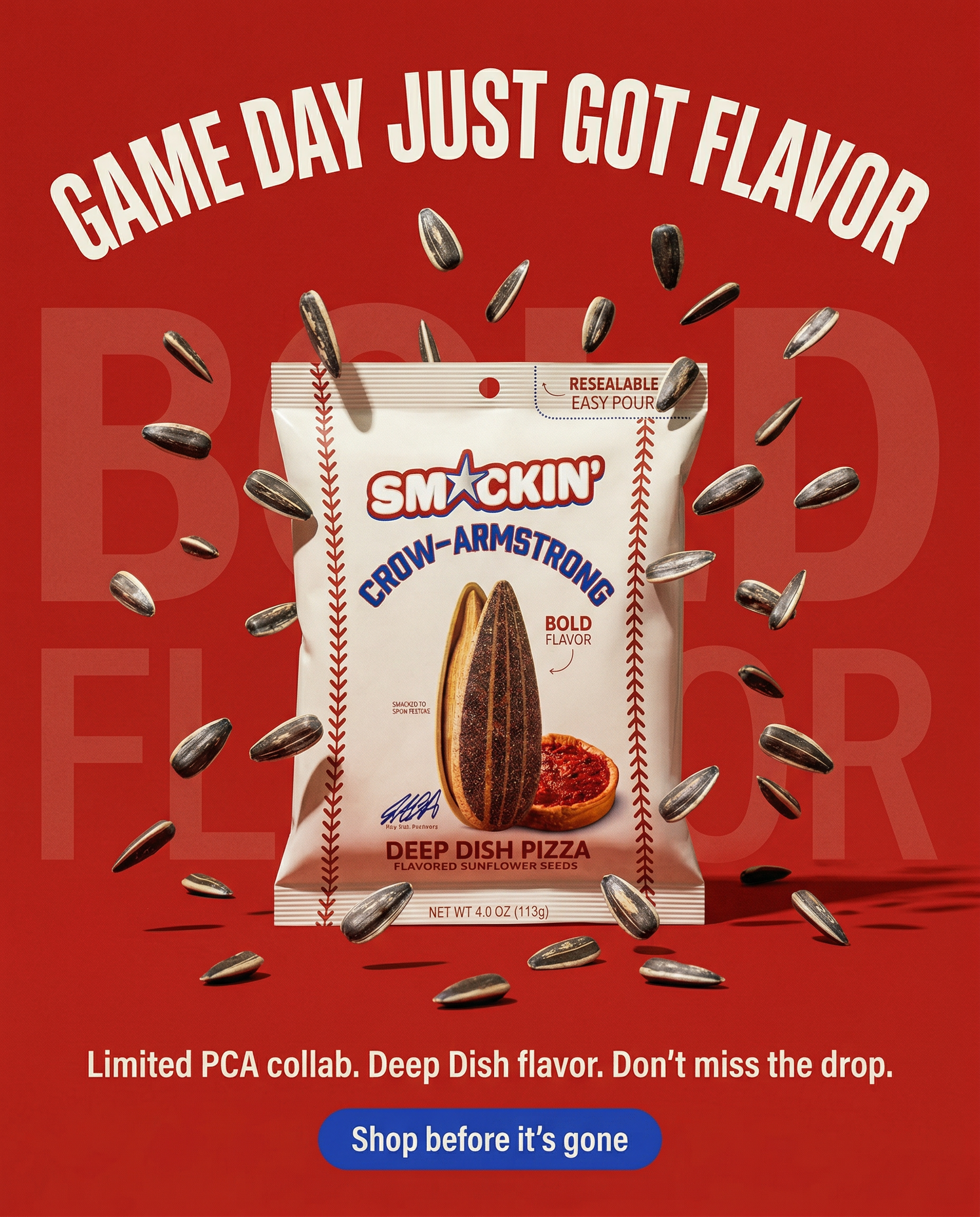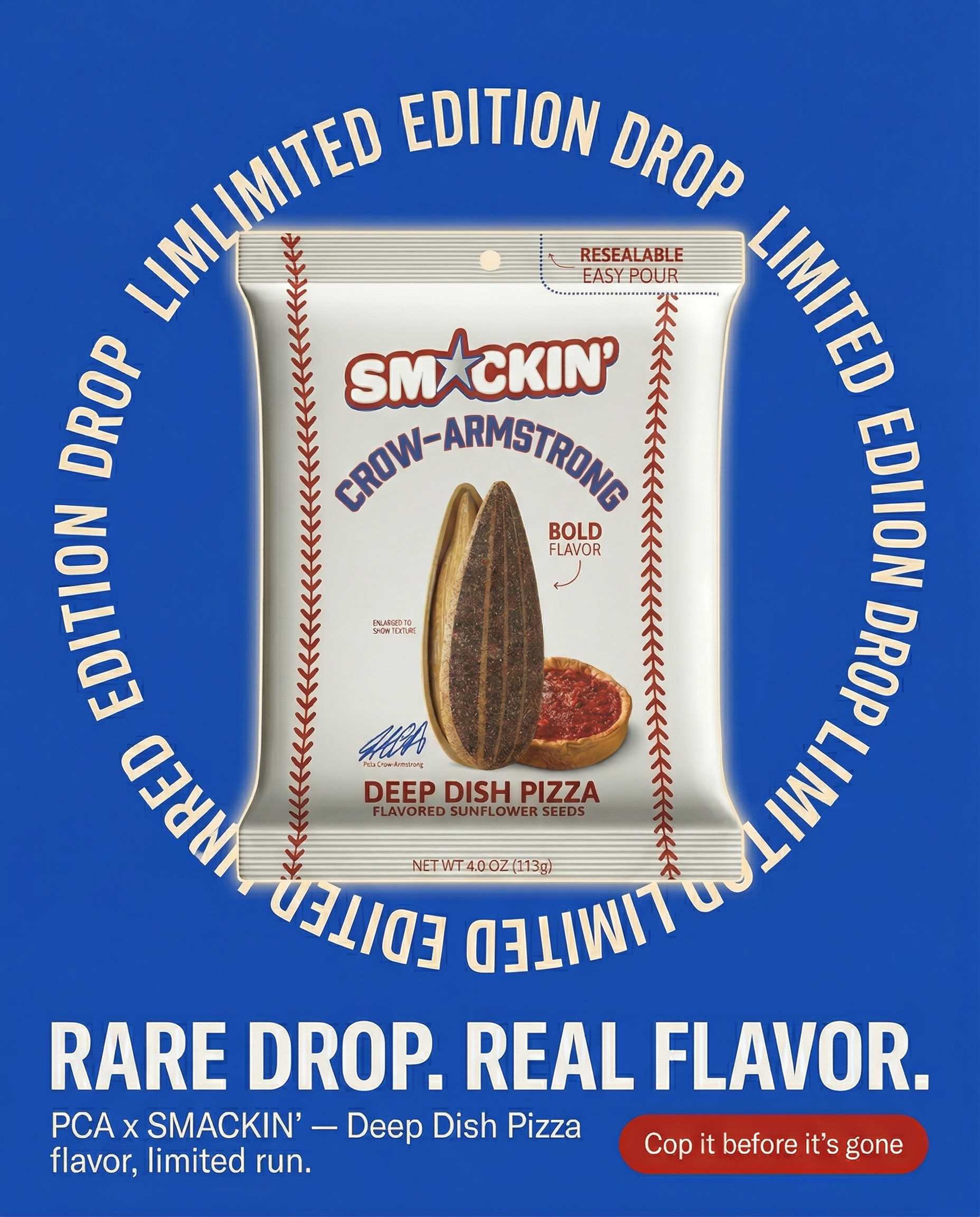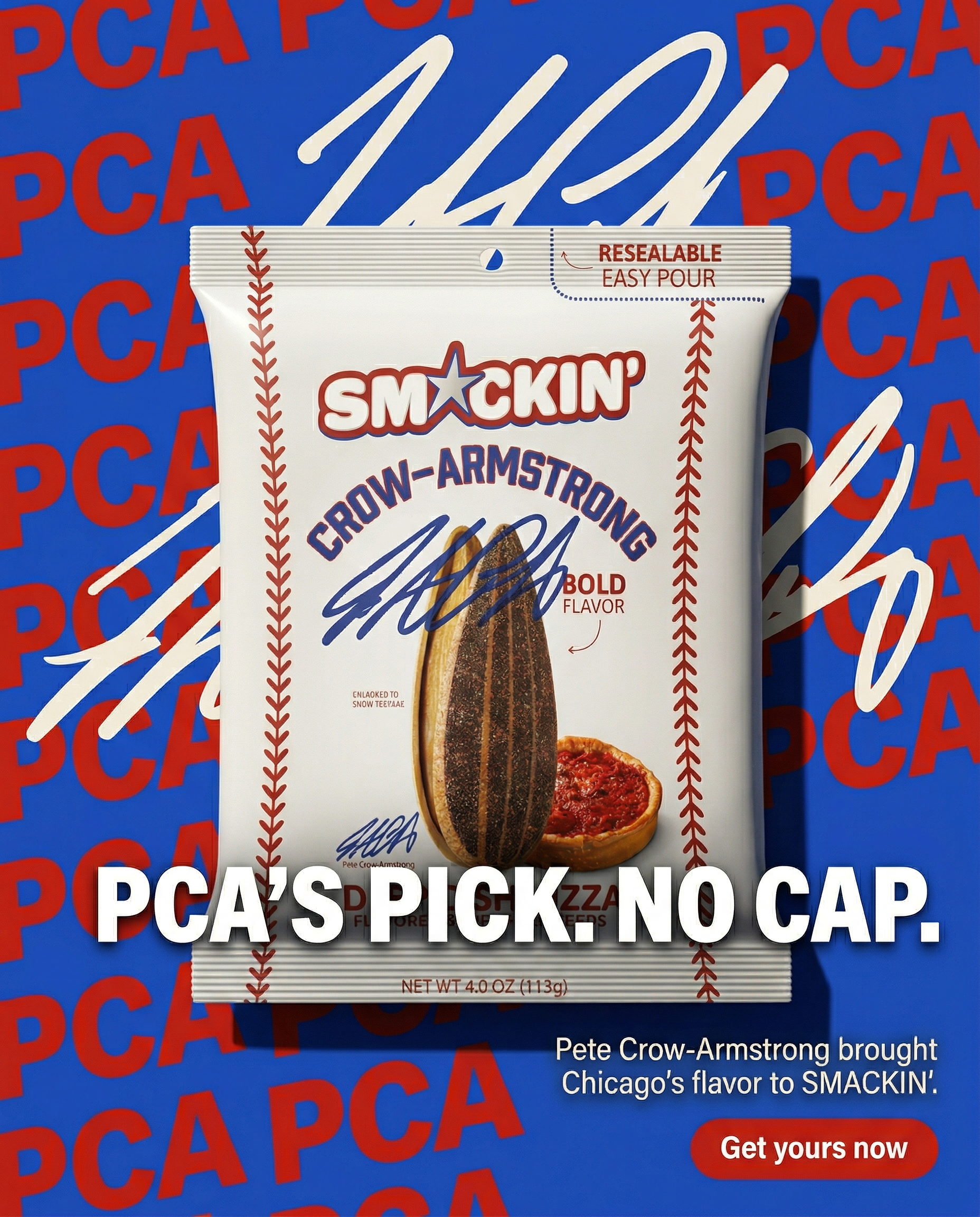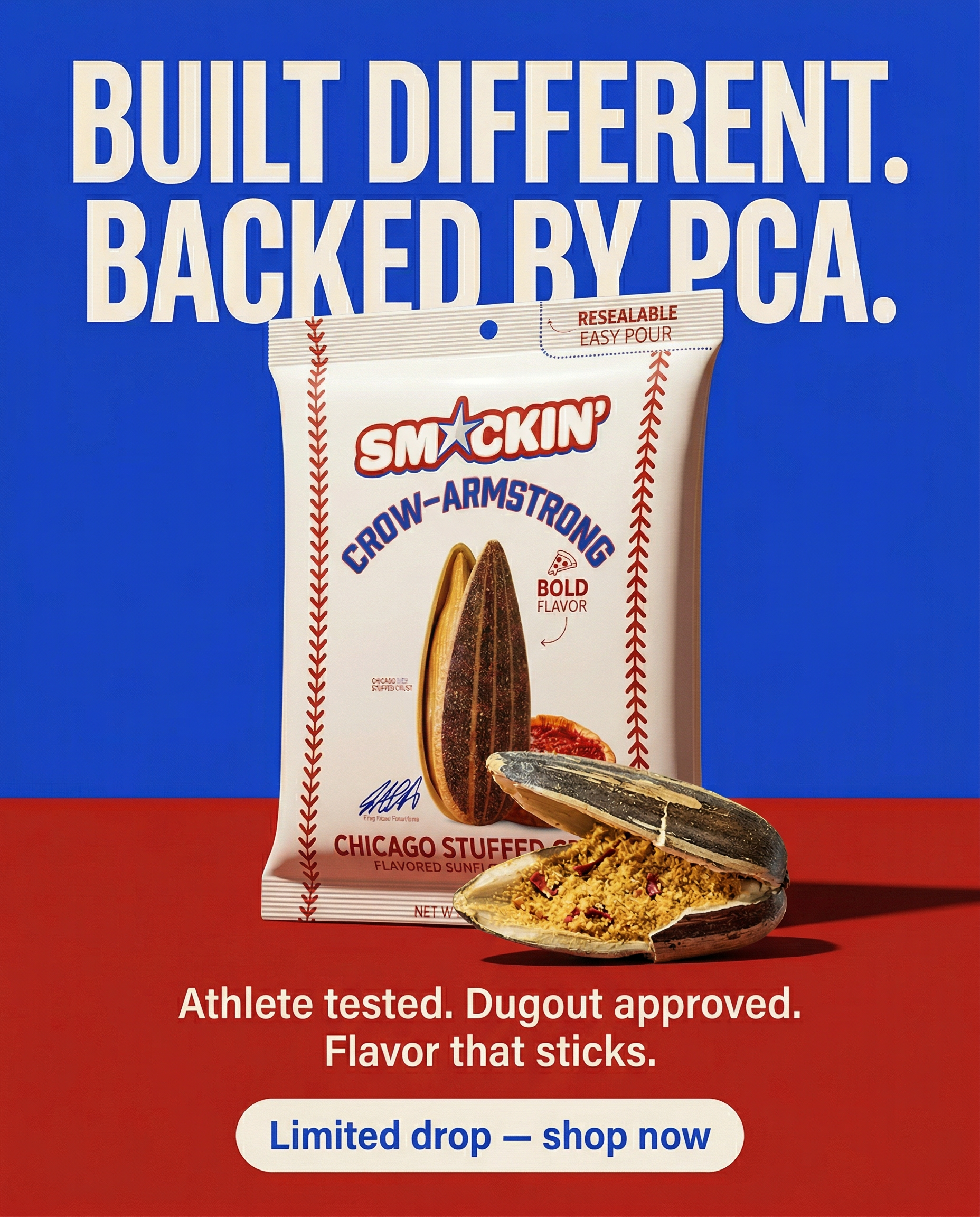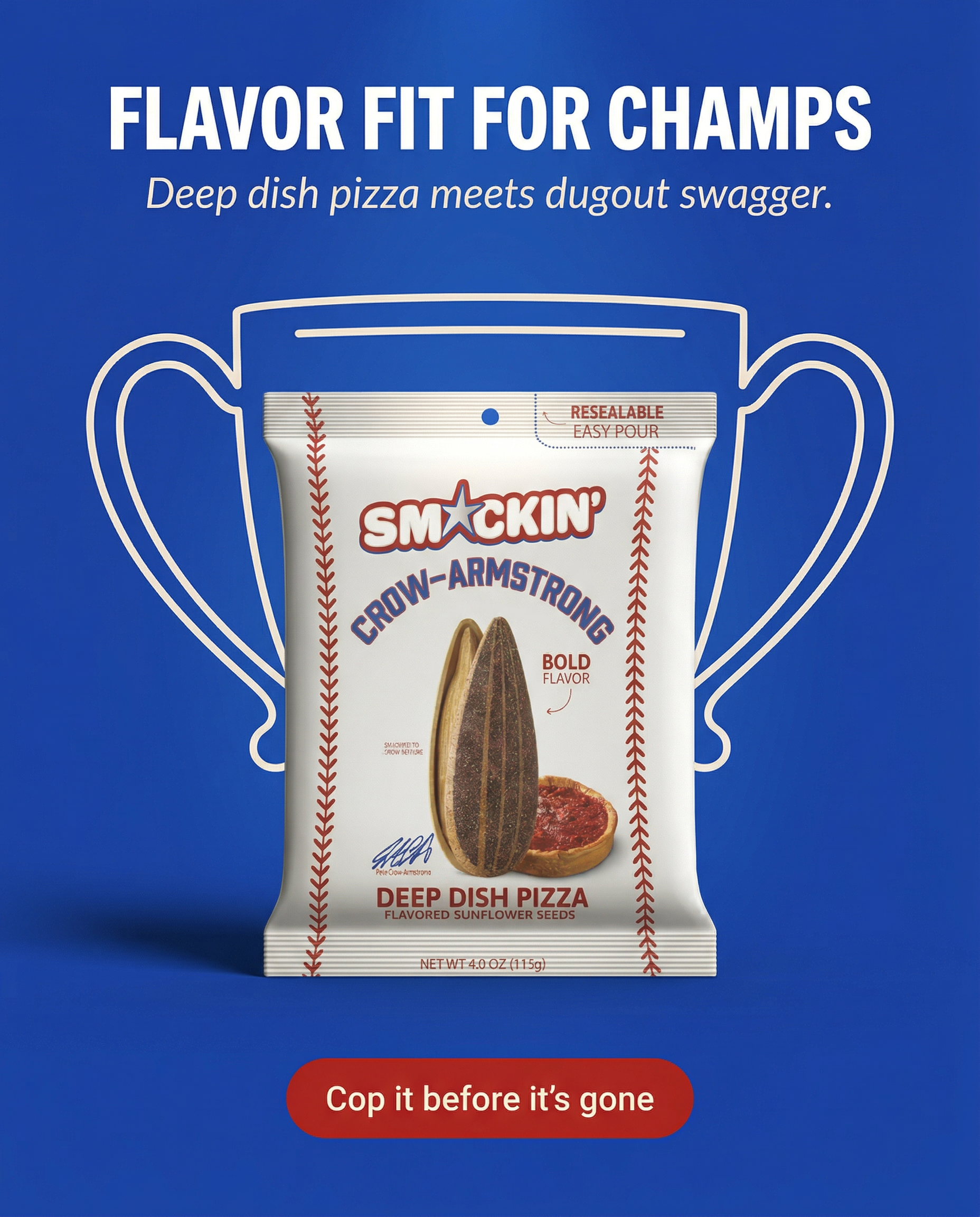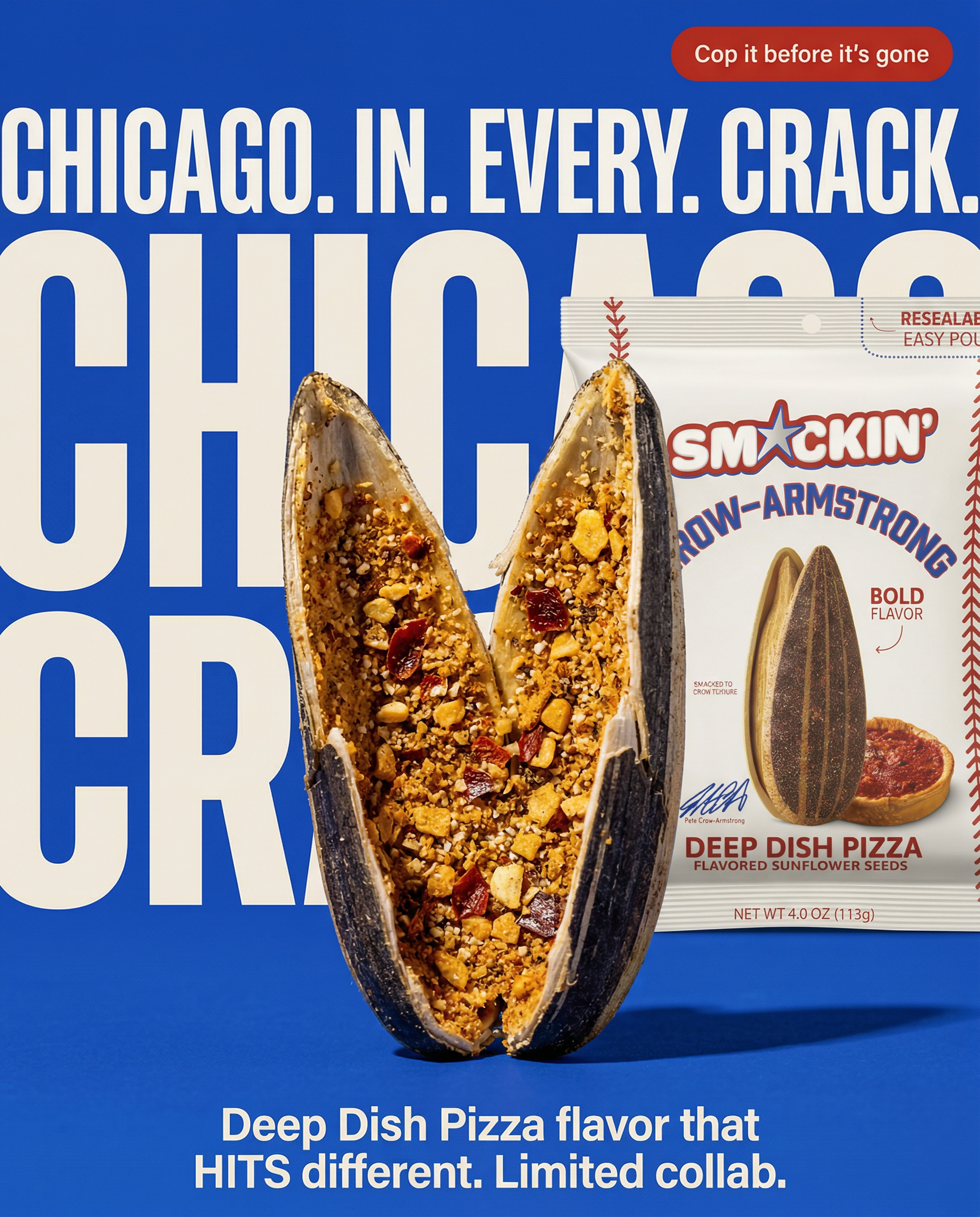
Almost every Whole Foods snack-category review meeting we have produced for in the last two years started with a Friday email from the regional or global category buyer. The email is short. It confirms the meeting date, lists the SKUs in scope, and asks for a deck plus the product imagery dropped into the buyer's IXOne and Source-To-Store assets folder before the call. The implied photography deadline is two weeks. The studio you called on Tuesday quoted six. That gap is the problem this page is built to solve.
The buyer is not asking for a creative miracle. They are asking for the same retail-grade visual fluency that 365, Siete Foods, Vital Proteins, Magic Spoon, Graza, Mid-Day Squares, Olipop, and the rest of the natural-channel category leaders ship every quarter. The buyer flips through pitch decks where every other brand has a clean GS1 hero, an in-context lifestyle frame that signals shopper occasion, a shelf simulation that proves category fit, and a pitch-deck hero with editorial pull. If your deck shows phone-shot product imagery and a stock-feeling lifestyle frame, you read as a brand that is not ready for a national chain rollout — even if the product is excellent and the brand story is sharp.
For an indie CPG snack brand at one to ten million in ARR running mostly DTC plus farmers markets and a handful of independent grocery accounts, the retail-grade photography ask is the single biggest production cliff between you and the category review. The brand's existing in-house photography is iPhone-grade lifestyle. The brand's existing studio relationships are quoting four to six weeks. The buyer's window is two. Inside that gap is where most first-time pitches lose the placement before the deck even opens. Our CPG creative agency page documents the full-stack version of the work; the rest of this page is the buyer-meeting-specific cut.