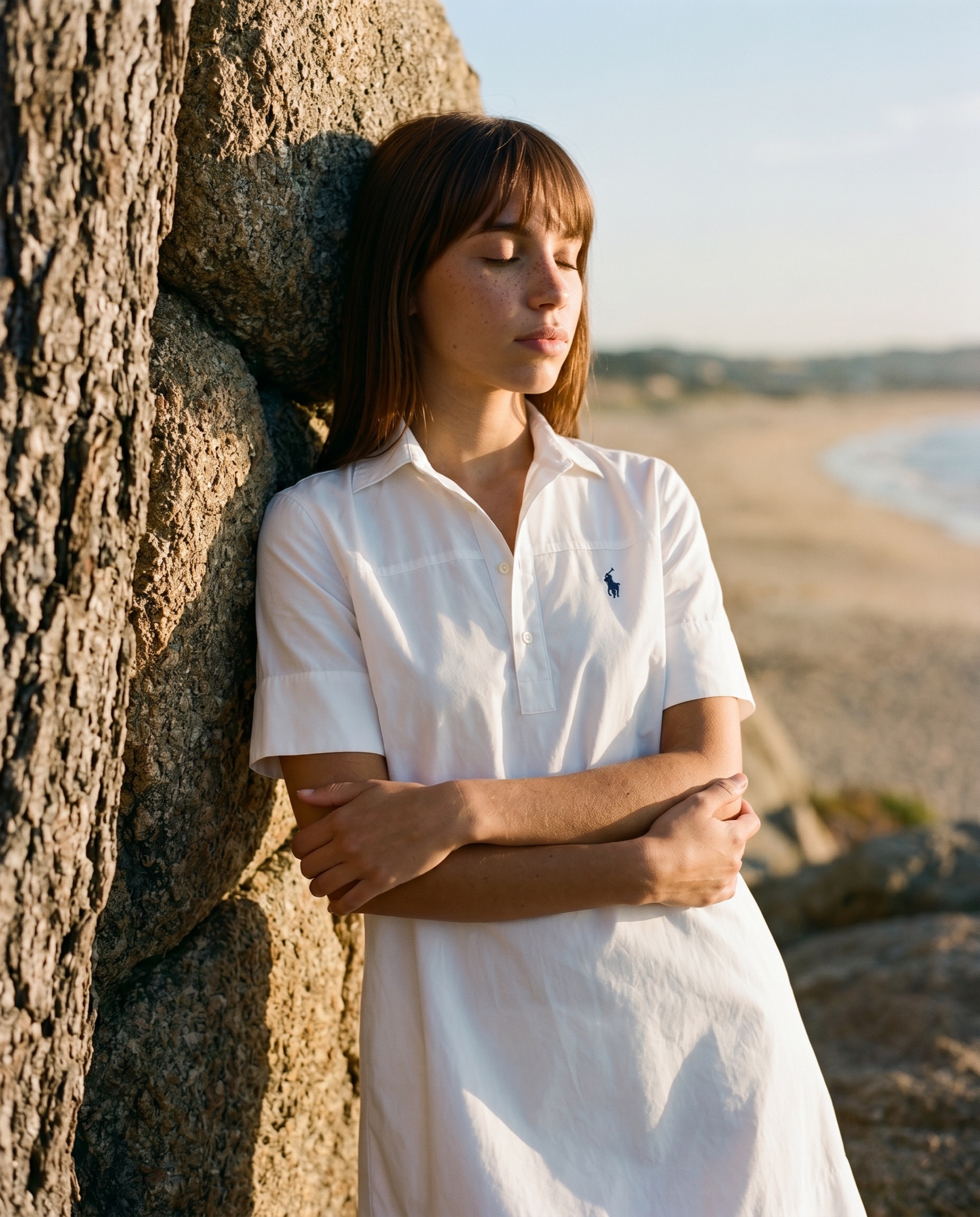
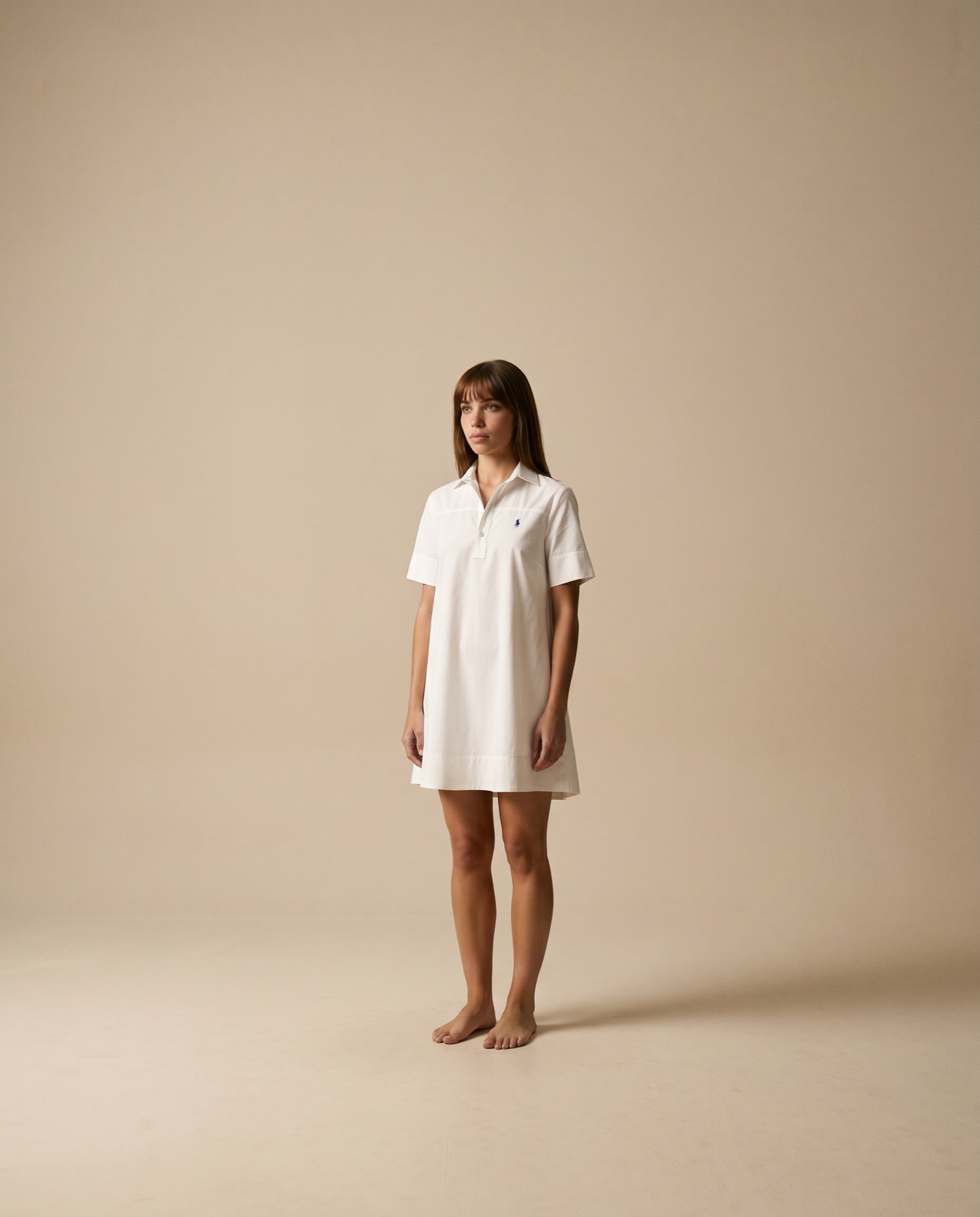
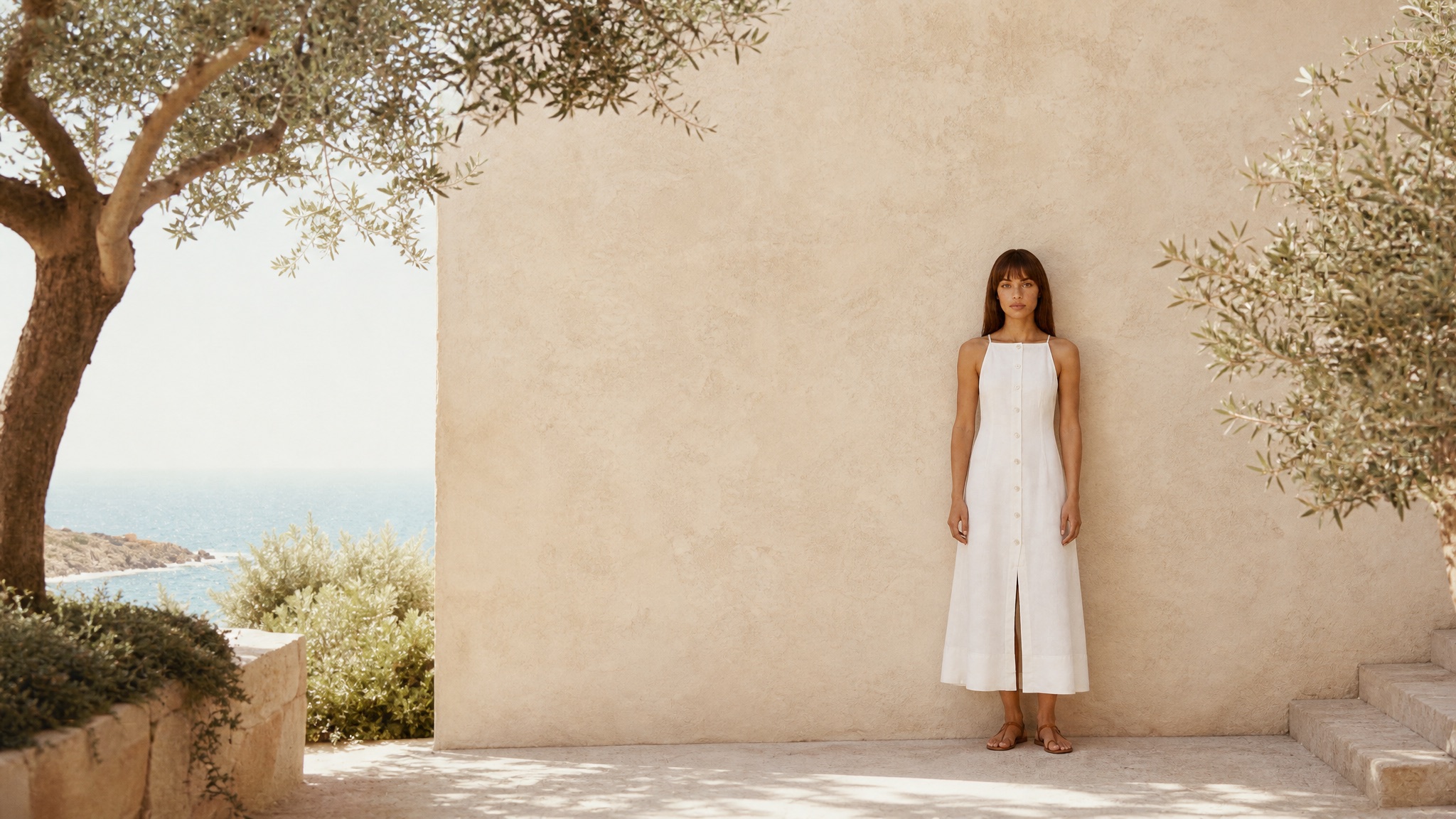
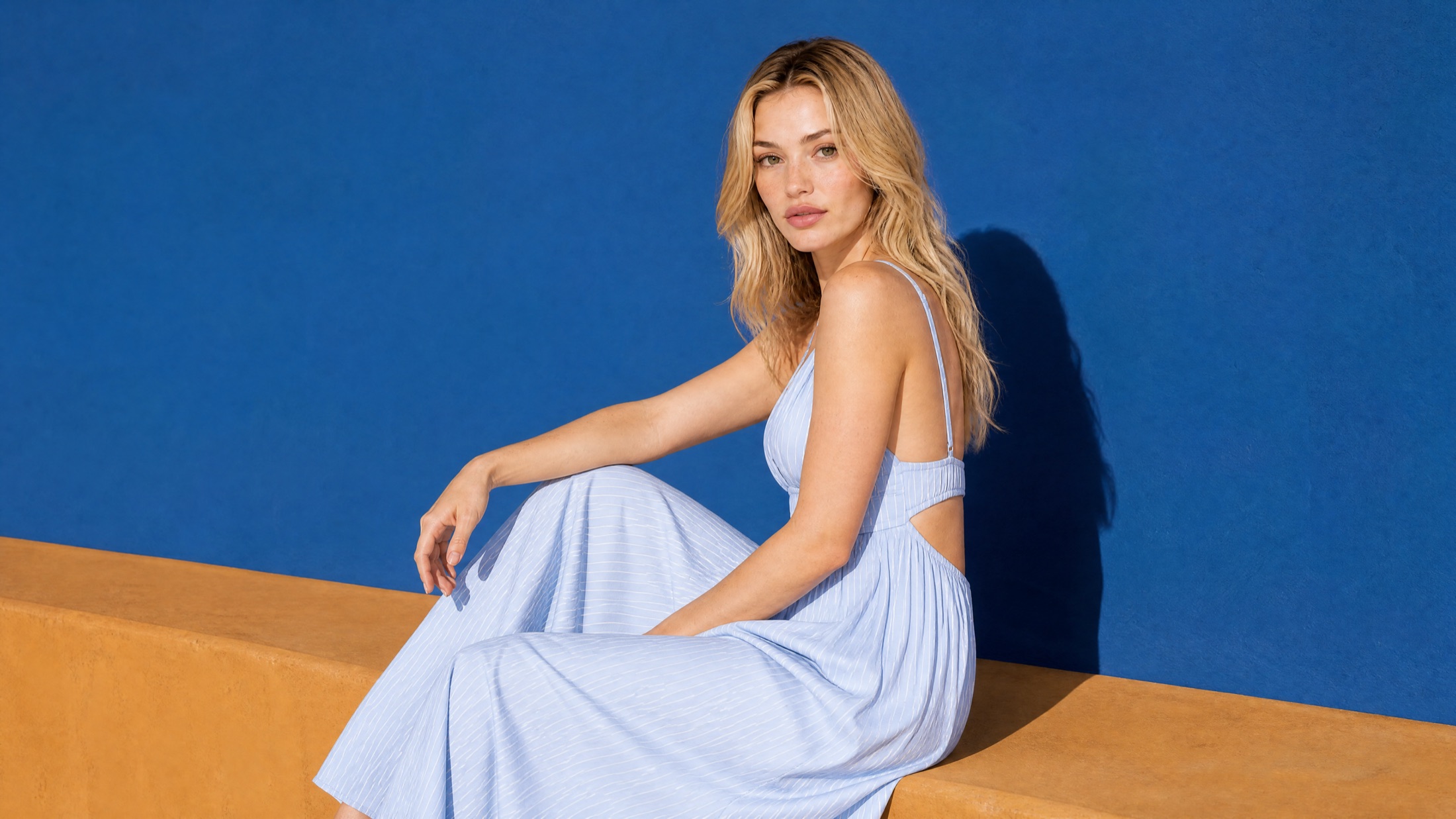
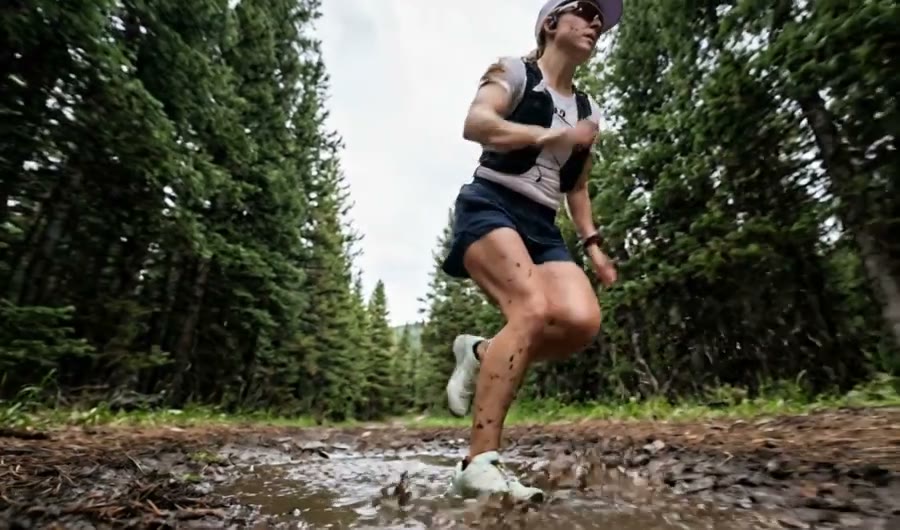
Chicago · apparel campaign, lookbook & editorial

The apparel creative agency Chicago brands hire when the season has to survive a real winter.

An apparel creative agency Chicago founders can actually run a season through has a harder brief than a coastal one. The Midwest apparel brand ships a four-season catalog — the down parka, the flannel-lined shirt jacket, the merino base layer, the transitional trench — and all of it has to read as one brand world across nine months of lake wind and gray winter light. We are a brand-world studio that produces the full visual layer for Chicago and Midwest fashion labels: the campaign hero that signals the price point, the lookbook the Nordstrom and Bloomingdale's buyer flips through, the editorial that carries the feed between drops, and the product-on-figure that converts the PDP. Every frame is composed against a single brand-spine document, so the January outerwear drop and the April transitional drop look like the same label — built for the value-conscious, quality-driven Midwest customer, the Magnificent Mile and Fulton Market retail context, and the wholesale-plus-DTC mix every Chicago brand runs.

By Abhi Chawla, founder · Last updated: 2026-06-19

Campaign reference

One Midwest brand world, held across season, surface and weather — produced as apparel creative for Chicago brands.

It is October in Chicago and the winter drop has no campaign.

It is the second week of October. The founder of a Fulton Market outerwear label is staring at a November drop that has no campaign behind it. The down parka, the storm-shell and the flannel-lined shirt jacket are sitting in the warehouse on Goose Island. The Nordstrom buyer wants linesheet imagery by Halloween. The Shopbop product team wants on-figure frames in the next two weeks. The brand's own Instagram has been running product-on-white for a month because the summer editorial finally ran out. And the only quote on the table is a Chicago studio shoot — West Loop space rental, a photographer, two assistants, a stylist, model day rates, post — that comes in at fifty-two thousand and cannot fit a date until the second week of November, which is after the drop.

This is the structural problem every Chicago apparel brand hits, and it is worse here than on either coast. The Midwest catalog is a four-season catalog, which means four times the campaign load of a brand that sells one aesthetic year-round. The outerwear work has to be shot cold or faked badly. The weather risk on any outdoor frame is real — you cannot scout a lakefront shoot in November and bank on the light. And the Midwest customer is value-conscious in a way the coastal customer is not: she will pay for a quality parka, but she can smell a campaign that cost more than the garment, and it costs you the sale.

The founder cuts the studio line, asks the team to "shoot something on the loading dock," and the November drop goes out on three iPhone frames lit by warehouse fluorescents. The parka — the actual hero product, the thing the whole season hangs on — reads flat. The loft disappears. The storm-flap detail is lost. A DTC fashion brand content calendar that should be compounding through Q4 instead resets to zero on the most important drop of the year. The problem is not the founder's taste. It is that the traditional production model cannot serve a four-season Midwest catalog at a price the brand can run.

Why the coastal studio, the local freelancer and the loading-dock shoot all miss the Midwest brief.

The first instinct, once the brand can afford it, is to fly in a coastal studio — an LA or New York crew with a portfolio full of editorial. The frames come back beautiful and rootless. The model reads like she has never felt thirty-mile-an-hour wind off Lake Michigan. The down parka is styled open over a slip dress because the stylist works for swim and resort brands. The campaign is aspirational in the wrong direction: it sells a fantasy the value-conscious Midwest customer does not recognize as hers. The brand pays coastal day rates for imagery that quietly tells its own customer this label is not for her.

The second instinct is the local Chicago freelancer — a real photographer, a real talent, often genuinely good. This works for one shoot and breaks across the season. Each shoot is a fresh negotiation: a new studio booking in Ravenswood, a new model who looks nothing like the last one, a new light setup, a new color-grade instinct in post. By the third drop the brand's feed reads as three different labels because no two shoots were composed against the same spine. The freelancer is solving a frame; the brand needs a season. And the weather still gates every outdoor outerwear frame on the calendar.

The third instinct is the loading-dock or apartment shoot — fast, cheap, real, and wrong for the catalog. Warehouse fluorescents at four thousand Kelvin against a campaign hero graded at fifty-five hundred. A composition language that is Stories-first sitting in a grid next to a wholesale linesheet. The technical garments — the parka loft, the shell-fabric sheen, the merino weave — are exactly the products that punish bad light, and they are exactly the products the loading-dock shoot cannot serve. The eye registers the temperature shift before the customer reads the price.

All three failure modes share one root cause: none are composed against a brand-spine document, and none are built for the specific demands of a four-season Midwest catalog. The fix is not a better freelancer or a more expensive coastal crew. It is treating apparel creative as a production discipline — one spine, one model identity, every season and surface composed against it, the outerwear work built rather than weather-gated, shipped on a cadence that fits the Chicago drop calendar instead of fighting it. That discipline is what an apparel creative agency built for the US market exists to run.

How the brand-spine document holds a four-season catalog as one world.

The work begins with a brand-spine document — a single production contract every frame is composed against, signed off by the brand's art director before a season starts. It captures the color register in Pantone-locked sRGB at under three Delta E drift, the light direction in physical units, the named environments the Midwest customer recognizes, the model identity locked to the season's casting, the negative-space ratio, and the styling logic per register. For a Chicago brand the spine carries one extra clause the coastal brief does not: it has to hold across four distinct weather seasons without fracturing into four different brands.

That is the hard part of the Midwest catalog, and it is where the spine earns its keep. The down parka in January, the trench in April, the linen in July and the flannel shirt jacket in October are four entirely different garment categories shot in four different light conditions. The spine locks what stays constant — the same casting frame, the same color discipline, the same negative-space ratio, the same editorial restraint — so the customer scrolling the feed in December and again in May reads one continuous brand world rather than a series of disconnected shoots. The weather changes inside the frame; the brand does not.

The outerwear register gets its own contract clause because it is the highest-stakes and most punishing surface. The parka frame specifies the loft, the seam structure, the storm-flap and zip-pull detail, the shell-fabric sheen, and the gray directional Midwest winter light the garment was designed to be seen in. The frame is built on the product rather than improvised on a freezing rooftop against a forecast. The result is that the November outerwear drop ships on the same two-week sprint as every other look, with the loft and texture reading true — the exact thing the loading-dock shoot cannot deliver and the coastal studio gets stylistically wrong.

From that single spine the studio outputs every surface the brand sells through. The campaign hero for the feed and paid. The lookbook the wholesale buyer flips through. The editorial that carries the months between drops. The product-on-figure for the PDP and the wholesale and linesheet imagery the buyers need. One discipline, one world, every channel — and the brand's own apparel brand identity sitting upstream as the source the spine is composed against.

01

Build for a four-season catalog, not one aesthetic

The Midwest brand ships parka, trench, linen and flannel across nine months of changing weather. The brand-spine document locks what stays constant — casting, color, restraint, negative space — so all four seasons read as one label. The weather changes inside the frame; the brand never does.

02

Compose the outerwear, don't weather-gate it

The down parka is built against the spine — loft, seam structure, storm-flap detail, shell-fabric sheen, gray Midwest winter light. The November drop ships on the same two-week sprint as every other look, with the loft reading true, instead of waiting on a freezing rooftop and a forecast that never cooperates.

03

Respect the value-conscious Midwest buyer

The Chicago customer pays for a quality garment and can smell a campaign that cost more than the product. The creative reads aspirational toward her real life — the commute, the lake wind, the long winter — not toward a coastal fantasy that tells her the brand is not for her.

04

Lock the casting frame for the season

One season, one customer. The model identity captured against the spine on day one carries through campaign, lookbook and editorial for the whole season. The buyer flipping the linesheet and the customer scrolling the feed recognize the same face — the brand reads as one world, not a rotating cast.

05

Output every surface from one spine

Campaign hero, lookbook, editorial, product-on-figure, paid cut-downs and Magnificent Mile retail-screen crops — all composed against the same document. The Nordstrom buyer, the Shopbop product team and the brand's own feed get one coherent world without re-shooting the same parka five times.

06

Ship on the Chicago drop calendar

The two-week sprint indexes back from the drop and retail calendar — the Nordstrom linesheet deadline, the Shopbop on-figure due date, the Klaviyo send, the flagship window refresh. The frames land when the calendar needs them, cropped to every channel, instead of six weeks late behind a studio booking.

The three paths a Chicago apparel brand has usually already tried.

Path 1

The flown-in coastal studio

Forty to one-hundred-forty thousand per season at LA or New York day rates plus travel and a destination. Editorial polish, rootless result. The stylist works for swim and resort, so the parka gets styled like a coastal layer. The frames are beautiful and tell the value-conscious Midwest customer this brand is not for her. Works for a tentpole once a year; wrong for a four-season catalog the customer has to recognize as her own.

Path 2

The local freelancer, shoot by shoot

Eight to twenty-five thousand per drop with a real Chicago photographer and talent. Solves a frame, not a season. Each shoot is a fresh studio booking, a new model, a new color-grade instinct, so by the third drop the feed reads as three different labels. The weather still gates every outdoor outerwear frame. Quality is high inside one shoot and incoherent across the catalog the brand actually ships.

100 Creatives

The brand-world studio contract

Twelve to thirty-two thousand per month on a two-week sprint shipping one-hundred to two-hundred frames per drop across campaign, lookbook, editorial and product-on-figure — every frame composed against the brand-spine document, casting locked, outerwear built rather than weather-gated, cropped to every channel and retail surface. One brand world across all four seasons, on the Chicago drop calendar, at a per-frame cost the founder can model.

The math against a Midwest brand's annual photography budget.

A Chicago apparel brand at the two-to-thirty-million band typically carries an annual photography budget between one-hundred-twenty thousand and seven-hundred thousand fully loaded. The four-season catalog is what makes that number hard: where a coastal one-aesthetic brand runs two campaign shoots a year, the Midwest brand needs four — winter outerwear, transitional spring, summer, and fall layering — each with its own light, its own garment category and its own weather risk. On the traditional model that is four studio shoots at forty-five to one-hundred-forty thousand each, and the math does not close. The line that gets cut is always the same one: the campaign behind the outerwear drop, which is the most important drop of the year.

The brand-world studio contract closes the math by replacing the four-shoots-a-year model with a monthly sprint. The cash line lands at twelve to thirty-two thousand per month — one-hundred-forty to three-hundred-eighty thousand per year — against one-hundred to two-hundred frames per drop, every frame composed against the brand-spine document, every season and surface covered. The outerwear drop is no longer a separate cold-weather shoot booked against a forecast; it is one register inside the same sprint. The per-frame economics land at roughly eighty to two-hundred dollars per frame versus four-hundred to twelve-hundred on the traditional Chicago studio model, and the weather risk moves off the brand's calendar entirely.

The second-order economics sit on the founder's calendar. The hours that used to go into booking studios, chasing weather windows and reshooting the parka for the Nordstrom linesheet after already shooting it for the feed — those come back. The same one-hundred-frame outerwear sprint serves the campaign, the lookbook, the Shopbop on-figure and the Magnificent Mile flagship window without a single re-shoot. For a value-conscious Midwest brand where every dollar in production is a dollar not in product or inventory, that is the difference between a Q4 that compounds and a Q4 that resets on the loading dock. The DTC content calendar finally runs ahead of the drops instead of behind them.

What the first three sprints look like for a Chicago brand moving onto the contract.

The first sprint is brand-spine ingestion. We run a four-to-six-hour working session with the founder and the in-house lead — walking the existing best frame, the season's casting, the color register in Pantone-locked sRGB, the light direction, the named environments the Midwest customer recognizes, the negative-space ratio, and the styling logic per register, with the four-season clause locked explicitly so the parka and the linen read as one brand. The output is a brand-spine document signed by the art director. We ship the first wave of frames against it inside the same two weeks, and the founder sees the brand on every frame.

The second sprint is rhythm and the hardest surface first: outerwear. We compose the parka, the shell and the flannel-lined jacket against the spine — loft, seam structure, storm-flap detail, gray Midwest winter light — and ship the November drop on cadence, with the linesheet imagery the Nordstrom and Bloomingdale's buyers need landing the same week as the feed campaign and the Shopbop on-figure frames. The founder stops being the producer chasing a weather window and starts being the reviewer. The loading-dock shoot disappears for good.

The third sprint is integration across the whole season. The transitional-spring campaign is briefed against the same spine the winter outerwear ran on, which means the December feed and the March feed are visually continuous from day one — no fracture between seasons. The wholesale linesheet refresh runs against the studio's output without back-and-forth. The Magnificent Mile flagship window gets retail-screen crops from the same DAM the social manager works out of. The brand is finally operating as one world across all four Midwest seasons, on a per-frame cost the founder can put in front of the board.

Apparel creative agency Chicago · frequent questions

What does an apparel creative agency in Chicago actually produce?

An apparel creative agency in Chicago produces the full visual layer a fashion brand ships across a season — the campaign hero that signals the price point, the lookbook the wholesale buyer flips through, the editorial that carries the feed, the product-on-figure that converts the PDP, and the paid-social cut-downs for Meta. For a Midwest brand that means the layer has to survive a four-season catalog: the down parka, the flannel-lined shirt jacket, the merino base layer and the transitional trench all need to read as one brand world across nine months of weather. We compose every frame against a single brand-spine document so the January outerwear drop and the April transitional drop look like the same label, not two.

Why hire a Chicago apparel creative agency instead of flying in a coastal studio?

Because the Midwest apparel brand is not a coastal apparel brand. The customer buying a Chicago outerwear label is buying for a real winter, a real commute and a real wind off the lake, not for a campaign fantasy. A coastal studio prices a two-day shoot at LA or New York rates, books a destination, and produces frames that read aspirational but rootless. A Chicago apparel creative agency builds the brand world around the actual market — the value-conscious-but-quality-driven Midwest buyer, the Magnificent Mile and Fulton Market retail context, the practical four-season catalog — at a per-frame cost the founder can model and a cadence that ships every two weeks instead of once a quarter.

What does a season of apparel creative cost in Chicago versus a traditional studio shoot?

A traditional Chicago apparel shoot — studio rental in Ravenswood or West Loop, photographer, two assistants, stylist, glam, model day rates, location permits if you go outdoor, post and contingency — runs forty-five to one-hundred-forty thousand all-in per season against forty to ninety usable frames over two to four shoot days, plus weather risk on any outdoor outerwear work. A brand-world studio shipping the same season on a two-week sprint cadence — campaign hero, lookbook, editorial, product-on-figure and paid cut-downs across one-hundred to two-hundred frames — runs twelve to thirty-two thousand per month against the drop calendar. The studio absorbs the weather risk because the environment is composed, not scouted.

Can you produce winter outerwear imagery without a real winter shoot?

Yes, and for a Chicago outerwear label that is the entire point. The traditional model needs the down parka shot in October for a November drop, which means either an expensive cold-weather location shoot booked against a forecast or a studio that fakes snow badly. We compose the outerwear frame against the brand-spine document — the parka loft, the seam structure, the lake-wind context, the gray Midwest winter light direction — and ship it on the same two-week sprint as every other look. The garment reads true: the loft, the drape, the storm-flap detail and the texture all hold, because the frame is built on the product, not improvised on a freezing rooftop in Fulton Market.

What kind of Chicago and Midwest apparel brands is this for?

Founder-led and brand-director-led apparel labels in the roughly two-to-thirty-million revenue band across Chicago and the broader Midwest — DTC contemporary brands, technical and heritage outerwear specialists, denim and workwear labels with a Carhartt-adjacent heritage register, and the contemporary women's brands stocked on the Magnificent Mile and in Fulton Market boutiques. The common thread is a four-season catalog that has to look like one brand, a value-conscious-but-quality-driven Midwest customer, and a wholesale and DTC mix where the same imagery has to work for a Nordstrom buyer, a Shopbop linesheet and the brand's own Instagram feed.

Will the imagery look like our brand or like a generic agency house style?

Like your brand. Every engagement starts with a brand-spine document that captures your color register in Pantone-locked sRGB, your light direction in physical units, the named environments your Midwest customer recognizes, the model identity locked to your season's casting, and the negative-space ratio your existing best frame is built on. Every campaign, lookbook and editorial frame is composed against that spine. The agency house-style trap — where one agency runs every client through a single coastal look — is the exact failure mode the brand-spine contract was engineered to prevent. The test on every frame is whether your art director would have signed it off without notes.

How fast can you turn around a drop for a Chicago brand?

On a two-week sprint. Week one runs on the brand side: the founder or in-house lead sends the sprint brief — the looks, the registers, the channels — indexed to the drop calendar and cited against the brand-spine document. Week two runs on the studio side: composition, first-pass review against the spine, finishing, and delivery into the brand's DAM cropped to every channel aspect ratio — Instagram 1:1 and 4:5, TikTok and Reels 9:16, Pinterest 2:3, email hero, PDP and Magnificent Mile retail-screen crops. The drop ships on the calendar instead of waiting on a studio day six weeks out and a weather window that never quite opens.

How does this fit alongside our wholesale and retail accounts?

It is built for the wholesale-plus-DTC mix every Midwest apparel brand runs. The same brand-spine document outputs the campaign hero for the feed, the lookbook and linesheet imagery the Nordstrom, Saks, Bloomingdale's and Neiman Marcus buyers need, the Shopbop and Revolve product-on-figure frames, and the retail-screen assets for the Magnificent Mile flagship window. One production discipline, one brand world, every surface a Chicago apparel brand sells through — without re-shooting the same parka five times for five different buyers.

Start the next drop

Bring us your Chicago season. The outerwear will ship on time.

If you are a founder, brand director or in-house creative lead at a Chicago or Midwest apparel label staring at a four-season catalog and an outerwear drop with no campaign behind it — send your existing best frame and the season's casting. The brand-spine document will be locked in the first week, the casting frame will be locked across the season, and campaign, lookbook, editorial and product-on-figure will ship on a two-week sprint inside your drop calendar. Send your brand and we'll reply with a plan — abhi@paperkites.co.

Book a Chicago brand call