
For the Amazon Brand Manager whose A+ Content is the fallback template

AI photography for Amazon A+ Content modules.

The Tuesday morning BSR check told the story the Amazon team had been avoiding. The hero ASIN — live for eighteen months, main image compliant, fourteen thousand sessions a week, twenty-two thousand a month in sponsored product spend — is converting at eight-point-four percent. The category competitor one rank above is converting at thirteen-point-two against equivalent traffic. The diff is not the main image, not the price, not the bullets. The diff is the A+ Content. Theirs is the Amazon fallback template — text-only, no module imagery. The competitor's is the comparison chart in slot one, image-and-text carousel in slot two, four-image-with-text in slot three, Premium A+ video module in slot four, Brand Story carousel rendering above all of it. The gap is roughly one and a half million dollars of unrealized conversion across the catalog per year.

AI photography for Amazon A+ Content modules is a specific production discipline — module-ready compositions at the exact aspect ratios Amazon enforces (970×600 standard module hero, 1464×600 Brand Story desktop, 463×632 Brand Story mobile, 300×300 module thumbnail, 970×300 single-image banner, 1920×1080 Premium A+ video poster, 150×300 comparison chart cell), composed against one locked brand reference so every module across every ASIN reads as one brand, delivered as a flat-file-ready module library mapped by ASIN and module type for Brand Registry bulk ingestion. We ship that production across the full catalog on a fourteen-day sprint for brand-registered sellers between $2M and $25M ARR running 20 to 200 ASINs, with Brand Story for the whole brand and Premium A+ video plus comparison-chart imagery for sellers above the $10M Amazon revenue threshold — at one fifth the per-module cost of traditional Amazon studio rates.

By Abhi Chawla, founder · Last updated: 2026-05-27

A+ Content master reference, brand-registered supplements

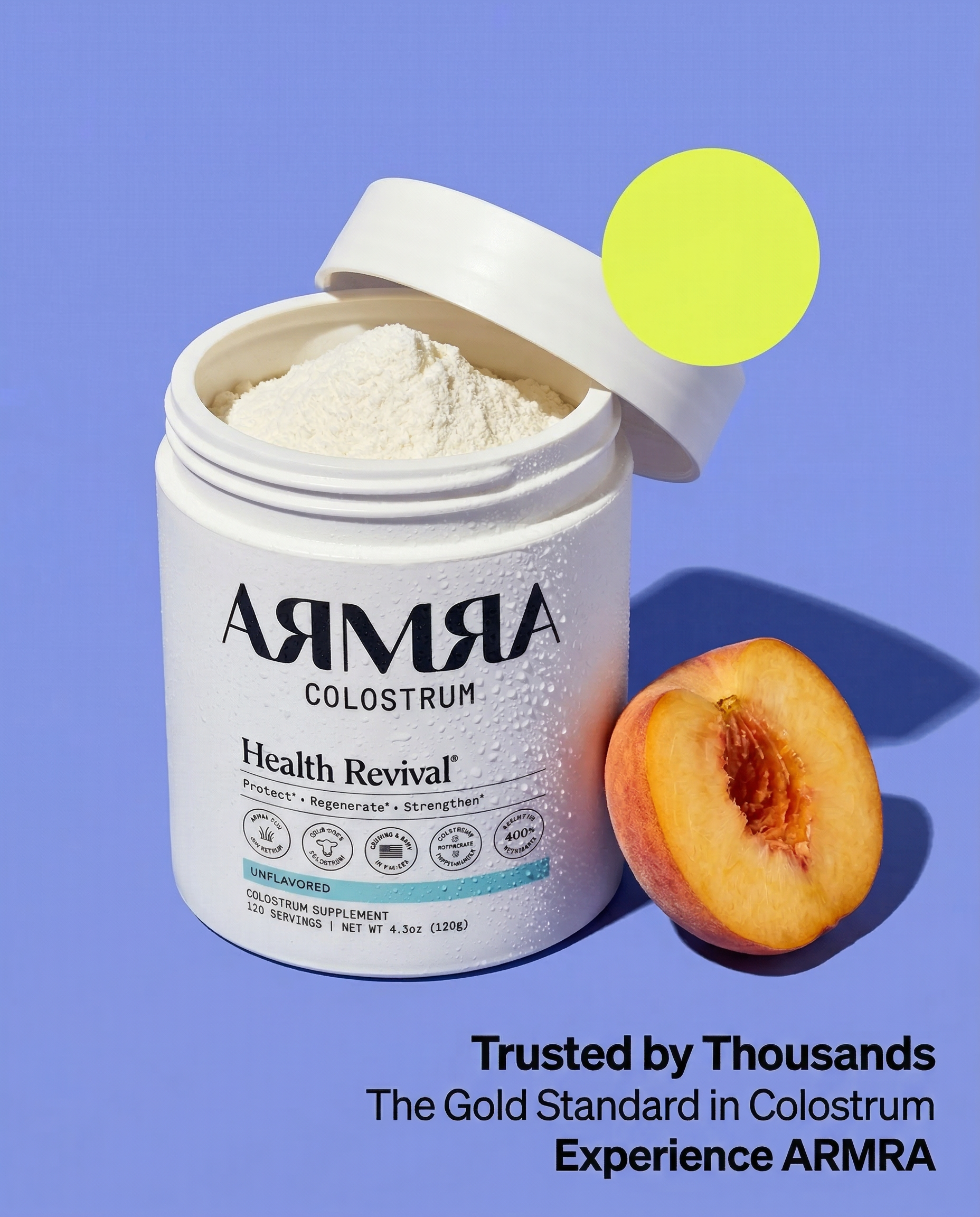
One locked brand reference, every module composes against it — produced as AI photography for Amazon A+ Content.

"Why is the competitor converting fifty percent higher than we are?"

Every brand-registered Amazon seller we have worked with since 2023 has had this exact Tuesday. The Q1 review pulls trailing twelve-week CVR by ASIN against the top three competitors in the same category subnode. The hero ASIN is at eight. The competitor above is at thirteen. The category average sits at nine. The team has already audited price (matched), main image (compliant), six-secondary pack (deployed), title and bullets (optimized against Helium 10 and Jungle Scout cohort data), and review velocity (in line). The variable that has not been audited is the A+ Content.

A+ Content is the section between the bullet list and customer reviews on every brand-registered listing — five to seven module slots the brand controls. A seller who has not deployed modules ships the Amazon fallback template by default: text-only bullets, no module imagery, no comparison chart, no Brand Story above it. Most catalogs ship the fallback for the first eighteen months because A+ Content production at $300-$900 per module across 200 ASINs against five-to-seven modules per parent is a $1,500-$6,300 per-ASIN line that does not survive the merchandising budget. The bestseller competitors either built an in-house Amazon photography team at a $500k annual cost line or run a production retainer that holds the per-module cost at one fifth of studio rate. Either way, the brand without full A+ Content is leaking three to ten percent of CVR on every listing.

The lift is asymmetric across the catalog. Consideration purchases — supplements, premium cookware, electronics, beauty serums, wallet and accessories — earn the higher end because the comparison chart and the four-image-with-text module carry decision weight text and the main image alone cannot resolve. Commodity purchases earn the lower end because the main image and price carry most of the decision. The brand running a mixed catalog without coverage is therefore leaking the most CVR on the highest-AOV ASINs — typically the hero ASINs the brand cannot afford to leak on. The strategic frame on the trade-off sits inside our Amazon main image photography page — the main image keeps the listing in search, A+ Content moves the customer to checkout, and the brands that win Amazon in 2026 ship both.
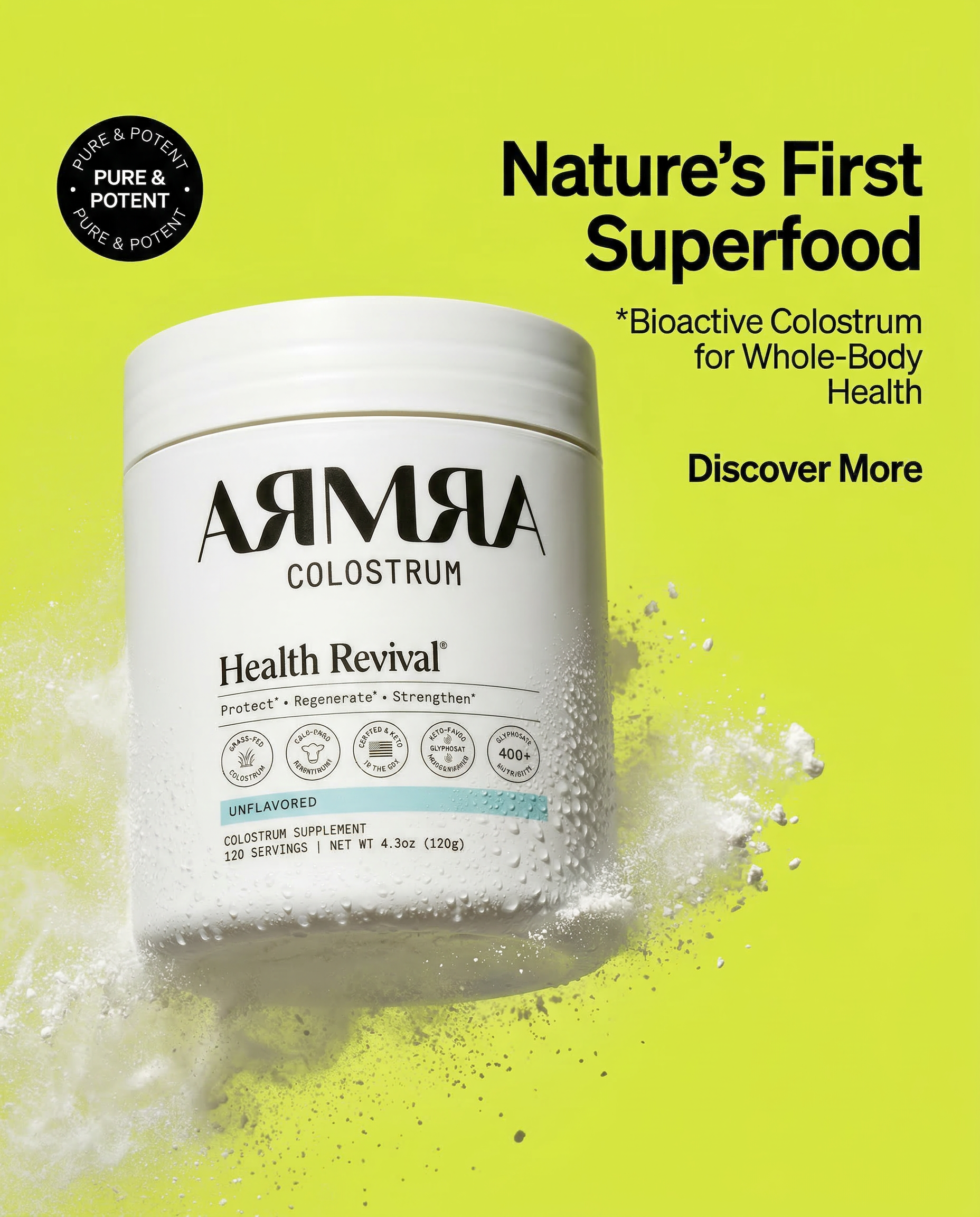

Five module types, five aspect ratios, one brand-spine register.

Amazon's standard A+ Content set in 2026 includes seven module types that any Brand Registry seller can deploy across the five-to-seven slot allocation per ASIN. The comparison chart is the highest-impact module on consideration purchases — a six-column matrix surfacing the brand's hero SKU in column one against five sibling SKUs or category competitors, image cells at 150×300 per product, the lead ASIN highlighted at 300×300 in the leftmost column. The image-and-text module is the workhorse — a 970×600 hero with body-copy block adjacent, used for ingredient narrative or category-leadership claim. Four-image-with-text renders a quartet of 220×220 thumbnails with caption blocks, used for benefit panels. Single-image-with-text is the full-bleed hero with overlay copy for brand-statement moments. Image-and-light-text-overlay is a 970×300 banner with semi-transparent text — used sparingly because the visual weight is heavy.

Every one of these modules composes most effectively when it inherits from a single brand-reference package. The comparison chart on the hero ASIN should read in the same register as the image-and-text module two slots down. When modules ship from different production sources — one shot by the in-house designer using a stock library, one composed by a freelance product photographer, one rendered by a generic AI tool — the brand reads as four different brands stitched together inside one listing. The CVR lift band collapses because the customer cannot resolve the cognitive load of register variance during a five-second module scan. Production-grade AI photography composes every module against one locked master reference. The brand reads as one brand across every module, every ASIN, every Amazon surface. The master-reference discipline frame sits inside our best AI product photography agency for DTC brands anchor page.

Premium A+ Content adds three modules — the video module at 1920×1080 playing inline without click-out, the enhanced FAQ with embedded imagery per Q&A pair, and the comparison chart with hover states surfacing additional product detail. Premium also unlocks an interactive carousel supporting seven slides versus the four-slide cap on standard, and a hotspot module that overlays clickable callouts on a hero image. Premium unlocks at approximately $10M annual Amazon channel revenue, managed by the brand's Amazon account manager and varying by category and account history. Sellers below the threshold can request invitation; the request clears faster when the account is already running full standard A+ Content coverage. Brands operating Premium at full coverage earn an additional one to four percent CVR lift on top of standard A+ Content — typically because the video module and enhanced FAQ move customers through consideration friction static imagery cannot resolve alone.

What full A+ Content coverage actually looks like.

Full coverage is not seven modules everywhere — it is the right five-to-seven modules per ASIN, composed against one brand reference, shipped across the parent and inherited by every child in the variation relationship. The six below are the ones that earn the lift band.

01

Comparison chart, slot one

Six-column matrix at 150×300 per product cell with the brand's hero ASIN at 300×300 leftmost. Surfaces competitive position before the customer scrolls to reviews. Highest-impact module on consideration purchases.

02

Image-and-text, ingredient narrative

970×600 hero image with body-copy block adjacent. The workhorse module for ingredient story, feature callout, or category-leadership claim. Composed once, derived per-ASIN with the variant overlay locked into the hero composition rather than as a separate render.

03

Four-image-with-text, benefit panel

Quartet of 220×220 thumbnails with caption blocks beneath. Used for benefit panels, use-case scenarios, or material-and-construction callouts. Earns disproportionate lift on parent ASINs where the four thumbnails carry visual story the main image cannot resolve alone.

04

Brand Story carousel above all

Four-to-six slide carousel at 1464×600 desktop, 463×632 mobile. Renders above A+ Content on every ASIN across the brand. Composed once at brand level — earns two to five percent cross-sell lift per parent ASIN by embedding Storefront subcategory tiles directly inside the listing.

05

Premium A+ video module

1920×1080 inline video with a 970×600 poster frame. Plays without click-out beneath the bullet section. Unlocks at $10M Amazon revenue or by account-manager invitation. Adds one to four percent CVR on top of standard A+ Content because video resolves consideration friction static cannot.

06

Premium enhanced FAQ + hotspot

FAQ module with embedded imagery per Q&A pair, plus hotspot overlay with clickable callouts. Surfaces questions the support inbox is already answering — reducing return rate two to five percent.

Module variants composed against one master reference

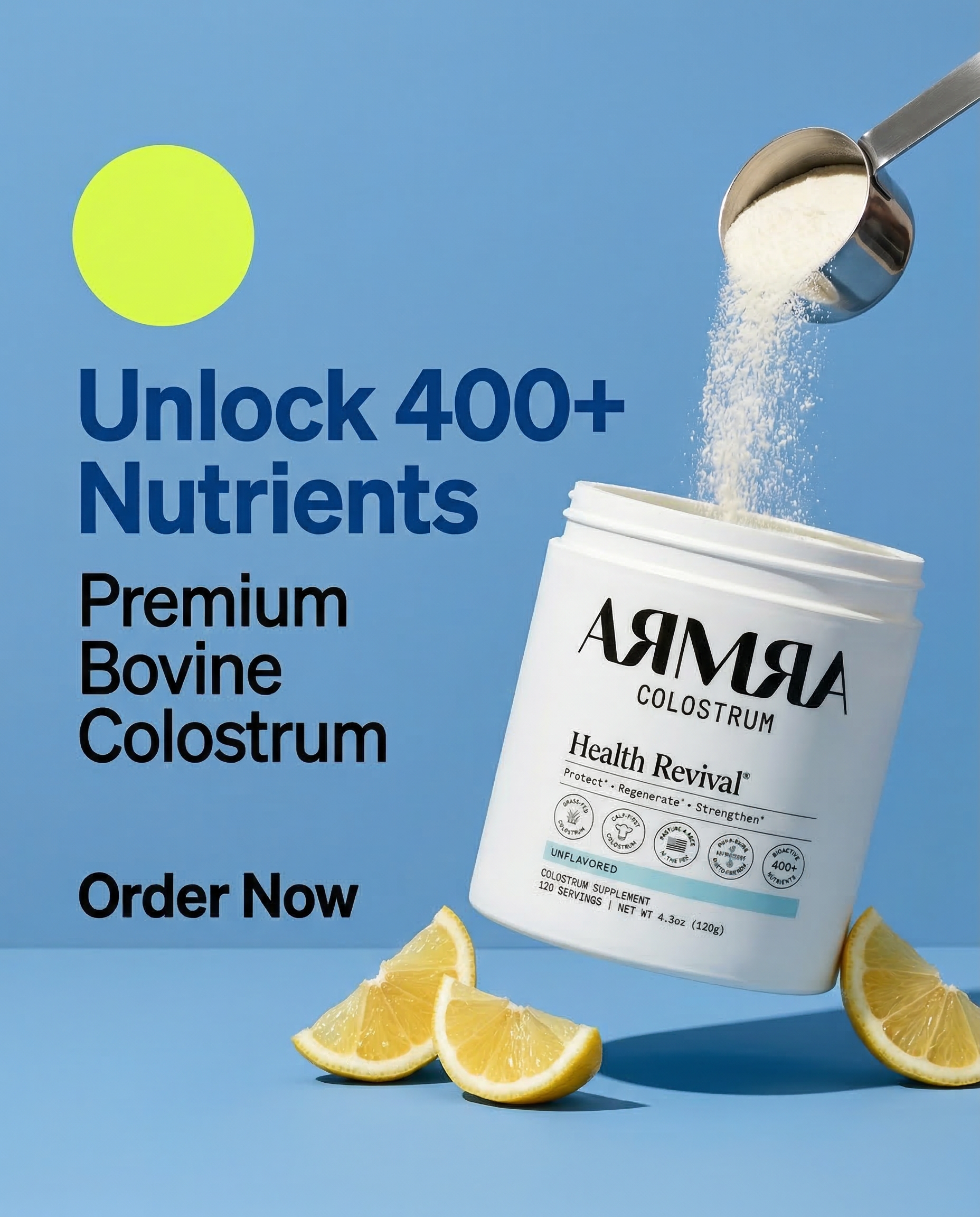
Six module surfaces, one brand register — produced as AI photography for Amazon A+ Content.

$2M, $10M, and $25M+ — the A+ Content coverage each tier actually needs.

EMERGING

Brand Registry, $2M–$5M Amazon revenue

Twenty to sixty ASINs across one or two parent listings. Standard A+ Content unlocked, Premium A+ Content not yet eligible. The tier where deploying the five-module standard pack across the top fifteen ASINs by revenue earns the steepest CVR lift per dollar of production. Twelve to twenty-eight thousand dollars covers the wave-one A+ Content build plus Brand Story carousel, delivered against a fourteen-day catalog sprint, with the long-tail ASINs queued for wave-two on a follow-on retainer.

SCALING

Brand Registry, $5M–$15M Amazon revenue

Sixty to one hundred and twenty ASINs across multiple parent-child variation relationships. Standard A+ Content deployed across the bestsellers, Premium A+ Content invitation often pending or recently granted at the upper end of the band. The tier where full standard A+ Content across the catalog plus Brand Story plus the first round of Premium A+ Content video on the top five hero ASINs earns the catalog-wide CVR lift that justifies the production retainer. Twenty-eight to fifty-five thousand dollars per quarter for ongoing module refresh and seasonal updates.

LEADER

Brand Registry, $15M+ Amazon revenue

One hundred and twenty to several hundred ASINs across a mature parent-child catalog. Premium A+ Content fully unlocked. The tier where the video module on every hero ASIN, the enhanced FAQ on every consideration purchase, the hotspot overlay on the comparison chart, and Brand Story refreshed quarterly are the operating discipline that holds CVR three to five points above the category average. Forty-five to eighty thousand dollars per month on a category-leader retainer covering the full Amazon surface plus the brand's in-house creative team integration.

Sample receipt Monday week one. Full A+ Content library in Brand Registry by Friday week two.

Monday week one the engagement opens with master reference ingestion. The brand ships one hero SKU plus three variation children, the existing brand standards document (or Pantone color reference if no formal standards exist), and the Brand Registry account confirmation mapping to the ASINs in scope. The production lead spends Tuesday and Wednesday inside the brand-reference package — Pantone color locked in sRGB hex, photography rules captured in physical units (focal length, aperture, light direction, color temperature), model identity locked, do-not-render list captured against previous shoot scar tissue, signature backdrop documented, Amazon style-guide overlay applied. The reference package signs off Wednesday end of day before any module composes.

Thursday and Friday week one are wave-one production on the top twenty ASINs by revenue. Five A+ Content modules per parent — comparison chart, image-and-text, four-image-with-text, single-image-with-text, image-and-light-text — composed against the reference and delivered Friday end of day. Brand Story for the whole brand composes against the same reference and ships the same Friday. Monday and Tuesday week two are wave-two on the next sixty to one hundred ASINs. Wednesday is wave-three on long-tail ASINs plus Premium A+ poster frames at 970×600, video module storyboard reference frames at 1920×1080, and Sponsored Brands hero variants at 1500×300. Thursday is QC against Amazon's automated module review — we keep a local emulation calibrated against rejection patterns logged across the last twelve months — and Friday is delivery in the flat-file-ready format.

The delivery is a Brand Registry-ready module library mapped by ASIN and module type. Each ASIN row includes the comparison chart cell URLs, image-and-text hero URL, four-image-with-text thumbnail URLs and caption text, single-image-with-text hero URL, image-and-light-text banner URL, and Brand Story slide URLs. The brand-side merchandising team uploads via Brand Registry's bulk module ingestion or via the manual A+ Content Manager UI. Amazon's automated module review typically clears compliant module imagery inside two to twelve hours per ASIN. Modules go live across the catalog inside seventy-two hours. The sprint-cadence frame sits alongside our ad creative testing framework for brands running parallel Meta and Amazon production cycles.

$300 to $900 per module traditional, $60 to $140 per module on a brand-registered retainer.

The per-module economics of A+ Content on the traditional path are documented inside the Helium 10 operator forum and the quarterly category benchmarks Marketplace Pulse publishes. A specialty Amazon studio or a senior product photographer with module-composition experience charges $300-$900 per module slot, with most brand-registered ASINs deploying five to seven modules. Per-ASIN module cost on the traditional path lands $1,500-$6,300 before Brand Story and Premium A+ layers. A 200-ASIN catalog at full module coverage on traditional rates is $300k-$1.25M for the A+ Content layer alone, with Brand Story typically adding $12k-$30k and Premium A+ video adding another $25k-$75k per hero ASIN at full production.

AI production on the same scope runs $60-$140 per module across the full catalog, including the standard module pack, comparison chart cells, Brand Story, and Premium A+ poster frames. A 200-ASIN catalog at full A+ Content coverage on AI rates lands $60k-$140k for the equivalent module count. The master reference locks once at the brand level rather than re-paid per module, and variant overlays inherit deterministically across parent-child relationships. The per-asset comparison against traditional studio production sits inside our Amazon apparel listing photography page for the apparel-category module overlay.

The second-order math is the CVR lift. Listings running full A+ Content convert three to ten percent higher than fallback-template listings, higher end on consideration purchases. At a $400k monthly Amazon channel running a six-percent lift from full A+ deployment, incremental annualized revenue is roughly $288k per year — recovering the full 200-ASIN AI A+ Content production cost inside four to six months and recovering the traditional studio cost in two-and-a-half to four years if it ever recovers. The lift band stacks against Premium A+ lift (additional one to four percent), Brand Story cross-sell lift (additional two to five percent on parent ASINs), and return-rate reduction (two to five percent on listings with enhanced FAQ). Brands operating the full module surface against a master reference earn between eight and nineteen percent compounded CVR lift across the catalog.

AG1, Ritual, Magic Spoon, Vital Proteins, Liquid IV, Olipop — what full A+ deployment looks like.

The brands operating Amazon at full A+ Content deployment in 2026 are visible to any Brand Manager scrolling category bestseller pages. AG1 runs Premium A+ with the video module in slot one introducing the formulation, the enhanced FAQ resolving the most common subscription objections, and a comparison chart positioning the hero ASIN against legacy multivitamins by ingredient count. Ritual runs four-image-with-text across the lineup with the supplement-fact-panel-as-hero — a deliberate brand-spine choice that reinforces transparency as a category leadership claim. Magic Spoon runs comparison-chart modules across every flavor child with the cereal-in-bowl secondary as the consistent hero. Vital Proteins runs Premium A+ with hotspot overlays on the collagen jar surfacing the source-and-extraction story directly inside the hero image. Liquid IV runs the enhanced FAQ on every ASIN with the electrolyte-comparison chart resolving the hydration-multiplier claim. Olipop runs Brand Story above every ASIN routing to Storefront flavor subcategories, with image-and-text modules below telling the prebiotic-soda category narrative on every listing.

The pattern is consistent — every ASIN ships the full module pack, every parent-level Brand Story renders on every child listing, the visual register stays locked across every module, and CVR runs three to five points above category average because every module composes against one master brand reference. These brands either built an in-house Amazon photography team at $500k-$900k annual cost covering the photographer, retoucher, module designer, photo producer, and Amazon listing specialist, or they run a production retainer at $25k-$80k per month. Either path requires a stable brand-reference layer; neither runs through a freelance module-by-module carousel. The in-house Amazon team capacity frame is documented in our in-house creative team integration page.

Brands operating Amazon at thirty to forty percent of full A+ Content coverage are leaving the largest single CVR lift inside the channel uncaptured. The Marketplace Pulse quarterly benchmark, the Jungle Scout category survey, and the Helium 10 operator panel all converge on the same finding — full A+ Content outconverts partial by three to ten percent at every revenue band, highest delta on consideration purchases. The reason most sellers ship below full coverage is the per-module cost line on traditional production, not the strategic question. Closing the cost line by one fifth is the move that unlocks the coverage and, with it, the CVR lift the catalog has been leaking against bestseller competitors for the last eighteen months.

Frequently asked
questions

What is Amazon A+ Content and how does it compare to a standard listing?

Amazon A+ Content is the enhanced brand content section that replaces the standard product description on a brand-registered listing. Brand Registry sellers can deploy five to seven module slots per ASIN — comparison chart, image-and-text carousel, four-image-with-text, single-image-with-text, image-and-light-text overlay, standard text, and standard image-and-text — each rendering between the bullet section and the customer reviews. Listings with full A+ Content coverage convert three to ten percent higher than listings running the standard text-only description, against equivalent traffic. The lift compounds because every ASIN earns the same percentage uplift on its traffic share. Amazon does not charge for standard A+ Content; the module unlock is included with Brand Registry.

What are the exact image specs for Amazon A+ Content modules?

Module hero images run at 970 pixels by 600 pixels for the standard image-and-text and four-image-with-text modules. Single-image-with-text modules accept 970 by 300 pixels for the banner and 300 by 300 pixels for the secondary thumbnails. Comparison chart cells run at 150 by 300 pixels per product cell with the brand's own ASIN typically highlighted at 300 by 300 in the leftmost column. Premium A+ Content unlocks a video module at 1920 by 1080 pixels with a separate poster frame at 970 by 600 pixels. Brand Story is a distinct module set with a 1464 by 600 pixel desktop carousel slide plus a 463 by 632 pixel mobile slide for the same brand-narrative position. Every module accepts JPEG or PNG in sRGB color profile at 72 dpi minimum, with a 5 megabyte file size cap and the same RGB 255,255,255 background discipline that the main image enforces when the module composition is product-on-white.

How much A+ Content CVR lift can we expect across the catalog?

Listings with full A+ Content coverage typically convert three to ten percent higher than listings running the standard text-only description, higher end on consideration purchases where the comparison chart and four-image-with-text carry decision weight — supplements, premium cookware, electronics, beauty serums, wallet and accessories. Lower end on commodity purchases where the main image and price carry most of the decision — consumables, low-AOV CPG, bulk pantry. Premium A+ Content adds one to four percent on top of standard because the video module and enhanced FAQ move customers through consideration friction static imagery cannot resolve. A+ Content also reduces returns two to five percent because customers who buy after engaging with full modules arrive with calibrated expectations.

What does it cost to produce a full A+ Content module set per ASIN?

Traditional A+ Content photography through a specialty Amazon studio or senior product photographer with module-composition experience runs $300-$900 per module slot, with most brand-registered ASINs deploying five to seven modules — a per-ASIN cost of $1,500-$6,300 before Brand Story and Premium A+ layers. A 200-ASIN catalog at full coverage on traditional rates lands $300k-$1.25M for the A+ layer alone. AI production at the same scope runs $60-$140 per module across the full catalog, including standard pack plus comparison chart cells plus Brand Story plus Premium A+ poster frames. A 200-ASIN catalog at full coverage on AI rates lands $60k-$140k for the equivalent count, with the master reference locked once at the brand level rather than re-paid per module.

How is Brand Story different from A+ Content and why does it matter?

Brand Story is the four-to-six-slide carousel that renders beneath the bullet section on every ASIN across the brand, before the A+ Content modules begin. It is a brand-level module rather than an ASIN-level module — the same Brand Story shows across every listing, so the production composes once and serves the full ASIN library. Each slide runs at 1464×600 desktop and 463×632 mobile, with slide one positioning the brand, slides two through four expanding product family or category leadership claim, and slides five and six routing to Storefront subcategories. Brand Story drives two to five percent additional cross-sell lift per parent ASIN because the carousel embeds Storefront subcategory tiles directly inside the listing. Brand-registered sellers without Brand Story deployed are leaving cross-sell revenue on every listing they ship.

What unlocks Premium A+ Content and which modules does it add?

Premium A+ Content unlocks at approximately ten million dollars of annual Amazon channel revenue for brand-registered sellers, with the exact threshold managed by Amazon's account management team and varying by category and account history. The Premium tier adds three modules — a video module at 1920×1080 playing inline without click-out, an enhanced FAQ with embedded imagery per question, and a comparison chart with hover states surfacing additional product detail. Premium also unlocks an interactive carousel supporting seven slides versus the four-slide cap on standard, and a hotspot module that overlays clickable callouts on a hero image. Sellers below the ten million threshold can request Premium invitation through their Amazon account manager; the request clears faster when the account already runs full standard A+ Content coverage.

How do you handle A+ Content variant imagery across parent-child ASINs?

A+ Content is set at the parent ASIN level and inherits across every child ASIN in the variation relationship. One module set covers the parent and every color, size, or flavor child without separate production. What changes per child is the main image, the six secondaries, and any variant-specific overlays in the comparison chart or image-and-text module. Production-grade AI photography handles the inheritance by locking the master parent reference once and deriving child-specific overlays inside the same module composition — an apparel parent with eight color children ships one A+ module set with eight child-specific main images and eight child-specific overlay treatments. The flat-file delivery includes the parent-to-module-set mapping ready for Brand Registry bulk upload.

Can you ship A+ Content imagery for Amazon Posts, Storefront, and Sponsored Brands at the same time?

Yes. All of these Amazon surfaces compose against the same brand reference and ship inside the same engagement. Amazon Posts requires a square or 4:5 ratio with product visible plus lifestyle context. Storefront tiles render at category and subcategory level. Sponsored Brands creative requires a custom hero at 1500×300 for the banner plus a brand logo at 400×400. Sponsored Display routes through the same imagery library. The full Amazon brand surface — main listing, six secondaries, A+ Content modules, Brand Story, Premium A+, Posts, Storefront tiles, Sponsored Brands hero, Sponsored Display variants — produces inside the same engagement against one locked master reference, with the per-asset rate amortized across the surfaces the brand actually uses in market.

How long does it take to ship full A+ Content across a 50 to 200 ASIN catalog?

The standard catalog sprint runs fourteen business days from sample receipt to module library delivery for a 50 to 200 ASIN catalog at full A+ Content coverage plus Brand Story plus Premium A+ poster frames. Day one is master reference ingestion. Days two through four are wave-one production on the top twenty ASINs and the Brand Story carousel. Days five through nine are wave-two on the next sixty to one hundred ASINs. Days ten through thirteen are wave-three on long-tail ASINs plus Premium A+ poster frames, video module references, and Sponsored Brands hero variants. Day fourteen is QC against Amazon's automated module review and delivery in the flat-file-ready format. Revisions inside the engagement run at a 48-hour SLA.

What is the most common A+ Content mistake brand-registered sellers make in 2026?

The most common A+ Content mistake in 2026 is publishing modules without a locked brand reference, so the comparison chart on one ASIN does not visually match the comparison chart on the next ASIN, the four-image-with-text on the bestseller uses a different lighting language than the image-and-text on the parent, the Brand Story carousel and the Premium A+ video module read as compositions from two different brands. The result is module-by-module CVR variance across the catalog with no diagnostic pattern, because the failure is not in any one module but in the brand-spine register breaking between them. The fix is a master reference package at the brand level — Pantone color, photography rules, lighting language, model identity, do-not-render list, signature backdrop, all locked in writing before any module composes. Every module then composes against that reference and the catalog reads as one brand across every Amazon surface.

Sample receipt Monday.
Full A+ Content library Friday
week two.

Stop leaking three to ten percent of CVR on every brand-registered ASIN to the fallback template. Full A+ Content modules plus Brand Story carousel plus Premium A+ Content video and comparison chart across the catalog — 970×600 module hero, 1464×600 Brand Story desktop, 1920×1080 Premium video, 300×300 comparison cell — produced against one locked brand reference on a 14-day catalog sprint at one fifth the per-module cost of traditional Amazon studio rates.