Handbag & leather-goods brand campaign photography

Handbag and leather-goods campaign photography that reads at the leather grain, not at the hardware logo.

By Abhi Chawla, founder · Last updated: 2026-07-03

This is the campaign contract for the founder or head of brand at a $8M to $60M premium leather-goods label at the Polène, DeMellier, Cuyana, Little Liffner, Wandler, By Far, Métier, Marge Sherwood, Aupen, Strathberry tier — where the wholesale-deck cover sits next to the Net-a-Porter Bags editorial archive and has to earn that adjacency. Handbag and leather-goods brand campaign photography is a specific production discipline where the editorial hero pack, the wholesale-deck cover, the lookbook, and the five-angle PDP all compose against a leather-grain library indexed to named tannery, named leather class, named hardware finish, and named edge-paint stack — locked into the brand spine, held across every drop of the year, and delivered at editorial register without the two-to-three-day $180k-to-$320k named-photographer revival cost.

The register

Contemporary editorial frame at the leather-goods drop-cadence register — produced as handbag and leather-goods brand campaign photography.

Third Tuesday of September, 3:47pm

It is the third Tuesday of September at 3:47pm. The founder is at the desk in the Silver Lake studio the brand moved into eighteen months ago. She is thirty-eight, French-Canadian, trained at École Duperré before three seasons at Anya Hindmarch and two at Mansur Gavriel — a decade of leather she can now feel through a glove — and she left in 2022 to build the label her Instagram followers had been asking her to build since 2019. The brand is now at $22M ARR, twenty-eight employees, one Paris atelier partner for the flagship bridle-leather bags and a Florence partner for the drum-dyed nappa run. The FW26 line list locks Friday.

Eighteen styles across four bag classes. A structured top-handle box bag in Conceria Walpier full-grain vegetable-tanned leather across three colorways — the brand's founder-signature piece, six seasons deep now. A soft shoulder bag in drum-dyed Tannerie Haas nappa across four colorways (rich cognac, ink-black, bone, an oxblood the founder pulled from a Bruno Munari book last spring). A saffiano mini crossbody in five colorways, the volume driver of the season. An oversized structured tote in bridle-tanned Wickett & Craig leather with hand-painted edge paint, the piece the wholesale director keeps saying will move at Bergdorf. Plus the small-leather-goods refresh: eighteen wallet SKUs, four card cases, two belt styles in matching leathers. Colorway multiplication takes eighteen styles to eighty-one colorway-permutations.

The wholesale-deck cover for the Net-a-Porter Bags & Accessories buyer, the MATCHESFASHION Handbags editorial team, the MyTheresa Handbags team, the Bergdorf Goodman Handbag Salon, and the SSENSE Bags editorial team is due twelve days after line-list lock. The PDP suite at five angles per style for dot-com is due seventeen days after that. The Klaviyo drop-day email pack is due twenty-one days after that. The paid-media pack for Meta and TikTok is due the same day. The named-photographer revival quote sitting in her inbox — Roe Ethridge for a two-day September campaign at the Silver Lake studio and a rooftop in Downtown LA — landed this morning at $198k plus post, for eight hero frames and the wholesale-deck cover only. No PDP suite. No paid pack. No Klaviyo. This is the campaign layer of the leather-goods category, and the math on it has stopped working.

She has run this exact sequence twice before. Both times the campaign shot burned the budget, and the wholesale-deck cover shipped from the volume DTC studio down in Vernon at the flat-grey-wall register — and the SSENSE Bags editor emailed the wholesale director in October saying the campaign on Instagram and the deck on the buyer portal read like two different brands. That is the problem this contract exists to solve.

Named-photographer revival covers eight frames of a hundred-and-fifty-frame season

The named-photographer editorial revival is not the problem. Roe Ethridge, Charlotte Wales, Colin Dodgson, Angelo Pennetta, Cass Bird — this is the register the buyer at Net-a-Porter Bags, at MyTheresa Handbags, at Bergdorf Handbag Salon expects the brand to hold. It sets the tentpole. It gets picked up in Vogue Business, in Business of Fashion, in Purple Magazine's accessories editorial, in T Magazine's fall women's issue. It is the frame that runs on the homepage of dot-com for the season. It is the frame the founder's mother texts her about. That is the frame the brand needs. That is not the frame the brand needs a hundred and forty times per season.

The line-list math is unambiguous. Eighteen styles times five PDP angles equals ninety PDP frames before colorway multiplication. Bergdorf's Handbag Salon needs the wholesale-deck cover plus four supporting frames plus a hardware-finish close-up at 300% for every style. Net-a-Porter's Bags editorial buyer needs the same set at 3x4 plus the Journal-register lifestyle slot. MyTheresa's Handbags team needs a stock-out variant. MATCHESFASHION needs an interior top-down. SSENSE Bags needs a construction-detail-at-300% slot for hardware and edge-paint. Nordstrom Designer Bags needs a hardware detail plus lifestyle. Multiply across seven wholesale portals and the deck runs one-hundred-and-twenty variants. The Klaviyo drop-day email needs four frames, the abandonment flow needs three, the win-back flow needs two. The Meta paid pack needs four-to-seven crops per SKU across 1:1, 4:5, 9:16. The TikTok pack needs the same at 9:16 only. That is a hundred and forty to two-hundred and ten frames in season. Roe Ethridge covers eight of them.

The gap is not a photography-budget problem. The gap is a wrong-shape-for-named-photographer-only problem. Named-photographer editorial revival is a tentpole discipline — one campaign concept, one location, one week, eight-to-fourteen hero frames, delivered against the brand's editorial spine at the highest register the brand can hold. That is a specific document class. The wholesale-deck cover is a specific document class. The five-angle PDP is a specific document class. The Meta paid crop is a specific document class. All four document classes need to hold the same visual language — the same leather-grain vocabulary, the same hardware-finish reading, the same casting frame, the same named-environment register, the same finishing curve. When they do not, the SSENSE Bags editor emails the wholesale director in October.

This is the same diagnosis AI fashion photography versus traditional makes for the apparel category, but leather-goods pushes the discipline further. Fabric fidelity is hard. Leather fidelity is harder. Vachetta on the strap of a Prada Galleria is one surface at one signature. Drum-dyed cognac nappa from Tannerie Haas is a different signature — softer break, deeper indigo undertone in the highlight, wrinkle behavior indexed to the drum time. Full-grain vegetable-tanned bridle leather from Wickett & Craig is a third signature — flatter grain, tighter break, edge paint sitting on a burnished edge rather than a raw edge. A studio that renders one of these correctly may render the other two as generic-brown. That is the wholesale-deck failure mode. The buyer at Bergdorf's Handbag Salon can tell in fifteen seconds.

The leather-grain library as brand spine

The mechanic that unlocks the season is the leather-grain library ingested as the brand-spine document — the same working artifact apparel brand identity and campaign system establishes for apparel labels, adapted to the leather-goods vocabulary. It is a fourteen-to-eighteen-page working document ingested by every frame that ships against the brand across the year. The document has eleven components, and every frame from the hero to the 9:16 TikTok crop is composed against it.

Component one: the tannery index, indexed to named tannery and named leather class. Component two: the hardware-finish lock indexed to Pantone reference plus specular curve description. Component three: the edge-paint stack indexed to coat count, base color, and finish (beeswax, shellac, or matte-flat). Component four: the casting frame at four-to-six named model identities across body-shape archetypes with the bag-in-hand posture library documented at hand-height, grip, drape, and swing. Component five: the named-environment register at five locations. Component six: the named-photographer editorial register at eight photographers. Component seven: the finishing curve at Kodak Portra 400 or Ilford HP5 Plus retouch reference. Component eight: styling vocabulary at four named stylists. Component nine: composition grammar at hero 3x4, wholesale-deck 4x5, PDP 1x1 plus 4x5, paid-social 1x1 plus 4x5 plus 9x16. Component ten: palette bank at Pantone solid coated with Delta E under three drift. Component eleven: composition-against-hero rule — every downstream frame must trace to the hero's visual language.

01

Tannery index at named class

Full-grain vegetable-tanned from Conceria Walpier in Tuscany. Drum-dyed nappa from Tannerie Haas in Alsace. Saffiano cross-hatch at 1.2mm scale from an Italian mill. Bridle leather from Wickett & Craig in Pennsylvania. Charles F. Stead suede from Yorkshire. Guidi drum-dyed reverse-tanned goat from Pescia. Each tannery has a grain signature the buyer at MATCHESFASHION Handbags recognizes on sight. The brand spine documents each in the library and every frame renders against it. Generic-brown-leather is a failure state, not a shortcut.

02

Hardware finish reads flat or specular

Light-gold-brushed hardware reads warm and matte. Palladium-plated hardware reads cool and flatter. Brushed nickel reads cooler and flatter still. Gunmetal reads deepest. Aged brass reads warmest and softest. The specular curve at each finish is different — the highlight lands at a different intensity and drops off across a different roll — and the render has to hold that. Hardware rendered generic-metal is the buyer-visible failure. We lock the finish against the physical hardware sample at week two and every frame composes against the locked value. This is the same casting-discipline logic in AI fashion models versus real models — the identity locks, then holds across the surface.

03

Edge paint stack against beeswax finish

A DeMellier edge is six-to-nine coats of edge paint sanded between coats against a beeswax finish. A Wandler edge is a five-coat matte-flat finish. A Métier edge is a hand-sanded raw edge. A Polène edge is a signature machine-turned edge. Every leather-goods brand has an edge-paint signature that is the wholesale buyer's fifteen-second-across-the-portal-tell. Render this wrong and the buyer knows in that fifteen seconds. Every frame ships with the correct edge-paint depth against the correct finish, and the hardware-and-edge close-up at 300% is a required PDP slot for the wholesale deck.

04

Casting frame locked across the season

Four-to-six named model identities. Each locked against body-shape archetype, height range, hand-and-arm posture library, bag-in-hand grip vocabulary. The same four faces move through the season's editorial hero pack, wholesale-deck cover, PDP suite, and paid-social crop set. The buyer at Net-a-Porter Bags sees the same four faces across the drop. The customer on Instagram sees the same four faces across the drop. Discontinuity of casting is discontinuity of brand — the volume DTC studio's failure mode against the wholesale deck.

05

Named-environment register at five locations

Silver Lake stucco with practical bedside-lamp warmth. Tribeca loft with cool north-window light. Paris apartment with south-window afternoon light. Notting Hill terrace with high-summer softbox diffusion. Ojai linen against 4300K morning ambient. Five named localities, each with a light-logic contract. The same five environments carry across the seasonal arc and the customer starts to associate the brand's world with those locations the same way the customer associates Aritzia with the Vancouver-slash-New York contemporary register or Cuyana with the San Francisco-slash-Los Angeles quiet-craft register. This is the geographic register the volume DTC studio strips out of the brand.

06

Composition against hero, not against house style

Every downstream frame — wholesale-deck cover, PDP hero, PDP interior top-down, hardware close-up at 300%, paid-social 1x1, paid-social 9x16, Klaviyo drop-day email hero, OOH billboard — traces to the campaign hero's visual language. Same light logic, same casting, same leather-grain reading. The volume DTC studio composes against its own house style and the brand fragments. The leather-grain-as-spine contract composes against the brand-spine document. The brand holds.

Mid-drop editorial

Wholesale-deck cover composition at the Net-a-Porter Bags editorial buyer register — produced as handbag and leather-goods brand campaign photography.

Four brand tiers in the premium leather-goods landscape

The contract does not treat premium leather-goods as one tier. It maps against four distinct brand tiers, each with a distinct fabric-and-hardware spine, a distinct editorial register, and a distinct retail spine. This is the same landscape-first discipline the luxury apparel brand world and campaign playbook uses one tier up in the apparel category.

The first tier is contemporary-editorial-premium. Polène, DeMellier, Cuyana, Little Liffner, Wandler, By Far, Mansur Gavriel, Marge Sherwood, Aupen, Strathberry, Savette, S.Joon. Price point $325 to $895 at retail. Full-grain vegetable-tanned or drum-dyed nappa leather sourced from Conceria Walpier, Badalassi Carlo, Tannerie Haas, Tannerie du Puy. Hardware at light-gold-brushed or palladium-plated. Retail spine at Net-a-Porter Bags, MATCHESFASHION Handbags, MyTheresa Handbags, Nordstrom Designer Bags, Bloomingdale's contemporary handbag edit, Bergdorf Handbag Salon featured-designer. Editorial register at Roe Ethridge, Charlotte Wales, Colin Dodgson, Cass Bird, Angelo Pennetta. This is the tier the leather-grain-as-spine contract sits centered against.

The second tier is editorial-luxury-leather. Khaite bags, Métier, Delvaux (adjacency), Loewe Puzzle-adjacent independents, Toteme leather-goods, The Row leather-goods, Simon Miller leather-goods, Nili Lotan leather-goods. Price point $650 to $1,850 at retail. Higher-end vegetable-tanned leather with hand-painted edge, hand-stitched piped seams, more signature hardware. Retail spine at Bergdorf Goodman Handbag Salon, Barneys-legacy retail, MATCHESFASHION editorial luxury, MyTheresa editorial luxury, Dover Street Market accessories floor. Editorial register at Craig McDean, Colin Dodgson, Angelo Pennetta, Karim Sadli, Roe Ethridge. This is the tier one register up from the primary contract landing — the brand-spine document adjusts photographer references, tightens the negative-space discipline, and moves the finishing curve toward the Craig McDean register.

The third tier is heritage-craft-artisanal. J.W. Hulme leather, Frank Clegg, Lotuff Leather, Il Bisonte, Alberto Bellucci, Ghurka, Manufactum leather-goods, Filson leather-goods. Price point $450 to $2,400 at retail. Bridle leather from Wickett & Craig, Hermann Oak, or J.E. Sedgwick. Solid-brass or nickel-silver hardware. Hand-stitched. Retail spine at Filson-network specialty, Huckberry, Todd Snyder leather, Kaufmann Mercantile, Manufactum, and heritage-menswear editorial retail. Editorial register at Alec Soth, Bryan Schutmaat, Sam Abell, Jamie Hawkesworth — the same heritage-Americana photographer set the DTC clothing brand photography playbook uses for the workwear-and-heritage register. The contract adjusts fabric-signature calibration to bridle over nappa, hardware to solid-brass over palladium, and register to golden-hour-outdoor over interior-controlled-light.

The fourth tier is heritage-luxury-house. Louis Vuitton Monogram Empreinte, Hermès Kelly, Chanel Classic Flap, Dior Lady Dior, Fendi Peekaboo, Bottega Veneta Intrecciato, Loewe Puzzle, Celine Triomphe, Prada Galleria. Price point $2,600 to $12,000 at retail. This tier is not the contract's landing. Heritage luxury houses run in-house maison-atelier production against archives sixty-to-a-hundred-and-eighty years deep, and their campaign photography is produced through Steven Meisel, Mario Sorrenti, Peter Lindbergh, Tim Walker, David Sims — a tier the contract does not attempt to replicate and does not attempt to replace. The contract exists specifically for the contemporary-editorial-premium tier below this level, where the brand is building the editorial register the heritage houses inherit.
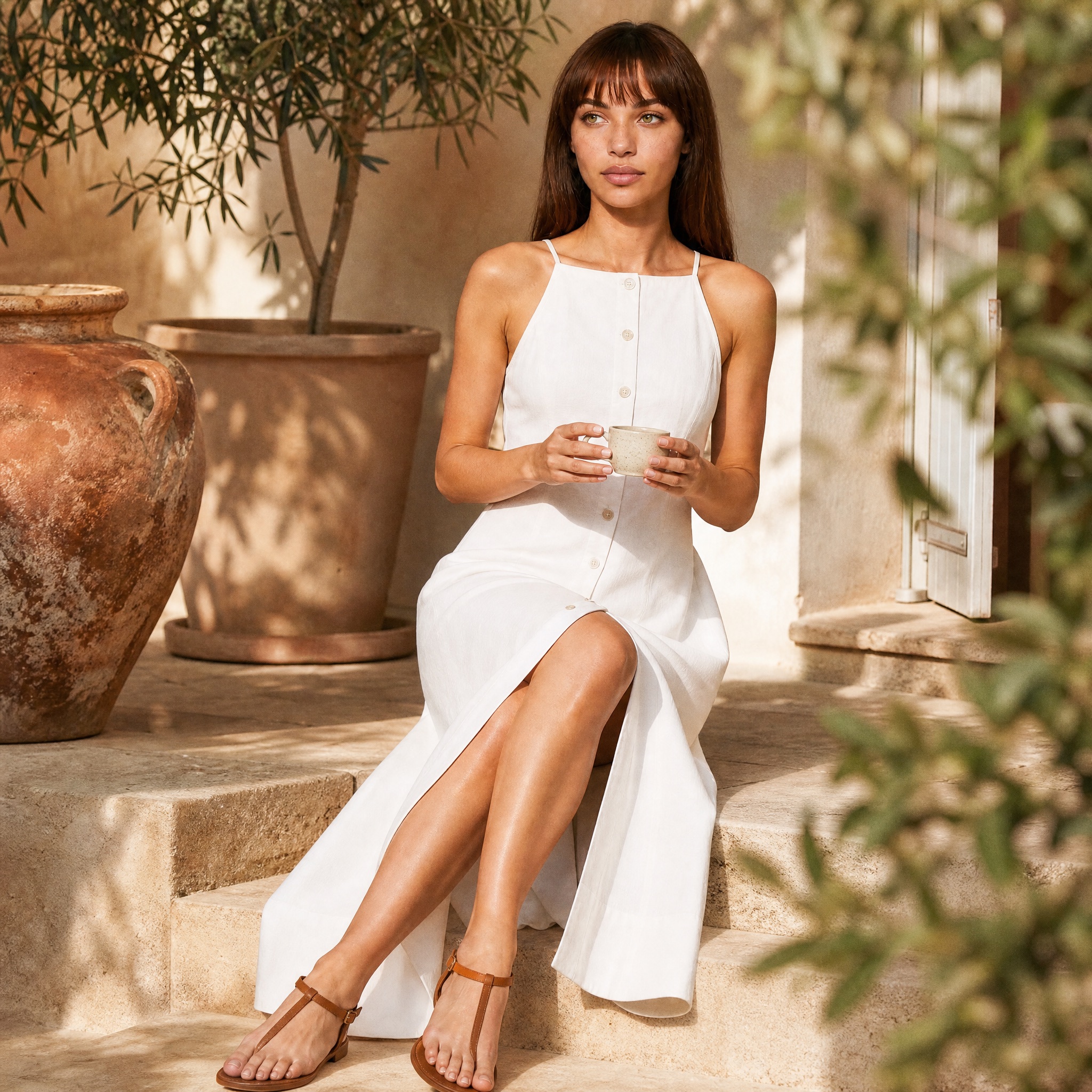
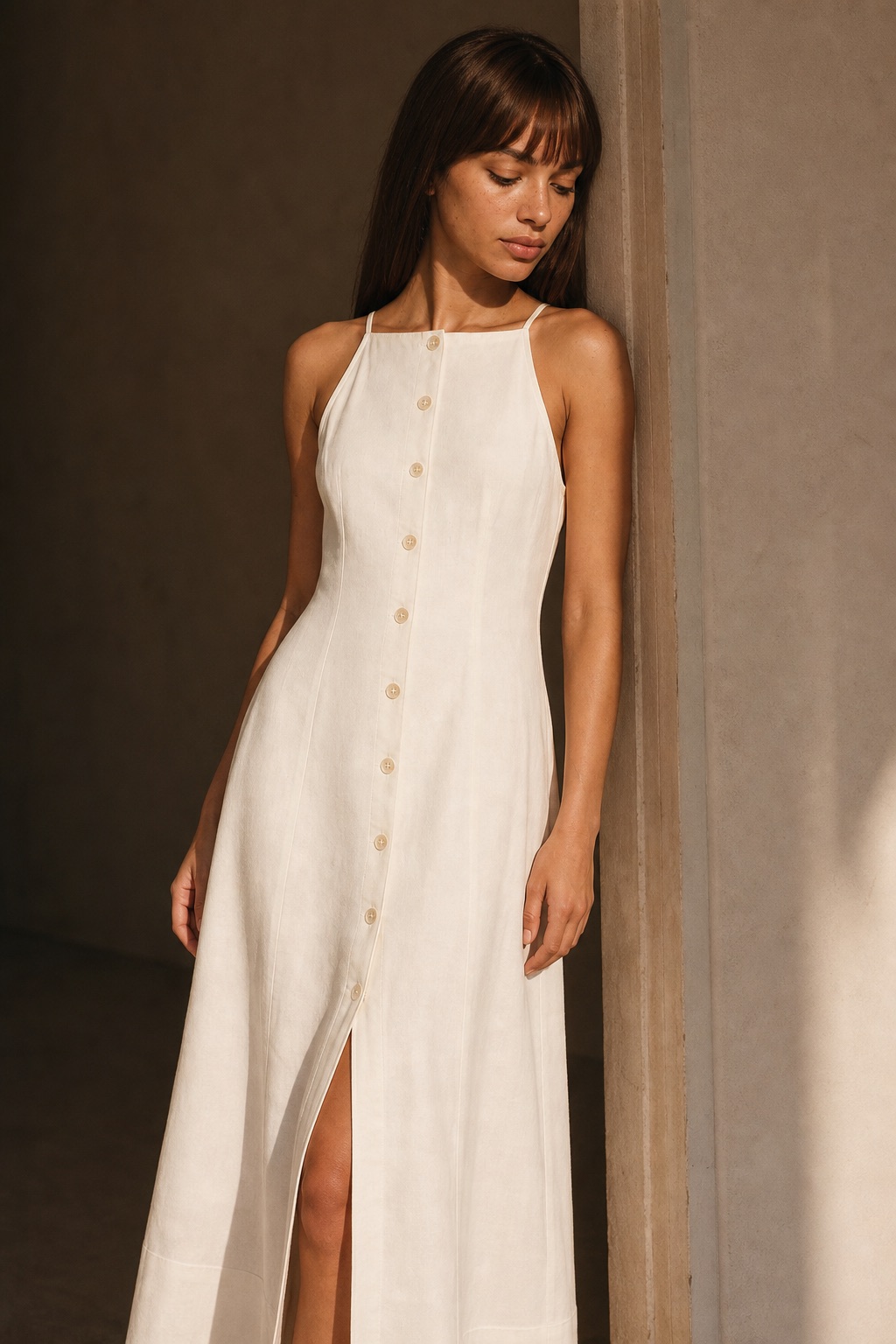
Three-tier economic comparison

The economics resolve into three tiers, and the founder's inbox on the third Tuesday of September holds versions of all three. The named-photographer editorial revival at the Roe Ethridge, Charlotte Wales, Colin Dodgson, Angelo Pennetta, Cass Bird, Craig McDean tier runs $180,000 to $320,000 for two-to-three shoot days — the range Andrew Foxwell has published for DTC editorial campaigns in his March 2026 breakdown of contemporary premium-accessories creative budgets, and consistent with the Business of Fashion Q1 2026 luxury-accessories operator panel. That budget covers eight-to-fourteen usable hero frames plus the wholesale-deck cover. It does not cover the ninety PDP frames, the four-to-nine paid crops per SKU, the Klaviyo pack, or the OOH. Per-frame math lands at $12,800 to $28,400 per usable frame at deck-cover-only scope. Business of Fashion's operator panels through 2026 are consistent: at this tier, seasonal budgets often overshoot the initial quote by 30-45% after reshoots and post overruns.

The volume DTC studio at the Vernon, Long Island City, Hackney, Melrose tier runs $38,000 to $85,000 per drop. It ships 70-160 frames — the founder gets the volume she asked for, at the flat-grey-wall register. This is where the SSENSE Bags editor sends the October email. Per-frame math lands at $270 to $985. Common Thread Collective's Q1 2026 apparel-and-accessories operator panel is unambiguous on the register-drift consequence: contemporary premium brands that ship four-to-six seasons at the volume DTC register carry a 6-9 percent repeat-customer erosion by the fifth season, and the wholesale director sees the placement narrowing at the same time.

The leather-grain-as-spine contract runs $48,000 to $92,000 per drop for the fully-produced season — twelve editorial hero frames plus wholesale-deck cover plus ninety-to-one-hundred-and-forty PDP frames at the five-angle-per-style spec plus four-to-seven paid crops per SKU plus Klaviyo drop-day pack plus OOH pack plus the seasonal re-cast pre-loaded against the same locked roster. Per-frame math lands at $185 to $520. Seven-to-ten week sprint against the line-list lock date. The brand-spine document is the one-time onboarding effort. Every subsequent drop composes against it and lands at the same register the tentpole named-photographer campaign set. That is the economics unlock. The wholesale-deck cover no longer ships from a different register than the campaign hero. The SSENSE Bags editor stops sending the October email.

01

Named-photographer revival · $180k-$320k

Roe Ethridge, Charlotte Wales, Colin Dodgson, Angelo Pennetta, Cass Bird, Craig McDean tier. Two-to-three shoot days, eight-to-fourteen hero frames, wholesale-deck cover only. Sets the tentpole once every 18-36 months. Does not cover PDP, paid, Klaviyo, OOH.

02

Volume DTC studio · $38k-$85k

Vernon, Long Island City, Hackney, Melrose. 70-160 frames at flat-grey-wall register. Wholesale-deck cover reads as generic PDP next to Net-a-Porter Bags editorial archive. Six-to-nine-percent repeat-customer erosion by fifth season per Common Thread Collective.

03

Leather-grain-as-spine · $48k-$92k

Seven-to-ten-week sprint. Twelve editorial hero plus wholesale-deck cover plus 90-140 PDP at five-angle-per-style plus paid, Klaviyo, OOH, seasonal re-cast. Composes against brand spine, not house style. Wholesale-deck cover holds the campaign hero's visual language.

Seven to ten weeks from brief to wholesale-deck live

Week one is the brand-spine document. The leather-grain library is compiled against physical samples from every tannery represented in the drop — Conceria Walpier vegetable-tanned, Tannerie Haas drum-dyed nappa, saffiano cross-hatch at 1.2mm, Wickett & Craig bridle. The hardware-finish sample deck lands at the studio the same week — light-gold-brushed, palladium-plated, brushed-nickel — and every finish is captured against a specular reference at three light angles for the render library. The edge-paint stack is documented at coat count and finish. Casting roster locks at four-to-six named identities. Named-environment register locks at five locations. Named-photographer register locks at three-to-five references. Palette locks against Pantone solid coated. Composition grammar locks at 3x4, 4x5, 1x1, 9x16. The brand-spine document is the working artifact — the exact contract the same one apparel brand identity and campaign system establishes for apparel labels, adapted to leather-goods vocabulary.

Weeks two and three are casting and light-logic lock. The four-to-six model identities move through hand-and-arm posture rehearsal, bag-in-hand grip vocabulary, and drape-in-frame calibration. The lighting logic locks at each of the five named environments — practical bedside-lamp warmth at Silver Lake stucco, cool north-window light at Tribeca loft, south-window afternoon at Paris apartment, high-summer softbox diffusion at Notting Hill terrace, 4300K morning ambient at Ojai linen. The hardware-finish accuracy pass runs against physical samples with the specular curve locked against the physical reading. Any drift over Delta E three sends the pass back.

Weeks four through six are wave one. The editorial hero pack composes first — eight-to-twelve frames, each in one of the five named environments, each with one of the four-to-six locked model identities, each rendering the primary leather class of the hero SKU at the correct tannery signature. The wholesale-deck cover composes second — same casting, same environment, same leather-grain vocabulary, tightened composition against the buyer-portal 3x4 or 4x5 aspect. The lookbook opening spread composes third — three frames that carry the drop's thesis across a two-page reveal.

Weeks seven and eight are wave two — the PDP suite at five-angle-per-style plus the paid-social crop set. Front three-quarter hero for every style. Straight-side profile for every style. Top-down interior with the bag opened and the leather-lining rendering correctly. Back with handle deployed. Hardware-and-edge close-up at 300%. Ninety frames at eighteen styles, before colorway multiplication. The paid-social crop set runs four-to-seven crops per SKU across 1:1, 4:5, and 9:16 for Meta and 9:16 for TikTok. This is the same volume-and-cadence discipline AI lookbook photography establishes for the apparel category, extended to the five-angle-per-style leather-goods contract.

Weeks nine and ten are Klaviyo drop-day pack plus OOH pack plus partner-portal QC. The Klaviyo drop-day pack ships four hero frames at 600px wide plus a mobile-optimized crop. The Meta and TikTok paid pack is delivered against the platform-native crop sheet. The OOH pack for Los Angeles Melrose windows, New York SoHo, London Notting Hill, or Paris Marais lands at named-city window scale. Partner-portal QC runs the wholesale-deck variants against the Net-a-Porter Bags spec sheet, the MATCHESFASHION Handbags brief, the MyTheresa Handbags portal, the Bergdorf Handbag Salon spec, the Nordstrom Designer Bags spec, the Saks Handbag Editorial spec, and the SSENSE Bags spec. Fourteen-day buyer-review window from wholesale-deck delivery to buyer decision.

The named-photographer tentpole stays — everything downstream stops fragmenting

The contract does not replace the named-photographer editorial revival. Roe Ethridge for the SS27 hero campaign at the rooftop Downtown LA stays. That runs on the eighteen-to-thirty-six-month cadence the founder's brand-side calendar has always held. It sets the register. It gets Vogue Business and Purple Magazine and Business of Fashion. It hits the homepage of dot-com. It is the frame the wholesale director sends to the Bergdorf Handbag Salon buyer with the FW26 pitch letter. The tentpole is untouched.

What the contract replaces is the drop-by-drop volume DTC studio work that ships at wrong register two-to-three seasons in a row and erodes the wholesale placement. The wholesale-deck cover that shipped from Vernon and made the SSENSE Bags editor email the wholesale director. The PDP suite that read as flat-grey-wall next to the Net-a-Porter Bags editorial hero. The Klaviyo drop-day frames that fragmented the brand's Instagram grid three drops running. The Meta paid pack that customers saw at a different register than the campaign they saw in Bergdorf. All of that composes against the brand-spine document the leather-grain library seats — and the brand holds across every touchpoint the customer meets the brand at.

This closes the same wrong-shape-problem wholesale lookbook and linesheet imagery closes for the wholesale-deck layer of the apparel category. Different vocabulary at the leather-goods surface — leather grain instead of fabric drape, hardware finish instead of stitch density, edge paint instead of seam finish — but the same production discipline. Brand spine ingested day one. Every downstream frame composed against it. Every wholesale-deck cover holds the same visual language as the campaign hero. Every PDP hero holds the same visual language as the wholesale-deck cover. Every paid crop holds the same visual language as the PDP hero. The buyer at Net-a-Porter Bags sees one brand. The customer on Instagram sees one brand. The Bergdorf Handbag Salon buyer sees one brand. That is the whole point.

This is the anchor page for the practice the founder is being asked to buy. It sits underneath the best AI product photography agency for DTC brands and above the volume-PDP work the drop-day machinery runs on. It is a tier-two document: campaign register, not PDP register, not paid-media-throughput register. The founder ingests it once. The drops after that ingest it automatically.

Frequently asked
questions

What is handbag and leather-goods brand campaign photography?

Handbag and leather-goods brand campaign photography is a specific production discipline for premium handbag and small-leather-goods labels at the Polène, DeMellier, Cuyana, Little Liffner, Wandler, By Far, Métier, Marge Sherwood, Aupen, Strathberry tier — where the campaign hero, the wholesale-deck cover, the lookbook, and the five-angle PDP all read at the leather grain, the hardware finish, and the edge-paint stack rather than at the wordmark. The core mechanic is a leather-grain library indexed to named tannery (Guidi, Conceria Walpier, Tannerie Haas, Tannerie du Puy, Ecopell, Badalassi Carlo), named leather class (full-grain vegetable-tanned, drum-dyed nappa, saffiano, vachetta, Charles F. Stead suede, bridle, embossed lizard-print calf), named hardware finish (light-gold-brushed, palladium-plated, brushed-nickel, gunmetal, aged-brass), and named edge-paint stack (six-to-nine coat edge paint against beeswax or shellac finish) held across every frame in the drop.

How is this different from PDP-scale handbag product photography?

PDP-scale handbag photography optimizes for the five standard angles (front three-quarter hero, straight-side profile, top-down interior, back with handle deployed, hardware and edge-paint close-up at 300%) rendered correctly at product-page scale — the volume mechanic. Handbag campaign photography operates one tier up: the editorial hero pack, the wholesale-deck cover for the Net-a-Porter Bags & Accessories buyer, the MATCHESFASHION Handbags editor, the Bergdorf Handbag Salon featured-designer pack, the MyTheresa Handbags team, the SSENSE Bags editorial team — plus the casting frame locked at named-photographer editorial register (Roe Ethridge, Charlotte Wales, Cass Bird, Colin Dodgson, Angelo Pennetta), plus a leather-grain-as-spine document that carries the brand across every season rather than SKU-by-SKU. The two disciplines feed each other. The leather-grain library from the editorial campaign is what the volume PDP pipeline is calibrated against.

Can AI-produced leather-goods imagery hold at the Vogue Business or Business of Fashion editorial register?

Yes, when produced with editorial discipline. The technical requirement is leather fidelity — grain pattern rendered at the correct tannery signature, drum-dyed nappa versus vegetable-tanned patina discriminated at the surface reflectance level, saffiano cross-hatch at the correct 1.2mm scale, hardware finish rendered at the correct specular curve (palladium reads cooler and flatter than light-gold-brushed), edge paint stack rendered at the correct six-to-nine-coat depth against beeswax finish — and named-photographer register discipline held across the hero pack. We treat the leather-grain accuracy as pass-fail. If the vachetta reads plastic or the saffiano reads printed-on, the frame does not ship. The editorial-register discipline layers on top: locked light logic, named-environment vocabulary, casting frame at editorial posture, finishing at Kodak Portra 400 or Ilford HP5 Plus retouch curve. The result reads at the same tier the Net-a-Porter Bags editorial buyer expects.

What does a premium leather-goods campaign shoot traditionally cost?

A named-photographer editorial revival for a premium leather-goods label at the Roe Ethridge, Charlotte Wales, Colin Dodgson, Angelo Pennetta, Cass Bird tier runs $180,000 to $320,000 for two to three shoot days, before agency fees and post — pricing consistent with the ranges Andrew Foxwell has published on DTC editorial campaign budgets and with the Business of Fashion Q1 2026 luxury-accessories operator panel. That budget covers eight to fourteen usable hero frames plus the wholesale-deck cover; it does not cover the ninety to one-hundred-and-forty PDP frames a leather-goods drop actually needs (eighteen styles at five angles equals ninety frames before colorway multiplication), the four-to-nine paid-social crops per SKU, the Klaviyo refresh, the OOH pack, or the seasonal re-cast. Once you back out reshoots and hardware-finish post-drift, premium leather-goods brands are commonly spending $240k-$420k per fully-produced season.

What does the 100 Creatives leather-goods contract cover?

The leather-goods contract is $48,000 to $92,000 for a fully-produced season: brand-spine document (leather-grain library, tannery vocabulary, hardware-finish lock, edge-paint stack, casting roster, register, palette, composition grammar) as the one-time onboarding effort; eight to twelve editorial hero frames plus wholesale-deck cover; ninety to one-hundred-and-forty PDP frames at the five-angle-per-style spec (front three-quarter hero, straight-side profile, top-down interior, back with handle deployed, hardware-and-edge close-up at 300%); four to seven paid-social crops per SKU; Klaviyo hero pack; OOH pack for named-city window frames; and the seasonal re-cast for the next drop pre-loaded against the same locked roster. Seven to ten weeks against the named-photographer $180k-$320k for two-to-three days. The leather-grain library carries into the volume-PDP pipeline as the accuracy contract that pipeline calibrates against.

How do you handle the wholesale-deck cover for Net-a-Porter Bags, MyTheresa Handbags, Bergdorf?

The wholesale-deck cover for the Net-a-Porter Bags & Accessories buyer, the MATCHESFASHION Handbags editorial team, the MyTheresa Handbags team, the Bergdorf Goodman Handbag Salon, the Neiman Marcus handbag buyer, the Nordstrom Designer Bags edit, the Saks Handbag Editorial team, and the SSENSE Bags editorial team is composed against the same frame as the campaign hero — same casting, same light logic, same leather-grain vocabulary. Named-portal partner spec walks: Net-a-Porter Bags editorial 3x4 plus close-up slot 2 at hardware-and-edge-paint at 300% plus lifestyle slot 3 at Journal register; MATCHESFASHION 4x5 plus one wide plus one interior top-down; MyTheresa 3x4 plus stock-out variant; Bergdorf 3x4 at brand-book register; Nordstrom Designer Bags 4x5 with hardware detail plus lifestyle. The deck ships holding the same visual language the campaign hero holds.

What if we already have a named-photographer editorial from a prior season?

That named-photographer editorial becomes the register lock. We rebuild the brand-spine document from that campaign's frame set — light logic, leather-grain vocabulary, casting frame, styling register, finishing curve, edge-paint stack — and every subsequent drop composes against that document. The named-photographer campaign runs once every eighteen to thirty-six months at the $180k-$320k tier and produces the tentpole. The 100 Creatives contract runs against that tentpole every drop in between at $48k-$92k, holding the register the tentpole set. This is the pattern we run for brands already established with a Roe Ethridge or Charlotte Wales editorial — the tentpole holds, the drop-by-drop holds against it, and the wholesale buyer sees the same brand across every season.

Which handbag brands and reference tiers does the contract map against?

The premium leather-goods campaign contract maps against the Polène, DeMellier, Cuyana, Little Liffner, Wandler, By Far, Métier, Marge Sherwood, Aupen, Strathberry, Mansur Gavriel, Khaite bags, Rag & Bone leather-goods, S.Joon, Savette adjacency tier at the contemporary-editorial-premium end. Tannery tier maps against Conceria Walpier, Badalassi Carlo, Tannerie Haas, Tannerie du Puy, Guidi, Charles F. Stead, Ecopell, and Wickett & Craig for bridle. Retail tier maps against Net-a-Porter Bags & Accessories, MATCHESFASHION Handbags, MyTheresa Handbags, Bergdorf Handbag Salon, Neiman Marcus Handbags, Nordstrom Designer Bags, Saks Handbag Editorial, and SSENSE Bags. The contract does not map against the Louis Vuitton, Hermès, Chanel, Dior, Fendi, Bottega Veneta, Loewe, Celine wordmark-heritage-luxury-house register — that lives in a house-brand-controlled maison-atelier pipeline. It also does not map against the volume mall-tier handbag register (Michael Kors, Kate Spade New York volume, Coach volume) where the wordmark is the primary buying signal.

What is the sprint from brief to wholesale-deck-live?

Seven to ten weeks against the brand's line-list lock date. Week one is the brand-spine document — leather-grain library indexed to tannery and to leather class, hardware-finish lock, edge-paint stack, casting roster lock at four to six named model identities, named-environment register, palette, styling vocabulary. Weeks two to three are casting and light-logic lock plus hardware-finish accuracy pass against physical samples. Weeks four to six are wave one — editorial hero pack plus wholesale-deck cover plus lookbook opening spread. Weeks seven to eight are wave two — PDP suite at five-angle-per-style plus paid-social crop set. Weeks nine to ten are Klaviyo refresh plus OOH pack plus partner-portal QC against the Net-a-Porter, MATCHESFASHION, MyTheresa, Bergdorf, Nordstrom, Saks, SSENSE spec sheets. The sprint holds against a fourteen-day buyer-review window for the wholesale deck.

Do you protect against the flat-grey-wall volume DTC studio look?

Yes — that is the primary discipline the contract exists to enforce. Volume DTC studios read premium leather-goods as another category to run through the house-style flat-grey-wall composition, and the wholesale-deck cover ships looking like a Shopify product page next to the Net-a-Porter Bags editorial archive. The premium leather-goods contract composes against the brand-spine document, not against the house style. Every frame is checked against the leather-grain library, the casting roster, the named-environment register, the finishing curve, and the hardware-finish accuracy pass. If a frame reads like a generic bag PDP rather than like the brand's editorial voice, it does not ship. The failure mode is documented in Common Thread Collective's DTC creative benchmark data and covered in our post-failed-AI-vendor-recovery playbook.

Ready for handbag
and leather-goods
campaign photography that reads at the leather grain?

Brand-spine document, editorial hero pack, wholesale-deck cover, five-angle PDP suite, paid-social pack, Klaviyo drop-day pack, OOH pack. Seven to ten weeks from brief to buyer-review-window-live.